

Sides
Pickled red onions, the quick refrigerator version
Of all homemade preserves, red onion is the simplest and fastest: no gelling, no thermometer, a quarter of an hour of work and half an hour of waiting. This is the quick refrigerator version, the one that stays crisp and does not need pasteurization, because the acidity of the liquid and the cold are enough to keep it safe.

Method
- Lava due vasetti da 250 ml con chiusura ermetica e i loro coperchi in acqua bollente, poi lasciali asciugare capovolti su un canovaccio pulito. Per la versione da frigorifero non serve sterilizzarli: bastano l'acidità del liquido e il freddo.
- Sbuccia le cipolle, tagliale a metà e affettale a 2-3 mm ricavando mezze lune dal lato piatto. Con la mandolina vai più sicuro: fette dello stesso spessore marinano insieme.
- Metti le fette in uno scolapasta, versaci sopra acqua bollente e conta fino a dieci. Sciacqua subito con acqua fredda e lascia scolare bene: dieci secondi tolgono la pungenza solforata senza cuocere la cipolla.
- Tosta i semi di coriandolo trenta secondi in un pentolino a secco, finché non li senti profumare, e mettili da parte.
- Porta a bollore aceto, acqua, zucchero e sale in un pentolino, mescolando finché zucchero e sale sono sciolti, e fai sobbollire due minuti.
- Distribuisci le cipolle nei vasetti insieme al pepe in grani, all'alloro, al coriandolo tostato e, se lo usi, all'aneto. Comprimi ma non stipare: il liquido deve scorrere fra le fette.
- Versa il liquido bollente fino a coprire completamente le cipolle, fermandoti mezzo centimetro sotto il bordo. Batti leggermente i vasetti sul piano per far salire le bolle d'aria.
- Lascia raffreddare con il coperchio solo appoggiato, poi chiudi e metti in frigorifero. Il liquido rimasto nel pentolino buttalo: è già diluito e non si riusa.
- Dopo trenta minuti controlla il colore: se le fette sono rosa fino al centro l'acido è arrivato ovunque e puoi mangiarle. Se il cuore è ancora biancastro dai loro qualche ora. Danno il meglio fra il secondo e il quinto giorno.
Minnelea products for this recipe
The preserves used in this recipe.
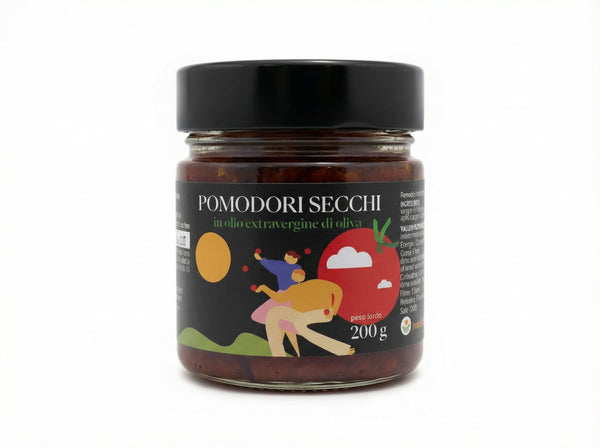
Minnelea
Artisan Sun-Dried Tomatoes in EVOO – Gourmet Antipasto
€7,90
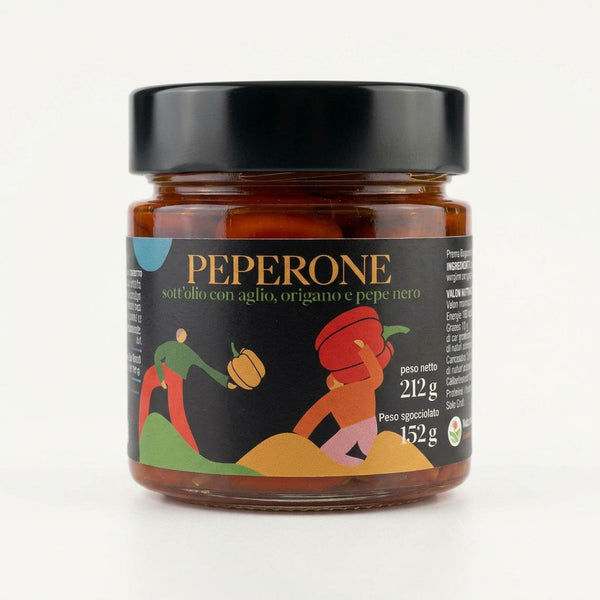
Minnelea
Artisan Peppers in EVOO – Mediterranean Antipasto
€7,90

Minnelea
Aperitivo Kit – 4 Antipasti in Olive Oil
€27,90
• Two different things carry the same name: the quick refrigerator pickle, ready in half an hour, crisp and without pasteurization, and the true pantry preserve, with more vinegar and more sugar, which is pasteurized and loses texture in exchange. This recipe is the first; the second, with quantities and times, is further down among the variations.
• Proportions matter more than anything else: 1 part vinegar and 1 part water is the refrigerator ratio, 2 parts vinegar and 1 part water is the pantry ratio. With 5% vinegar, the 2:1 ratio brings the liquid to around 3,3% acidity, well below pH 4,0, which is the threshold that matters for the safety of a jar stored outside the refrigerator. Do not dilute further.
• Sugar 15-25 g for every 300 ml, salt 8-12 g for every 300 ml, about two teaspoons. Sugar here is flavor and not a preservative: it softens the edge of the vinegar. Use fine sea salt, without iodine or anti-caking agents, which cloud the liquid. For 500 g sliced onion, you need about 300 ml liquid.
• Vinegar changes the color before the flavor. White alcohol vinegar (5-6%): neutral, the sharpest, gives the clearest pink because it adds no color of its own, and is the safest choice for preserves. Apple cider vinegar (5-6%): rounder and fruitier, with a golden base that makes the pink warmer, best for the refrigerator version. Red wine vinegar (6-7%): shifts the color to dark ruby and brings a winey note, excellent if the onions will sit next to meat or aged cheese. Leave balsamic alone as a base; it gives a muddy, syrupy brown. Always check acidity on the label: below 5%, preserves are not made.
• Slice thickness is the only variable you cannot fix later. Under 1 mm, slices are ready immediately but after three days become soft; at 2-3 mm, acid reaches the center in half an hour and crispness holds for weeks; above 5 mm, the heart still tastes of raw onion, and is suitable only for the pasteurized version, where heat reaches the center anyway. The mandoline here is not a flourish but precision: even slices marinate together, uneven slices give soft pieces and raw pieces in the same jar. With a knife, cut the onion in half and make half-moons from the flat side, more regular than rings.
• The boiling-water trick is worth ten seconds, not thirty. The volatile sulfur compounds of raw onion leave with the water and the first cell layers give just enough to absorb the acid, while the lower walls remain rigid. Counting to thirty really cooks the onion and the crispness disappears.
• Spices: always black pepper and whole peppercorns, because ground pepper clouds the liquid; just one bay leaf per 250 ml jar, because with two all you taste is bay; coriander seeds are red onion’s best companion, citrusy and lightly sweet, and toasting them dry for thirty seconds changes the result. Dill moves the taste toward fish, mustard seeds give the sweet-and-sour tone. Garlic, star anise and chili should be used with restraint: one small piece of anise for the whole batch, half a chili per jar. Garlic in acid can turn blue-green, harmless but strange to see.
• They turn bright pink because of anthocyanins, the same pigments as red cabbage: molecules that change shape with pH, violet-blue in a neutral environment and almost fuchsia pink in an acidic one. The shift moves from the outside toward the center in ten to twenty minutes, so color is also a useful indicator: if the heart of the slice is still whitish, the acid has not reached it yet.
• Throw away the liquid left in the small pot: a brine already used is diluted by the juice released from the onion, and that lost acidity cannot be recovered. What remains in the jar, however, can be used: one part liquid and three parts extra virgin olive oil make a vinaigrette.
• Storage: the refrigerator version keeps safely for 2-3 weeks but is at its best in the first, and is already edible after 30 minutes, good after 24 hours, at the right point between the second and fifth day. The closed pasteurized version keeps 8-12 months in a cool, dark place, because light fades the pink toward dull brown; once opened, it goes in the refrigerator and is consumed within three weeks, with the onions always submerged and a clean spoon every time. Discard if the lid is swollen, if the liquid is cloudy with bubbles, if you smell fermentation or if you see mold: cloudiness due to spices is harmless; the signal is bubbles.
• Allergens: none in the basic ingredients. If you use the mustard seeds in the pasteurized variation, mustard is among the allergens to declare, so write it on the label if you gift the jars.
• Variations, the pasteurized pantry preserve, for 4 jars of 250 ml: 1 kg red onions sliced 3-4 mm, 400 ml white vinegar at 5%, 200 ml water, 150 g sugar, 20 g salt, 2 bay leaves, 1 teaspoon mustard seeds, 1 teaspoon coriander seeds and 10 black peppercorns. Sterilize the jars and keep them warm, ten minutes in boiling water or a quarter of an hour in the oven at 120 °C, with new lids or seals. Bring vinegar, water, sugar, salt and spices to a boil, add the onions and boil them two minutes until they reduce in volume, transfer them to the warm jars, cover with the boiling liquid to 1 cm from the rim, remove air bubbles, clean the rim, close and pasteurize 15 minutes in boiling water that covers the lids by at least 2 cm. Leave them still for 24 hours, then check every lid: it must be concave and must not click; if it clicks, that jar goes in the refrigerator. Wait two weeks before opening the first, the time for the flavor to distribute and the acid to round out. The result resembles sweet-and-sour onions, sweeter and less sharp, and softer: pasteurizing is cooking.
• How to use them: in a sandwich with pulled meat, meatballs, burgers or falafel, where the acid cuts the fat and the color does the rest; on a board next to aged cheeses, cured meats and vegetables in oil, but in a small separate bowl, because on wood the liquid stains everything pink; in salads with goat cheese and beetroot, among lentils or in a potato salad; on sliced steak, with smoked mackerel or on tacos.
A Minnelea recipe built around Sun-Dried Tomatoes in Oil and Peppers in Oil: we do not produce pickled onions and we say so openly, because a quarter of an hour, three onions and a bottle of vinegar are enough, and it makes no sense to put a price on something like that. What we make belongs to the other half of the same tradition: not in vinegar but in oil, vegetables cooked under vacuum at low temperature in extra virgin olive oil, with a short ingredient list and no preservatives or colorings. On a board, the two seek each other out: pickle breaks the fat, oil preserves the flavor.
• Proportions matter more than anything else: 1 part vinegar and 1 part water is the refrigerator ratio, 2 parts vinegar and 1 part water is the pantry ratio. With 5% vinegar, the 2:1 ratio brings the liquid to around 3,3% acidity, well below pH 4,0, which is the threshold that matters for the safety of a jar stored outside the refrigerator. Do not dilute further.
• Sugar 15-25 g for every 300 ml, salt 8-12 g for every 300 ml, about two teaspoons. Sugar here is flavor and not a preservative: it softens the edge of the vinegar. Use fine sea salt, without iodine or anti-caking agents, which cloud the liquid. For 500 g sliced onion, you need about 300 ml liquid.
• Vinegar changes the color before the flavor. White alcohol vinegar (5-6%): neutral, the sharpest, gives the clearest pink because it adds no color of its own, and is the safest choice for preserves. Apple cider vinegar (5-6%): rounder and fruitier, with a golden base that makes the pink warmer, best for the refrigerator version. Red wine vinegar (6-7%): shifts the color to dark ruby and brings a winey note, excellent if the onions will sit next to meat or aged cheese. Leave balsamic alone as a base; it gives a muddy, syrupy brown. Always check acidity on the label: below 5%, preserves are not made.
• Slice thickness is the only variable you cannot fix later. Under 1 mm, slices are ready immediately but after three days become soft; at 2-3 mm, acid reaches the center in half an hour and crispness holds for weeks; above 5 mm, the heart still tastes of raw onion, and is suitable only for the pasteurized version, where heat reaches the center anyway. The mandoline here is not a flourish but precision: even slices marinate together, uneven slices give soft pieces and raw pieces in the same jar. With a knife, cut the onion in half and make half-moons from the flat side, more regular than rings.
• The boiling-water trick is worth ten seconds, not thirty. The volatile sulfur compounds of raw onion leave with the water and the first cell layers give just enough to absorb the acid, while the lower walls remain rigid. Counting to thirty really cooks the onion and the crispness disappears.
• Spices: always black pepper and whole peppercorns, because ground pepper clouds the liquid; just one bay leaf per 250 ml jar, because with two all you taste is bay; coriander seeds are red onion’s best companion, citrusy and lightly sweet, and toasting them dry for thirty seconds changes the result. Dill moves the taste toward fish, mustard seeds give the sweet-and-sour tone. Garlic, star anise and chili should be used with restraint: one small piece of anise for the whole batch, half a chili per jar. Garlic in acid can turn blue-green, harmless but strange to see.
• They turn bright pink because of anthocyanins, the same pigments as red cabbage: molecules that change shape with pH, violet-blue in a neutral environment and almost fuchsia pink in an acidic one. The shift moves from the outside toward the center in ten to twenty minutes, so color is also a useful indicator: if the heart of the slice is still whitish, the acid has not reached it yet.
• Throw away the liquid left in the small pot: a brine already used is diluted by the juice released from the onion, and that lost acidity cannot be recovered. What remains in the jar, however, can be used: one part liquid and three parts extra virgin olive oil make a vinaigrette.
• Storage: the refrigerator version keeps safely for 2-3 weeks but is at its best in the first, and is already edible after 30 minutes, good after 24 hours, at the right point between the second and fifth day. The closed pasteurized version keeps 8-12 months in a cool, dark place, because light fades the pink toward dull brown; once opened, it goes in the refrigerator and is consumed within three weeks, with the onions always submerged and a clean spoon every time. Discard if the lid is swollen, if the liquid is cloudy with bubbles, if you smell fermentation or if you see mold: cloudiness due to spices is harmless; the signal is bubbles.
• Allergens: none in the basic ingredients. If you use the mustard seeds in the pasteurized variation, mustard is among the allergens to declare, so write it on the label if you gift the jars.
• Variations, the pasteurized pantry preserve, for 4 jars of 250 ml: 1 kg red onions sliced 3-4 mm, 400 ml white vinegar at 5%, 200 ml water, 150 g sugar, 20 g salt, 2 bay leaves, 1 teaspoon mustard seeds, 1 teaspoon coriander seeds and 10 black peppercorns. Sterilize the jars and keep them warm, ten minutes in boiling water or a quarter of an hour in the oven at 120 °C, with new lids or seals. Bring vinegar, water, sugar, salt and spices to a boil, add the onions and boil them two minutes until they reduce in volume, transfer them to the warm jars, cover with the boiling liquid to 1 cm from the rim, remove air bubbles, clean the rim, close and pasteurize 15 minutes in boiling water that covers the lids by at least 2 cm. Leave them still for 24 hours, then check every lid: it must be concave and must not click; if it clicks, that jar goes in the refrigerator. Wait two weeks before opening the first, the time for the flavor to distribute and the acid to round out. The result resembles sweet-and-sour onions, sweeter and less sharp, and softer: pasteurizing is cooking.
• How to use them: in a sandwich with pulled meat, meatballs, burgers or falafel, where the acid cuts the fat and the color does the rest; on a board next to aged cheeses, cured meats and vegetables in oil, but in a small separate bowl, because on wood the liquid stains everything pink; in salads with goat cheese and beetroot, among lentils or in a potato salad; on sliced steak, with smoked mackerel or on tacos.
A Minnelea recipe built around Sun-Dried Tomatoes in Oil and Peppers in Oil: we do not produce pickled onions and we say so openly, because a quarter of an hour, three onions and a bottle of vinegar are enough, and it makes no sense to put a price on something like that. What we make belongs to the other half of the same tradition: not in vinegar but in oil, vegetables cooked under vacuum at low temperature in extra virgin olive oil, with a short ingredient list and no preservatives or colorings. On a board, the two seek each other out: pickle breaks the fat, oil preserves the flavor.