
Vegan preserves: what to choose and what to avoid in your pantry
Most Italian preserves are naturally vegan: oil-preserved vegetables, pickles, jams, vegetable sauces. But "naturally vegan" does not mean "automatically safe for vegans". Some label details can turn a vegetarian preserve into a non-vegan one without you noticing.
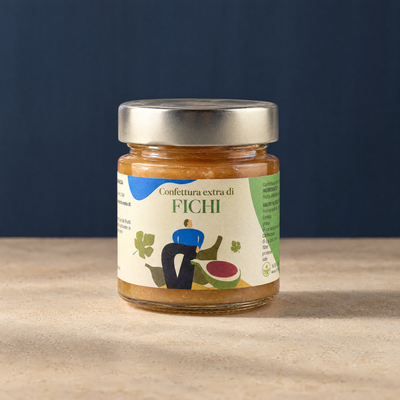
 | From our selection Fig JamHandmade, no preservatives. € 7,90 Discover → |
Here is the practical map of what to choose and what to avoid.
What is always vegan (with minimal checking)
Basic vegetable oil preserves
Most traditional Italian oil preserves contain only: vegetable + oil + salt + vinegar + vegetable aromatics (garlic, chilli, oregano).
Always vegan oil preserves:
- Peppers in oil
- Aubergines in oil
- Sundried tomatoes in oil
- Artichokes in oil (plain version)
- Courgettes in oil
- Mushrooms in oil (classic version)
- Olives in oil (excluding stuffed ones)
Jams and marmalades
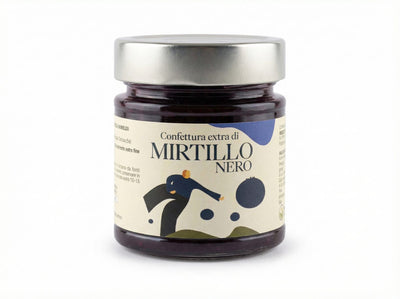
Fruit jam produced according to EU Regulation 2001/113 is generally vegan. Typical ingredients: fruit + sugar + (optionally) lemon juice + vegetable pectin.
Vegetable sauces and pâtés
- Simple tomato sauce
- Artichoke pâté (vegetarian version)
- Vegan pesto (basil without cheese, stated)
- Olive tapenade
- Hummus in a jar

What to always check on the label
1. "Hidden" animal-derived ingredients
Some oil preserves add non-vegan ingredients that can go unnoticed:
- Anchovy (in some artichoke pâtés, gourmet mushroom preserves, puttanesca sauces)
- Tuna paste (in stuffed artichokes, stuffed peppers)
- Butter or cream (in some "rich" vegetable pâtés)
- Parmesan or Pecorino (in traditional pestos)
- Lard (rare but present in some meat preserves, never in pure oil preserves)
- Honey (in some jams or jellies — debated but most vegans avoid it)
2. Animal-derived colourings
- E120 (cochineal / carminic acid) — red colouring derived from insects. Found in some red-fruit jams and industrial jellies.
- E901 (beeswax) — coating on some sweets and jams.
3. Gelling agents
- ✅ Vegan: pectin (E440), agar-agar (E406), carrageenan (E407)
- ❌ Not vegan: gelatine (E441) — of animal origin (collagen)
In Italy, animal gelatine is rare in jams (vegetable pectin dominates), but it can appear in industrial sweet products, fruit mousses, and some mustards.
What to avoid with caution
"Rustic" pâtés and spreadable creams
The word "rustic" in some artichoke or mushroom pâtés can indicate a traditional recipe with anchovy. Always check the ingredient list.
Ready-made pestos in jars
Traditional Genoese pesto contains Parmesan and Pecorino — not vegan. Vegan versions exist (labelled "vegan pesto" or "cheese-free pesto") but are a minority. Always check.
Stuffed oil preserves
Stuffed artichokes, peppers, and olives often contain tuna, anchovy, or cheese. Vegan versions exist but are clearly labelled. For stuffed products, ALWAYS read the label.
Premium jams and industrial citrus marmalades
Some premium brands add butter, cream, or liqueurs (some liqueurs contain animal-derived ingredients in the fining process). Check the full ingredient list.
What to actively look for
Explicit vegan certifications
- V-Label (European green label) — recognised European vegan/vegetarian certification
- Vegan Society (UK) — international certification
- Marchio Vegan (Italian AssoVegan)
A certification is the highest guarantee — a third-party audit has verified the entire supply chain, including cross-contamination.
Declaration "100% plant-based" or "vegan"
In the absence of formal certification, an explicit declaration on the label is a positive sign that the producer is consciously addressing a vegan audience.
Pairing ideas for a vegan pantry
100% plant-based board
- Peppers in oil + aubergines in oil + artichokes in oil
- Sundried tomatoes in oil
- Olives in oil (mixed black and green)
- Wholegrain crackers, taralli, breadsticks
- Hummus or chickpea cream
- Dried fruit: walnuts, almonds, hazelnuts
Vegan breakfast
- Wholegrain or toasted bread
- Artisan jam (e.g. Dottato figs, Sfusato lemons)
- Fresh seasonal fruit
- Plant-based drink (oat, soy, almond)
Quick first course
- Boiled pasta
- Sundried tomatoes in oil (with their oil)
- Sliced black olives
- Capers
- Toasted breadcrumbs (instead of cheese)
Frequently asked questions
Are all Italian jams vegan?
The vast majority are. Exceptions: jams with declared honey, industrial jams with animal colourings (E120), and premium jams with butter, cream, or liqueurs. Always check the label.
What does V-Label mean?
It is a European vegetarian/vegan certification, issued after a third-party audit of the entire production chain. The "vegan" version guarantees the absence of animal ingredients and of significant cross-contamination.
Are oil preserves with vinegar always vegan?
Common vinegar (wine, apple, standard balsamic) is vegan. Exception: some "traditional" balsamic vinegars may pass through gelatine or egg-white filters during clarification — a rare but real case.
Is honey vegan?
It is a debated topic. Most vegans avoid it because it is produced by animals (bees). Jams or jellies containing honey are not considered vegan.
Is refined sugar vegan?
In Italy, yes — the refining process does not use animal-derived charcoal (unlike in some other countries). In the USA, "bone char" is often used — an important detail if you buy products from overseas.
Can I trust a "100% plant-based" label without certification?
It is a good sign of the producer's intent, but it does not replace a formal certification. For those who are vegan for strict ethical reasons, V-Label or Vegan Society certification is the most reliable reference.
Sources
EU Regulation 1169/2011 on food labelling
V-Label.com — European vegan/vegetarian certification
EU Regulation 2001/113 on jams and marmalades
Related articles
Peppers in oil: how to choose them
Oil-preserve labels: what to check
Explore
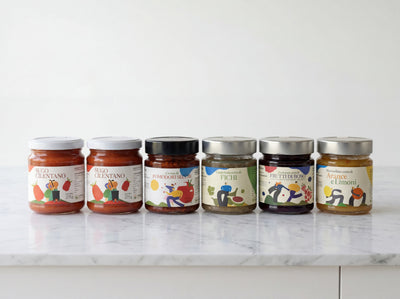
Our oil preserves — all vegan unless specific variants are declared
Our jams — only fruit, sugar and lemon juice