
Italian Gift Basket: How to Spot the Real Thing — A Buying Guide
The market for “Italian gift baskets” has an open secret: a large share of the goods are industrial foods tied up with a tricolour ribbon—sauces bottled in Germany, discount pasta in a wicker hamper, “antipasti” floating in sunflower oil. If you want to give a truly Italian basket, you need five quick checks and three minutes. Here they are.
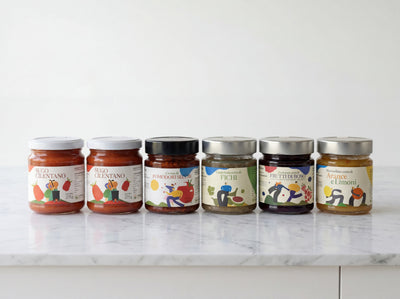
 | From our selection Welcome Kit (6 jars)Handmade, no preservatives. € 34,90 Discover → |
The 5 Authenticity Criteria
1. Producers have names. Real products state who made them and where—region, town, workshop. If the label only lists a German distributor’s address and a fantasy brand, be sceptical.
2. Ingredient lists you can read aloud. Turn a jar upside-down. Confettura = fruit, sugar, lemon juice. Sott’olio = vegetables, olive oil, vinegar, salt. If the list reads like a chemistry protocol (glucose-fructose syrup, flavouring, preservative E 202), industry is in the basket.
3. Olive oil, not sunflower oil. The single most reliable tell-tale for pickled vegetables—sunflower oil is the universal cost-cutting signal.
4. Curation, not filler. Authentic baskets tell a story (a region, a theme); industrial ones bulk up volume with twin packs of grissini and mini espresso sachets. Rule of thumb: every product should be gift-worthy on its own.
5. An honest price per item. A €40 basket with twelve items simply cannot contain artisan food—the maths forbids it. Six outstanding jars beat twelve anonymous ones every time.
Which Basket for Which Occasion
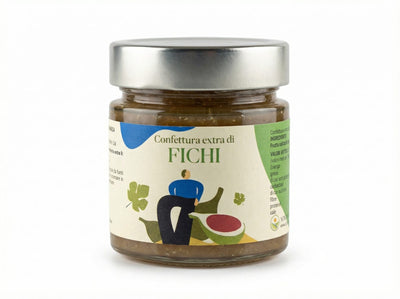
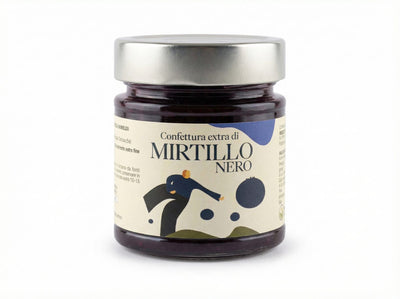
- Small thank-you / hostess gift: 6 jars—our Kit Benvenuto is exactly this format, a tasting flight of confettura.
- Birthday, dinner-party gift: 8–12 jars, sweet and savoury mixed—the Kit Gran Riserva covers breakfast to pasta night.
- The grand gesture (Christmas, anniversary, corporate client): the Kit Regalo Premium with 18 jars—a complete Italian pantry in one swoop.
We don’t do cellophane-wrapped wicker: our jars arrive as a curated set—if you love the basket look, assemble it yourself in five minutes (instructions here) and spend the packaging margin on what’s inside.
Typical Industry Tricks (and How to Spot Them)
- The flag trick: lots of green-white-red, little provenance. Italian décor does not equal Italian production.
- The anchor item: one branded product (often a famous pasta) lends credibility to ten no-names around it.
- XXL volume: huge basket, plenty of wood wool, not much food—volume hides content.
- “Antipasti mix” with no details: umbrella terms instead of specific products with ingredient lists.
Frequently Asked Questions
How long does a gift basket of preserves keep? Unopened jars last many months—so you can buy weeks ahead. Only fresh items (whole cheeses, salumi) need precise timing.
Buy online or in store? Buying online direct from the producer has two advantages: the margin stays with the maker instead of the middleman, and you can check ingredient lists in advance. A good local delicatessen is an equal alternative—the supermarket seasonal basket rarely is.
What if the recipient has dietary restrictions? Sets of individual jars are more flexible than sealed hampers: a vegetarian, gluten-free or alcohol-free selection is easy to compose from confettura and sott’oli—the Italian jar kitchen is largely plant-based by nature.