
Jam or marmalade? The difference that (almost) no one knows
Jam or jam? The difference that (almost) no one knows
Jam and jam are used as synonyms in common language, but from a regulatory and gastronomic point of view they are two distinct things. Understanding the difference helps you read labels better and make more informed purchases.
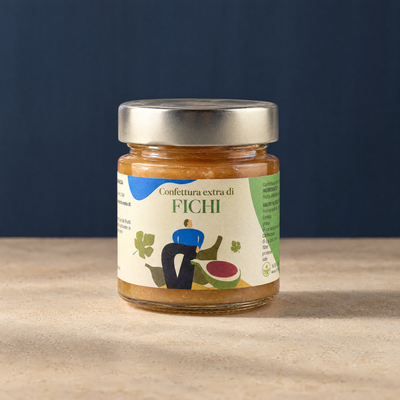
 | From our selection Fig JamHandmade, no preservatives. € 7,90 Discover → |
What the law says: European Directive 2001/113/EC, as amended by Directive (EU) 2024/1438
The reference legislation is the European Directive 2001/113/EC, implemented in Italy by Legislative Decree 50/2004 and amended by Directive (EU) 2024/1438, which applies from 14 June 2026. Establishes precise definitions for each fruit product category.
What's new: the thresholds have changed. The 2024 revision raises the minimum fruit content of jams and extra jams and introduces the mandatory indication of the country of origin of the fruit on the label. It is a recent update, and most content in circulation still quotes the previous thresholds. The figures below are the ones that apply from 14 June 2026.
Jam: product obtained from the pulp and/or puree of any fruit, sugar and water. It must contain at least 450 g/kg (45%) fruit on the finished product. The extra jam requires 500 g/kg (50%) fruit and cannot use puree.
Jam: reserved exclusively for products obtained from citrus fruits (orange, lemon, grapefruit, mandarin, clementine, cedar, bergamot and hybrids). It must contain at least 200 g/kg (20%) citrus fruit in the finished product: a threshold left unchanged by the 2024 revision.
The key point: only citrus fruits make jam
Fig jam is a jam, not a jam. Strawberry jam is a jam. Only orange, lemon or other citrus fruit can legally be called jam. Yet in Italy the term is commonly used for any sweet product based on fruit cooked with sugar - a deep-rooted habit, tolerated in everyday language but not in commercial labels.
Extra jam: what changes compared to the standard jam
- Standard jam: at least 450 g/kg (45%) fruit (or puree); allows the use of concentrated puree
- Extra jam: at least 500 g/kg (50%) whole or chopped fruit (not puree)
The wording "extra" guarantees a greater presence of fruit and a processing closer to the whole raw material.
Gelatine, compote, curd: the other categories
- Fruit jelly: product obtained from the filtered juice (without pulp) of fruit and sugar. Translucent and free of fruit pieces
- Compote: produced with whole or very large pieces of fruit, generally less cooked and less sweet than jam
- Curd: cream made with citrus juice, eggs, butter and sugar; of British origin
- Chutney: sweet and sour condiment of Indian origin based on fruit, vinegar, sugar and spices
Conclusion
Jam and jam are not synonymous: jam is reserved for citrus fruits, jam is valid for all other fruits. Knowing the difference allows you to read labels with greater awareness and appreciate the care that artisan producers take in respecting the legislation, updated thresholds included.