
Confetture senza pectina aggiunta e alta percentuale di frutta: la differenza si sente
Una confettura senza pectina aggiunta si addensa solo con la frutta e la cottura: niente gelificanti in polvere, niente scorciatoie. Il risultato è una consistenza morbida e un sapore che è quello della frutta, non del gel che la tiene insieme. Ecco cosa cambia davvero — e perché vale la pena girare il vasetto e leggere l'etichetta.
 |
Dal nostro assortimento
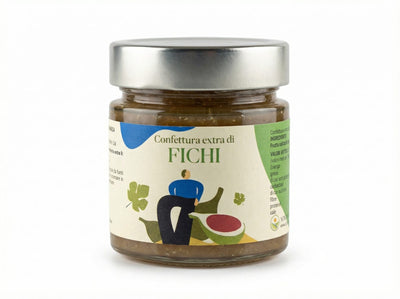
Confettura di FichiArtigianale, senza conservanti.
€ 7,90
Scopri →
|

Cos'è la pectina e perché è ovunque
La pectina è una fibra naturalmente presente nella frutta, soprattutto in mele e agrumi. Di per sé non è un difetto: è il modo in cui viene usata a fare la differenza. Nell'industria si aggiunge pectina in polvere per far rapprendere il prodotto in pochi minuti: meno frutta, meno cottura, tempi di produzione ridotti, consistenza sempre identica. È il motivo per cui tante confetture — anche di marchi che si presentano come artigianali — hanno la stessa texture compatta e gelatinosa, e un sapore che somiglia più alla caramella che al frutto.
Qui sta il punto scomodo: se una confettura "artigianale" ha in etichetta la pectina aggiunta e una lista ingredienti da manuale industriale, che cosa ha di artigianale, oltre al prezzo?
Come si addensa una confettura senza pectina aggiunta
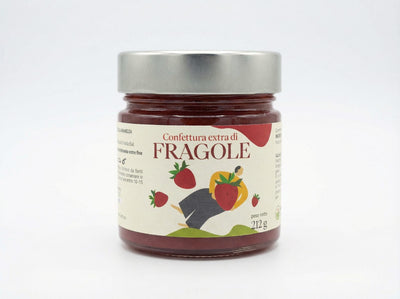
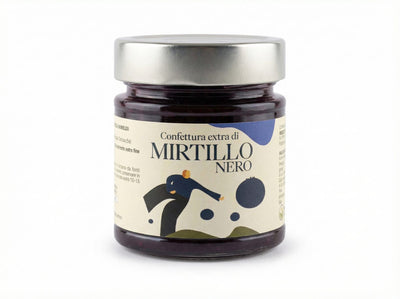
Nel modo più antico che c'è: con più frutta e con il tempo. La cottura lenta in piccoli lotti fa evaporare l'acqua e concentra gli zuccheri naturali e la pectina già contenuta nella frutta, finché il composto lega da sé. Richiede più materia prima, più ore e più attenzione — la frutta non è mai uguale da un raccolto all'altro, e chi cuoce deve saperlo sentire. È il metodo che usiamo per tutte le confetture e marmellate Minnelea: frutta italiana, zucchero, cottura lenta. Nient'altro.
Chi ha una celiachia in casa deve guardare un'altra riga dell'etichetta: ecco che cosa controllare in una confettura senza glutine.

La differenza nel vasetto
- Consistenza: morbida, spalmabile, con pezzi di frutta riconoscibili — non un gel compatto che si taglia col cucchiaino.
- Sapore: più frutta nel vasetto significa che il gusto dominante è il frutto, non lo zucchero gelificato.
- Colore e naturale variabilità: ogni lotto può variare leggermente, perché la frutta varia. È un segno di autenticità, non un difetto.
- Etichetta: corta. Frutta e zucchero. Se leggi gelificante, correttore di acidità e sciroppo di glucosio-fruttosio, sei davanti a un altro tipo di prodotto.
Come riconoscerla al momento dell'acquisto
- Gira il vasetto: la lista ingredienti dice tutto in tre righe.
- Guarda la percentuale di frutta dichiarata: più è alta, più il sapore sarà di frutta.
- Inclina il vasetto: la confettura senza pectina aggiunta si muove lentamente, il gel industriale resta immobile.
- All'assaggio: deve sapere del frutto da cui nasce, con la sua acidità naturale.
Dove trovarle
Tutte le confetture e la marmellata di limoni Minnelea sono prodotte senza pectina aggiunta, in piccoli lotti, con frutta italiana. Le trovi nello shop online — e se hai un negozio, una gastronomia o un'enoteca, anche all'ingrosso con esclusiva di zona.
La versione pronta la trovi fra le confetture artigianali del Cilento, cotte sottovuoto a bassa temperatura.
Domande frequenti
La pectina aggiunta fa male?
No, è un ingrediente sicuro e autorizzato. La questione non è la sicurezza ma il risultato: la pectina aggiunta permette di usare meno frutta e meno cottura, e questo si sente nel sapore e nella consistenza.
Perché le confetture senza pectina aggiunta costano di più?
Perché contengono più frutta e richiedono cotture più lunghe in lotti piccoli: più materia prima e più tempo per ogni vasetto.
Marmellata e confettura sono la stessa cosa?
Per la normativa europea la marmellata è solo di agrumi; tutto il resto è confettura. La sostanza però non cambia: anche una marmellata può essere fatta con o senza pectina aggiunta.
Come si conserva una confettura senza conservanti?
Chiusa, in dispensa; una volta aperta, in frigorifero. Ne abbiamo scritto una guida completa alla conservazione.