
Specialities of Southern Italian preserves: a heritage to discover and value
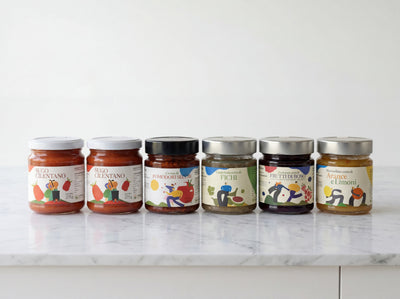
Southern Italy has crafted one of the richest and most diverse preserving traditions of the Mediterranean. Far beyond confetture and marmellate: sottoli, sott'aceti, vegetable preserves, passate, sughi, cured meats in jars. An entire universe of products born from the historic need to safeguard food in a hot climate and from the ingenuity that turned necessity into art.
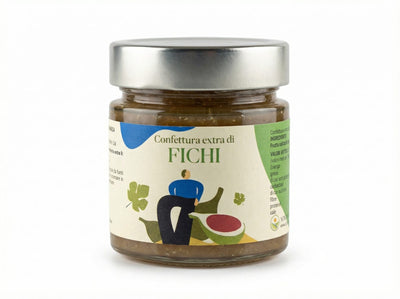
 | From our selection Fig JamHandmade, no preservatives. € 7,90 Discover → |
The peasant roots of Southern preserves
In the South, preserving began as an act of survival. In a rural economy without refrigerators and with winters that could be harsh, the ability to store summer’s bounty was a matter of life and death. Salt, oil, vinegar, sugar, the sun—these were the tools at hand. Generation after generation refined the techniques, codified the recipes, passed on the wisdom.
Southern specialties by category
Among the most emblematic preserves of the South we find San Marzano tomatoes, skinned and whole; Cetara anchovies cured under salt; Gaeta olives in brine; Puglian artichokes sott'olio; Calabrian “funghetto” eggplants; Spilinga ‘nduja preserved in pork fat; Altamura chili peppers in extra-virgin olive oil; jarred Trapani pesto; Sorrento lemons sott'oil with aromatic herbs.
The confetture of the South: sweetness and identity
When it comes to confet, the South offers specialties of absolute excellence. Vesuvian apricots—varieties like Pellecchiella, Portici, Vitillo, now at risk of extinction—yield confetture of an aromatic complexity impossible to replicate elsewhere. Cilento’s white figs, hand-picked and processed within hours of harvest, give confetture of profound sweetness and velvety texture. Reggio Calabria’s bergamot, prized mainly in perfumery but also in the kitchen, produces intensely fragrant citrus marmellate.
The paradoxox of valorization
Many of these products, despite their unquestionable excellence, struggle to reach the market they deserve. Production is often artisanal and limited in scale; distribution remains local; communication is almost non-existent. The makers know the value of what they craft, yet they don’t always have the means to share it. It’s a classic Southern Italian paradox: abundance of quality, scarcity of visibility.