
Vegan preserves from Cilento: traditional conserves without animal ingredients
Vegan eating and the southern-Italian art of preserving have more in common than you might think. Many of the most iconic Cilento and southern Italian preserves are naturally free of animal ingredients: grilled vegetables sott'olio, mushrooms sottolio, melanzane alla scapece, roasted peppers.
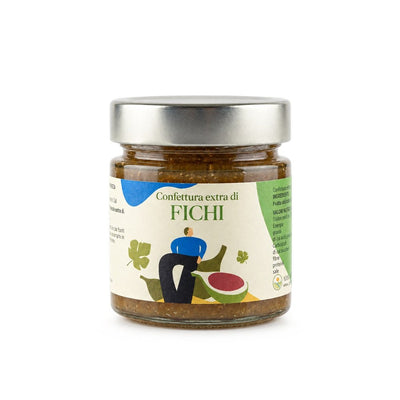
 | From our selection Fig JamHandmade, no preservatives. € 7,90 Discover → |
The tradition of sottoli in Cilento
Sott'olio, sott'aceto, in salamoia: in Cilento, turning the garden’s bounty into jars of flavour is an art passed down through generations. The territory’s own EVO oil is the undisputed star of these preparations. The quality of the oil determines the quality of the finished preserve: a fragrant, herbaceous oil lifts the vegetables instead of masking them. Melanzane sott'olio are perhaps the most emblematic product—sliced, salted, cooked and then preserved in oil with garlic and oregano, they develop an intense, layered character over time.
Naturally vegan products
Across the spectrum of Cilento preserves, many are vegan by nature: grilled or steamed melanzane sott'olio, sweet or spicy roasted peppers in EVO oil with garlic and capers, porcini mushrooms gathered in Cilento’s forests and preserved in oil with bay leaf, artichokes sott'olio in oil with lemon and parsley, and of course fruit confetture—fig, pear and apricot—prepared without any animal additives.
Where tradition meets veganism
Cilento’s cucina povera was almost entirely vegan out of necessity. Meat was a luxury reserved for feast days; daily life revolved around garden vegetables, legumes, seasonal fruit, bread and oil. Preserving was the way to carry summer into winter, to waste nothing the land had given. That same heritage lives on today in the territory’s artisanal preserves, made with the same techniques and ingredients as always.
How to use them in a vegan kitchen
Cilento sottoli are wonderfully versatile in modern plant-based cooking. Melanzane sott'oil become the sauce for a simple pasta; porcini enrich a risotto or polenta; roasted peppers finish a sandwich or focaccia. Fig confettura pairs with plant-based cheeses or works as a natural sweetener in sauces and marinades. The oil in which the vegetables are preserved is itself a treasure: scented with garlic and herbs, it can dress salads or deglaze a soffritto.