
Marmalade, Confettura and Jelly: The Differences Explained
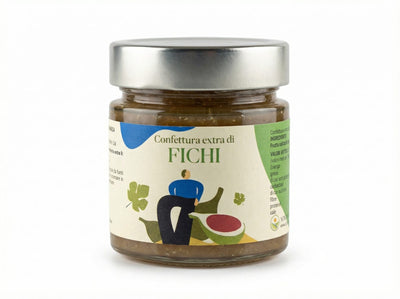
 | From our selection Fig JamHandmade, no preservatives. € 7,90 Discover → |
Marmalade, confettura and jelly are all fruity, sugar-sweetened spreads, yet they differ in fruit content, fruit form and legal definition. Standing in front of the supermarket shelf, most of us have wondered: what exactly sets them apart? The answer lies in the ingredients and the way they are made. Sugar and fruit ratios determine flavour, texture and shelf life of each preserve. With the new EU Jam Regulation coming into force in 2026, some names are changing—making it easier for shoppers to know what they’re buying.
1. What are the differences between marmalade, confettura and jelly?
The key differences come down to the form of fruit used and its percentage. Marmalade contains fruit pulp and visible pieces; confettura does too, while jelly is made solely from thickened fruit juice. These three categories are strictly regulated and must contain no preservatives.
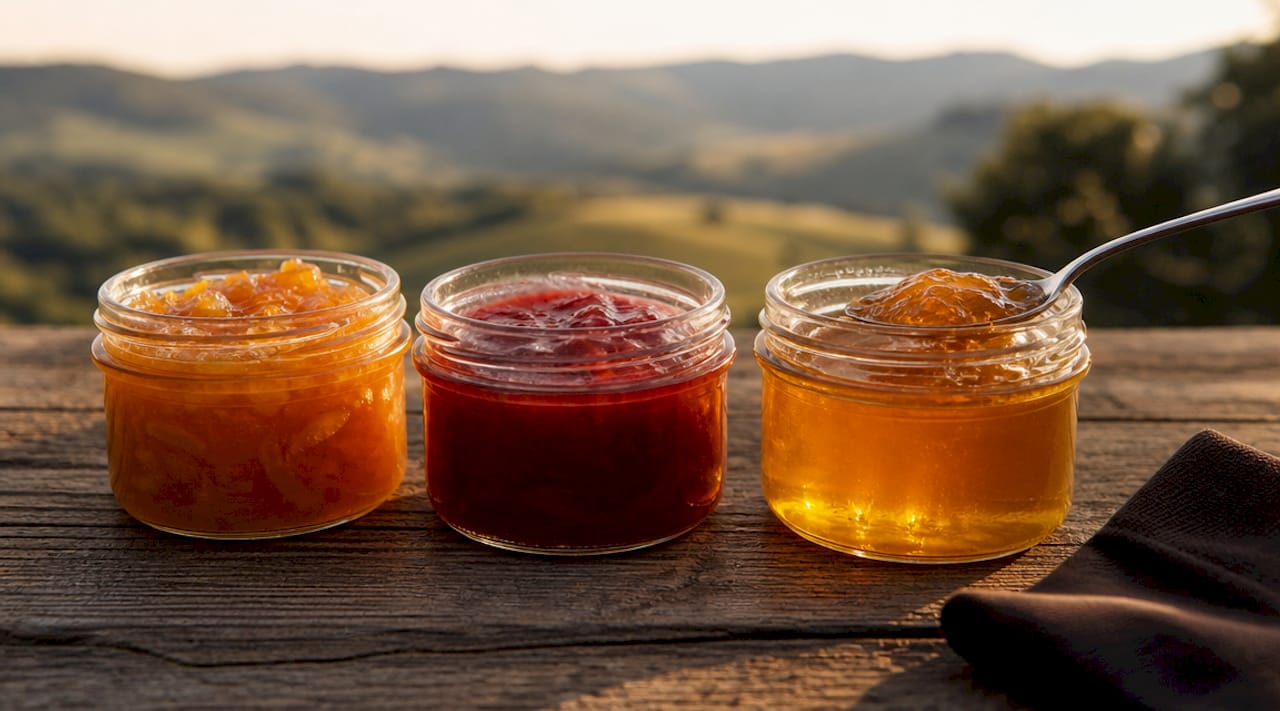
In everyday German, the word “Marmelade” has long been used as a synonym for “Konfitüre”, causing decades of confusion. The 2026 regulation finally brings clarity by harmonising the terms and making the supermarket aisle less of a puzzle. So if you’ve ever wondered why some jars say “Konfitüre” and others “Marmelade”, you’ll now have a straightforward answer.
2. What is marmalade and how does it differ from confettura and jelly?
Marmalade is a fruit spread made from fruit pulp, pieces of fruit and sugar, with a minimum total sugar content of 55 %. Until 2025, only citrus-based spreads could officially be called marmalade in Germany. From June 2026, spreads made from any fruit may carry the name marmalade, not just citrus. That means strawberry marmalade, plum marmalade and apricot marmalade will all be legally correct.
Citrus spreads such as the classic orange marmalade will henceforth be labelled “citrus marmalade” to distinguish them. Marmalade contains both fruit pulp and recognisable pieces, giving it a characteristic texture. Preservatives are forbidden; shelf life is ensured solely by the sugar content and the cooking process.
Marmalade at a glance:
- Fruit pulp and visible pieces
- Minimum 55 % total sugar content
- No preservatives allowed
- From 2026, can be made from any fruit, not just citrus
- Citrus spreads will be labelled “citrus marmalade”
Insider tip: If you’re making marmalade at home, pay attention to the jam-sugar ratio. A 1:1 ratio is sweeter and keeps longer, while 3:1 contains less sugar and lets the fruit flavour shine.
3. What defines confettura and how does it differ from marmalade and jelly?
Confettura is a legally defined fruit spread made from fruit pulp or purée with sugar, requiring a minimum fruit content of 35 %. “Confettura extra” demands 45 %. The higher fruit content is immediately noticeable on the palate: the fruit notes are clearer, the texture thicker and more aromatic.
Compared to marmalade, confettura is traditionally the more precise term for spreads made from strawberries, raspberries, apricots or plums. Texture varies by fruit: strawberry confettura is softer and more spreadable, while plum confettura is denser and more intense. Handmade confetture are considered higher quality because they need less pectin and develop a more authentic fruit flavour.
Confettura in brief:
- Minimum 35 % fruit content, 45 % for “extra”
- Contains fruit pulp, purée and often visible pieces
- No preservatives allowed
- Wide range of variants depending on fruit
- More intense fruit flavour at higher fruit content
Insider tip: In the supermarket, check the ingredient list. “Confettura extra” signals the highest fruit content and therefore the most intense flavour experience.
4. What is jelly and how is it fundamentally different from marmalade and confettura?
Jelly is made exclusively from fruit juice, without pulp or pieces. That is the crucial difference from marmalade and confettura. The result is a clear, translucent spread with a smooth, almost glossy surface that gleams like a mirror on bread.
Producing jelly requires specific gelling agents and precise temperature control to achieve a clear, spreadable consistency. The juice is cooked, filtered and combined with sugar and gelling agent. Classic examples are apple jelly, blackcurrant jelly and quince jelly. “Jelly extra” denotes versions with an especially high juice content.
Typical jelly characteristics and ideas:
- Made only from pure fruit juice, no flesh
- Clear, translucent consistency without pieces
- Gelling agents such as pectin or agar-agar required
- Classic varieties: apple, blackcurrant, quince
- “Jelly extra” with particularly high juice content
The smooth texture makes jelly especially popular for pastries, cakes and glazes. If you prefer a spread without pieces, jelly is the choice. The flavour is often more concentrated than in confettura because the juice is heavily reduced during cooking.
5. Marmalade vs. confettura vs. jelly: a practical comparison
A direct comparison highlights the essential differences at a glance. The table below summarises fruit form, fruit content, texture and legal specifics.
| Feature | Marmalade | Confettura | Jelly |
|---|---|---|---|
| Fruit form | Pulp and pieces | Pulp, purée and pieces | Juice only |
| Minimum fruit content | Legally defined | 35 % (extra: 45 %) | Similar to marmalade |
| Texture | Chunky, creamy | Chunky to creamy | Clear, smooth, translucent |
| Preservatives | Forbidden | Forbidden | Forbidden |
| 2026 change | All fruits allowed | Remains confettura | Remains jelly |
| Flavour | Fruity, aromatic | Intensely fruity | Concentrated, clear |
Spreads that do not meet the legal requirements may contain preservatives and have free sugar and fruit contents. In other words, if the label simply says “fruit spread”, you’re buying a less regulated product. The name itself tells you a lot about quality.
Insider tip: When shopping, look for the exact wording. “Confettura extra” or “marmalade” with a high fruit content guarantees more fruit in the jar than a plain “fruit spread”.
6. Chutney and fruit spreads: how do they differ from marmalade, confettura and jelly?
Chutneys differ fundamentally from marmalade, confettura and jelly through their ingredients: they contain vinegar, spices and often vegetables, giving them a savoury character. While marmalade and confettura shine sweetly on the breakfast table, chutney accompanies cheese, meat and savoury dishes. The difference between chutney and confettura is therefore mainly about use and ingredients.
Homemade chutneys also require a maturing time of 6 to 8 weeks so that the flavours from spices such as curry, ginger and chilli can fully develop. Confettura and jelly, on the other hand, are ready to enjoy as soon as they have cooled. This different maturation time makes chutney a patient craft.
Unregulated fruit spreads form another category:
- Free sugar and fruit content, no regulation
- May contain sweeteners or preservatives
- Often cheaper, but with lower fruit content
- No guarantee of minimum fruit content
- Labelled “fruit spread” rather than marmalade or confettura
Chutneys, while also less strictly regulated than confettura, follow their own tradition. The combination of sweetness, acidity and heat makes them a standalone taste experience that goes far beyond the breakfast table.
7. Make or buy: what’s worth it with marmalade and confettura?
Making marmalade yourself is worthwhile if you want full control over fruit content and sugar levels. Traditional methods and regional specialities often deliver more intense flavours than industrial mass production. When you cook your own, you know exactly what’s in the jar.
Fruit quality and variety strongly influence the final texture and taste. A ripe, aromatic strawberry grown under the southern Italian sun brings natural sweetness and depth that shines through in the finished confettura. Homemade confetture should be consumed within 12 months for optimum quality and colour.
If you prefer to buy, choose artisanal products with a high fruit content. Tips on proper storage extend shelf life and preserve flavour. Premium confetture from small producers—such as those from southern Italy—combine traditional recipes with carefully selected fruit, delivering a taste experience that industrial products rarely match.
8. Seasonal ingredients and regional origin: why they make the difference
Seasonal fruit develops a noticeably more intense aroma during cooking than year-round imported produce. An apricot ripened under the Cilento sun carries natural sweetness and depth that are unmistakable in the finished confettura. The choice of fruit is therefore not a minor detail but the heart of every good preserve.
Regional origin also affects texture. Fruit from specific climates has varying pectin levels, influencing the set. Southern Italian citrus, for example, has thicker peel with more natural pectin, giving citrus marmalades a distinctive consistency. Seasonal ingredients improve not only flavour but also sustainability.
Checking provenance labels leads to better choices. A jar stating “fruit from the region” or a specific geographical origin signals quality. Artisan producers working in small batches can offer this transparency because they know their suppliers and personally check fruit quality.
Key takeaways
Marmalade, confettura and jelly differ in fruit form and fruit content. The new EU Jam Regulation 2026 simplifies the names for German consumers.
| Point | Details |
|---|---|
| Fruit form as the main feature | Jelly from juice, confettura from pulp and pieces, marmalade from pulp and pieces of any fruit. |
| 2026 legal change | From June 2026, all fruit spreads may officially be called marmalade, not just citrus. |
| Fruit content as a quality marker | Confettura extra with 45 % fruit delivers a more intense flavour than basic fruit spreads. |
| Chutney as a separate category | Chutneys contain vinegar and spices and are savoury, unlike sweet marmalade or confettura. |
| Shelf life of homemade products | Consume homemade confetture within 12 months for optimum quality and colour. |
My take on the reform and conscious shopping
The 2026 EU Jam Regulation is, in my view, a long-overdue simplification. For decades, German consumers said “Marmelade” and meant “Konfitüre”, while the law recognised only citrus spreads as marmalade. This mismatch between everyday language and legal terminology caused more confusion than clarity.
What I particularly welcome about the reform is that it forces us to look more closely at the ingredient list. When you now read “marmalade”, you should still check whether it’s a product with a high fruit content or merely a basic fruit spread in new clothing. The name alone is no guarantee of quality.
My personal buying advice: reach for products labelled “extra” or for artisanal specialities from small producers. The price difference compared with industrial goods is small, but the flavour difference is huge. A good confettura made from ripe, seasonal fruit needs no artificial flavours. It tastes exactly of what’s on the label.
— carmine
Minnelea: Discover confetture and marmalades from southern Italy
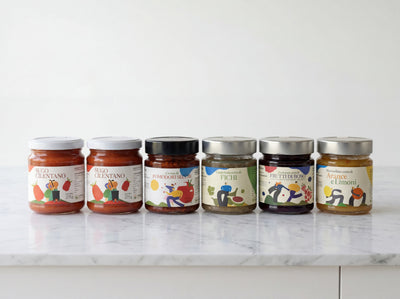
If you’re looking for spreads that truly taste of fruit, Minnelea offers a selection that unites artisanal tradition with carefully chosen ingredients from Cilento in southern Italy.

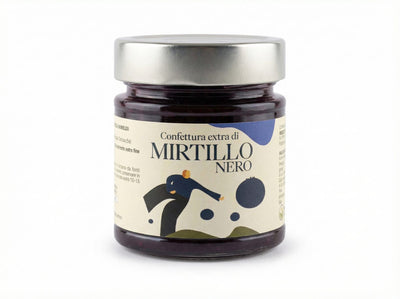
Minnelea produces in small batches, using fruit from the region and no artificial additives—and you can taste it. The confetture from Minnelea impress with high fruit content, natural aromas and a texture that speaks of true craftsmanship. If you prefer classic citrus spreads, the marmalade collection has exactly what you need. Both lines make perfect gifts for food lovers or a daily treat on the breakfast table.
FAQ
What is the difference between marmalade and confettura?
Both marmalade and confettura contain fruit pulp and pieces, but historically they differed by fruit. Until 2025 only citrus spreads could be called marmalade; from June 2026 the term applies to spreads made from any fruit.
What is jelly and how is it made?
Jelly is made solely from thickened fruit juice, without pulp or pieces. The juice is filtered, cooked with sugar and a gelling agent, yielding a clear, translucent spread.
What fruit content must confettura have?
Confettura must contain at least 35 % fruit, and confettura extra at least 45 %. This legally required minimum distinguishes it from basic fruit spreads that are not regulated.
What is the difference between chutney and confettura?
Chutney contains vinegar, spices and often vegetables, and is used as a savoury condiment—for example with cheese or meat. Confettura is a sweet spread made from fruit pulp and sugar, without vinegar or spices.
How long does homemade confettura keep?
Properly stored, homemade confetture will keep for up to 12 months and retain optimum quality and colour. Once opened, store the jar in the refrigerator and consume within a few weeks.
Further reading
- Why Sugar and Fruit Content Matter in Marmalade – Azienda Agricola Minnelea
- Artisanal Fruchtkonserven: Was steckt wirklich dahinter? – Azienda Agricola Minnelea
- Types of Southern Italian Confetture & Marmalade – Azienda Agricola Minnelea
- Storing Handmade Jam: How to Keep It Fresh – Azienda Agricola Minnelea