
Lemon Marmalade: 5 Ways to Use It Beyond Breakfast
Lemon marmellata is one of those Italian preparations that lives in the shadow of sweeter fruit confetture. Strawberries, cherries, and apricots always take center stage at the breakfast table. Lemon marmellata stays at the back of the shelf, labeled “too particular.”
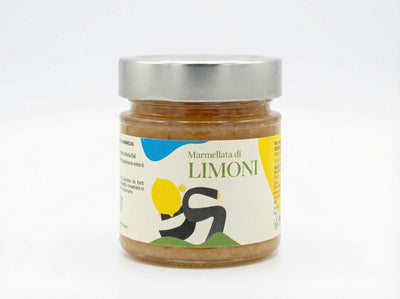
 | From our selection Lemon MarmaladeHandmade, no preservatives. € 7,90 Discover → |
It’s a shame. True lemon marmellata—made with thinly sliced whole peel, pulp, and sugar—has a sweet-bitter balance that makes it one of the most versatile ingredients in the Italian pantry. It’s used in the kitchen far more often than the classic strawberry confettura.
Our extra lemon marmellata is crafted from whole lemons, worked with their peel, sugar, and nothing else. No industrial pectins, no colorants. The zest is visible, the texture dense.
Five ways to bring it to the table, beyond the morning slice of toast.
1. On plain yogurt: the Mediterranean breakfast
The simplest route, and the one that wins over the most skeptics. A bowl of thick Greek yogurt, two spoonfuls of lemon marmellata on top, a handful of chopped almonds. The yogurt’s sweetness balances the lemon’s gentle bitterness—what emerges is a fresh, fragrant dish.
Summer twist: add a few cubes of fresh apple or pear. Winter twist: shards of dark chocolate.
2. In a light, elegant tart
A lemon marmellata crostata is less common than the red-fruit version, but far more refined. A disc of shortcrust, half a jar of lemon marmellata spread across, lattice strips on top, then 30 minutes at 180 °C.
Fancier version: add a thin layer of pastry cream beneath the marmellata before baking. Lemon and custard is a classic of Italian patisserie.
3. With fresh cheeses: the least-known pairing
Fresh ricotta, robiola, primo sale—Italian fresh cheeses love lemon marmellata. The cheese’s lactic sweetness and the citrus note find perfect equilibrium.
On a plate: a spoonful of fresh ricotta, a dollop of lemon marmellata alongside, rustic bread or whole-wheat crackers. Works as a dessert or a savory snack.
4. Baked into sweets: muffins and biscuits
Fold two spoonfuls of lemon marmellata into a basic muffin batter (200 g flour, 100 g sugar, 1 egg, 100 ml milk, 50 ml oil, 1 packet baking powder) and you’ll have fragrant muffins that need no further glaze.
For biscuits: place a teaspoon in the center of a shortcrust disc, fold into a half-mome, seal with fork marks. Fifteen minutes at 180 °C. Perfect for teatime.
5. To scent tea or herbal infusions
A teaspoon of lemon marmellata dissolved in a hot cup of tea or tisane is a northern-European tradition that feels right at home in Italy. It replaces both fresh lemon and sugar in one move.
Especially good with light black teas (Earl Grey, English Breakfast), linden tisane, or chamomile infusion.
The lemons we choose
Our lemons come from southern Italy, selected for their fragrant peel and juicy pulp. Processed whole, peel included, to give the marmellata its full, zesty character. No colorants, no preservatives.
Try them all
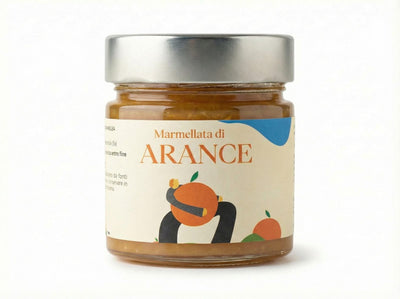
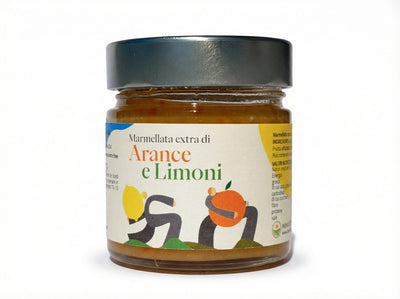
If citrus is your thing, we also craft an extra orange marmellata and a mixed orange & lemon version—three variations on the same bright theme.
To taste the entire sweet line, the Cilento Sweet Awakening kit gathers six artisan confetture and marmellate.
Explore the full range in our confetture & marmellate collection.