
Orange Marmalade: The Italian Breakfast Staple That Shines in the Kitchen Too
Orange marmalade is one of the cornerstones of the Italian breakfast. For many, it’s the very first jam they ever tasted—the jar that lives permanently in the pantry, always next to the bread.. Yet beyond the morning slice of toast, orange marmalade has far more talents than most people realize.
 | From our selection Orange MarmaladeHandmade, no preservatives. € 7,90 Discover → |
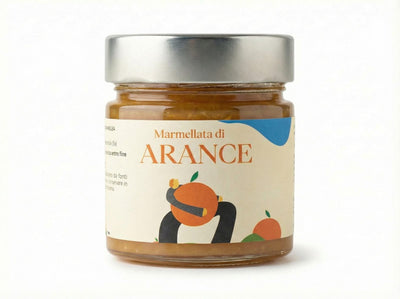
Our extra orange marmalade is made with whole oranges, peel and all, sugar, and nothing else. No industrial pectin, no colorants, no preservatives. The peel is visible, the texture thick and luscious.
Four ways to take it beyond breakfast.
1. Filling for cakes and baked treats
Orange marmalade is one of the most versatile fillings for cakes and cookies. Its dense consistency stays put during baking, and its citrus tang balances overly sweet batters.
Classic example: a home-style “Sacher” cake. Bake a chocolate sponge, split it in half, spread two spoonfuls of orange marmalade in the middle, then cloak the whole thing in chocolate glaze. The chocolate-orange duo is get is a hallmark of Italian and Austrian pastry.
Another favorite: “bulls-eye” cookies—two shortbread rounds with a dollop of orange marmalade between them, the top cookie stamped with a little window so the jewel-bright filling peeks through.
2. Glaze for fish and white-meat mains
A lesser-known trick that works beautifully. orange marmalade as a glaze for oven-baked fish or roast duck. The principle is the same as the classic French “duck à l’orange.”
Quick version: warm two tablespoons of orange marmalade with a tablespoon of water and a grating of fresh orange zest. Brush the glossy mixture over a fillet of salmon, sea bass, or tuna during the last five minutes of cooking. The result is fragrant, shiny, and restaurant-worthy.
It’s equally delicious on pork chops, duck breast, or turkey tenderloin.
3. With cheese: the timeless sweet-bitter pairing
The bright citrus of orange marmalade offsets bold cheeses beautifully: aged pecorino, long-matured Parmigiano, or a pungent blue.
On a board: shards of pecorino, curls of Parmigiano, a wedge of goat cheese. Beside them, a small bowl of orange marmalade and a handful of walnuts. Serve with whole-grain bread or spelt crackers.
4. Base for spoon desserts
Use orange marmalade as a “base” beneath a silky spoon dessert: panna cotta, chocolate mousse, semifreddo. A spoonful in the bottom of the glass, the dessert layered on top. When your guest dips in, they’ll discover a burst of citrus that lightens the sweetness.
It’s especially magical with dark-chocolate desserts—the chocolate-orange pairing is already legendary.
Bonus: quick candied orange peel
If your marmalade is rich in peel, you can upcycle it. Drain half a tablespoon of peel from the jar, let it dry for five minutes on onutes on parchment, and use it as instant “candied” peel on cakes, cookies, or gelato.
Storage
Once opened, keep it in the fridge. It stays perfect for four to six weeks if you always use a clean spoon.
More citrus confetture
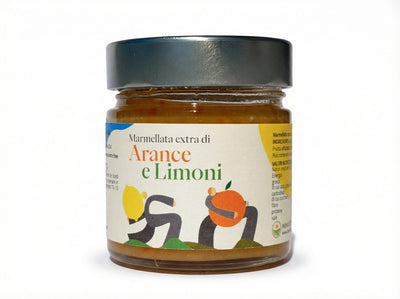
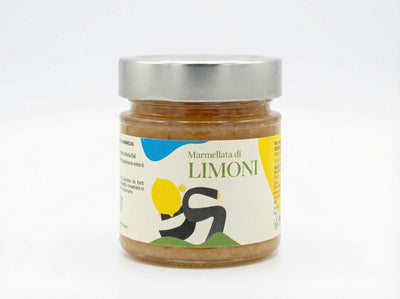
If citrus is your thing, try our extra lemon marmalade (more bittersweet, pure citrus) or the blended orange & lemon—a perfect balance of the two.
Find the full range in our confetture & marmellate collection.