
Thermomix Tomato Purée: Where the Machine Shines — and Where It Doesn’t
Can the Thermomix make passata? Yes — with a compromise you should understand. The appliance blends instead of sieving, and that single difference decides whether you end up with a true passata or a “tomato smoothie.” Here’s the honest method, the skin trade-off, and a clear verdict on when the route is worth it.
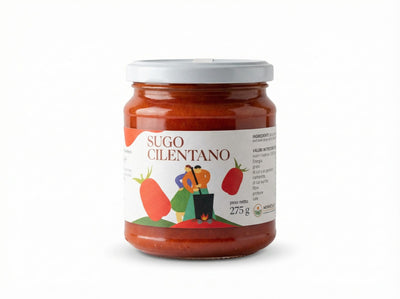
 | From our selection Cilento Tomato SauceHandmade, no preservatives. € 5,00 Discover → |
The Method (3 Steps)
For about 800 ml: 1.2 kg ripe plum tomatoes (San Marzano, Roma).
- Prep: Wash, quarter and core the tomatoes. For the cleanest result, peel them first (blanch 30 seconds, shock in ice water, slip off the skins) — more on that below.
- Blend: Work in batches, 20–30 seconds on high speed, until the mixture is smooth.
- Cook down: Right in the mixing bowl, 25–30 minutes at 100 °C (use the simmering basket instead of the measuring cup so steam escapes) — or use an open pot for faster reduction.
Use raw (for sauces that will cook later) or bottle hot and cool.
The Skin Compromise
This is where the structural difference from the classic Flotte Lotte method shows up: the food mill separates — skins and seeds stay behind. The blender grinds everything — skins and seeds end up finely dispersed in the passata. The result is a slightly more bitter note (from the seeds), tiny flecks of skin in the texture, and, because of the incorporated air, a paler, orange hue.
Three ways out, ranked by effort:
- Peel before blending (blanch method) — solves the skin issue, seeds remain. The best compromise.
- Strain after blending — but then a food mill would have done both jobs in one go.
- Accept it — for family sauces, soups and braises the difference is small; in a pure pasta al pomodoro you’ll taste it.
Where the Thermomix Really Excels
- Speed with small batches: 1 kg of summer tomatoes from the market becomes passata in 40 minutes — no extra gear required.
- Cook straight after blending: one bowl, one wash-up.
- Soup territory: when everything will be puréed anyway (tomato soup, vegetable sauces), the compromise isn’t one.
The Honest Bottom Line
Passata — however it’s made — is raw material: it still needs to be turned into a sauce (what passata actually is). The Thermomix shortens the first step; the second (olive oil, garlic, time) is still yours. If what you really want is an outstanding tomato sauce, the shortcut is already on the shelf: a jar of Sugo Cilentano, where both passata and the cooking have been done — from ripe southern-Italian tomatoes, with extra-virgin olive oil. Machine for the fresh glut of summer, jar for the rest of the year: the combination that wins in real life.
Frequently Asked Questions
Which speed and how long to blend? Short and high (20–30 seconds) rather than long and medium — the shorter the blitz, the less air and the fewer pulverised seeds.
Can I water-bath can Thermomix passata? Yes, following the usual rules: sterilised bottles, 35 minutes in a water bath. The machine doesn’t replace the sterilisation step.
Why is my passata so pale and foamy? Air whipped in during blending. Most of it escapes during the subsequent simmer, and the colour deepens — a quick open boil helps.