
Sustainable Eating: Better Flavor, Less Waste
A sustainable diet isn’t about giving things up. It’s a smarter way to stock the pantry, cook, and choose foods that honor nature’s rhythm, celebrate the territory, and strip away the superfluous. According to the FAO and WHO, sustainable eating safeguards health, biodiversity, and ecosystems, stays culturally relevant and accessible, and lowers overall environmental impact.
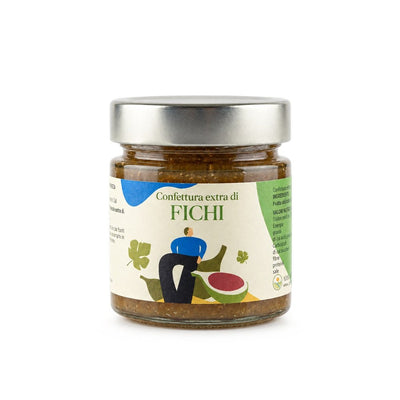
 | From our selection Fig JamHandmade, no preservatives. € 7,90 Discover → |
So sustainability at the table isn’t a trend to chase—it’s a set of simple, concrete choices: more plants on the plate, well-made products in the jar, zero waste on the mind, transparent supply chains, and a better use of what’s already in the cupboard.
What makes a diet truly sustainable
Food sustainability isn’t about one “miracle” ingredient; it’s a cluster of daily habits:
- more fruit, vegetables, legumes, and grains in the weekly rotation;
- conscious, intentional shopping;
- respect for seasonality;
- less household waste;
- support for artisan producers who handle raw ingredients with care.
In short: fewer excesses, fewer forgotten fridge orphans, fewer “just-in-case” purchases. And a pantry built on purpose.
The sustainable pantry starts at home
A low-impact kitchen isn’t only fresh produce. It’s jars that are stored right and ready to turn a speedy dinner into a complete meal—no waste, no rush. A good confettura (fruit preserve), a carefully crafted ready sauce, or an artisan sott’olio (oil-packed preserve) can rescue week-night cooking and curb impulse buys.
This is the power of a curated pantry: a handful of versatile, high-quality staples instead of a crowd of anonymous jars that never leave the shelf.
How to live it every single day
1. Plan better, buy less
Smarter shopping is step one. A clearer grocery list shrinks waste and sets you up for balanced meals all week.
2. Go more plant-based—no extremes required
International sustainability guidelines push for a larger share of plant foods. No need for an overnight revolution: just start anchoring more meals around vegetables, legumes, grains, vegetable preserves, and well-made condiments.
3. Value good transformation
Not all shelf-stable foods are equal. Ingredients, processing methods, and final flavor make the difference. When transformation is artisanal and respects the raw material, the product keeps its identity and earns a real place at your table.
4 Lean on versatile products to cut waste
A sustainable product is one you actually finish. The smartest jars multitask: breakfast, cheese pairing, bruschetta topping, pasta sauce, or side-dish booster.
Minnelea’s take on sustainable eating
For Minnelea, sustainability begins with raw produce and the respect it deserves. We transform Cilento fruit and vegetables into a modern, useful, and delicious pantry—one that helps you eat well when time is short, without cluttering the table with pointless or standardized foods.
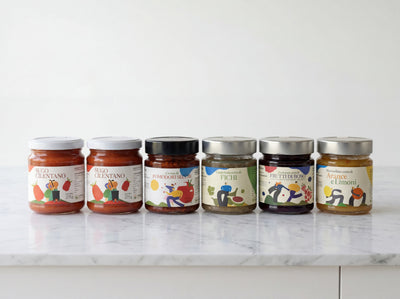
Several Minnelea jars fit this story perfectly:
Artisanal Extra Figs Confettura
Ideal for pared-back breakfasts that still feel indulgent, or for a cheese-board twist. A signature product, processed at 55°C under vacuum to keep flavor bright.
Artisanal Sun-Dried Tomatoes in EVO Oil
Your ally for clever leftover cooking: bruschetta, salads, sandwiches, cold pasta, side dishes. One jar, endless real-life applications—flavor-packed and plant-forward.
Artisanal Pumpkin Cream with EVO
Fast dinner, zero boredom. Use it on crostini, pasta, savory-pie filling, or next to cheese. A textbook example of a jar that stretches your options and shrinks your waste.
Cilentano Tomato Sauce
For days that refuse to slow down. A good ready sauce curbs last-minute take-out and slots neatly into a sustainable routine—especially when paired with a simple, well-planned pantry.
A fresher definition of sustainability
Today, a food blog that talks sustainability should ditch the lecturing and get practical. “Eat seasonal” or “reduce impact” aren’t enough; readers need to know how, in real life, without chasing perfection.
Wrap-up
A sustainable diet isn’t built on rigid rules but on a smarter pantry, less waste, and products that make everyday sense. It’s about repeated, imperfect choices—not perfection.
And often it starts here: the right jar opened at the right moment, used down to the last spoonful, turning simple ingredients into a meal that tastes better, means more, and weighs less on the planet.