
Preserves and a low-carb diet: how to read the jar label
Share
On a low-carb diet, a jar is judged by its label. The carbohydrates in a preserve come from three places: the vegetable or fruit itself, the sugar in the recipe and starch. Here is how to spot them. This is not dietary advice: for a prescribed diet, your doctor or a dietitian has the last word.
Where are the carbohydrates in a jar?
First, in the vegetable: every vegetable contains some, in varying amounts. Next, in sugar: tomato sauces, sweet-and-sour preparations, onion chutneys and fruit mustards may contain it, and the ingredients list will say so. Finally, in starch: pulses, grains, potatoes. Oil, on the other hand, brings no carbohydrate, because it is a fat.
How do you read the ingredients list?
Ingredients are listed in descending order of weight. Look for the ingredients that sweeten: sugar, glucose syrup, dextrose, glucose-fructose syrup, concentrated fruit juice, honey. The earlier they appear in the list, the more they weigh in the recipe.
What should you check in the nutrition table?
The "carbohydrate" line per 100 g and, just below, "of which sugars". In Europe, fibre, when it is shown, is listed separately and is not counted as carbohydrate. On American labels, fibre is included in the carbohydrate figure. That is why "net carbs", a calculation common in the United States, are not worked out the same way on a European jar. The "carbohydrate" line does, however, include polyols such as erythritol.
What is in our vegetables in oil?
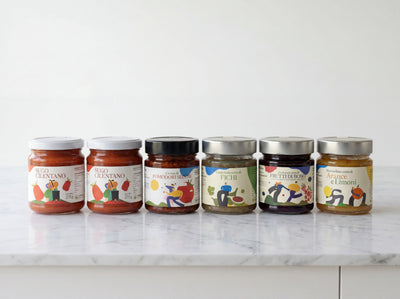
Vegetables, extra virgin olive oil and an acid preparation based on vinegar, which preserves them. The vinegar brings sulphites, declared on the label as an allergen. We make three: sun-dried tomatoes, aubergines and peppers in oil. The exact ingredients and the nutrition table are on every jar: those are what count, not a generic table.
How do you use vegetables in oil in the kitchen?
With cheese and cured meats as an aperitivo, in a salad, in an omelette, or next to grilled meat or fish. The oil in the jar takes on the flavour of the vegetables. You can then use it to dress a salad or cooked vegetables.
What about jam?
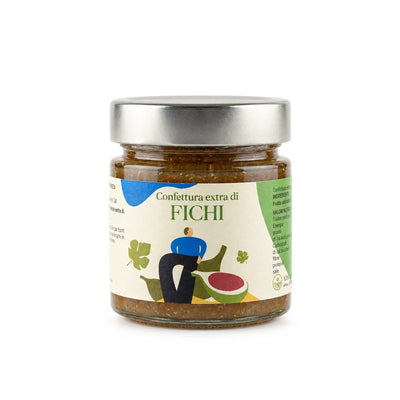
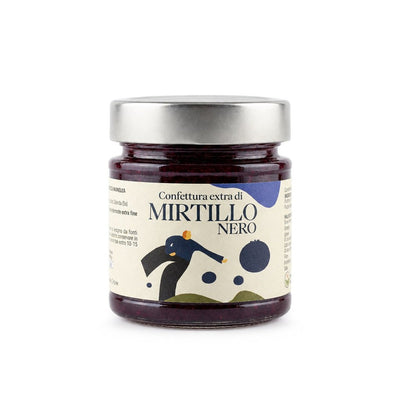
Jam is made of fruit and sugar, so it is mostly carbohydrate. It is not a product designed for a low-carb diet. On the jar, the total sugar content per 100 g is required. We explain how to read it in our article on jam and a low-carb diet.
Frequently asked questions
Does olive oil contain carbohydrates?
No. It is a fat: its nutrition table shows 0 g of carbohydrate.
What does "net carbs" mean?
Carbohydrates minus fibre, a calculation common in the United States. On a European label, fibre is already listed separately.
Who should I ask for advice?
Your doctor or a dietitian. A label informs; it does not replace advice.
Read more
- Preserves and the keto diet: what to check on the label
- Peppers in oil: what to know
- Our vegetables in oil
Sources
- Regulation (EU) No 1169/2011 on the provision of food information to consumers
- Directive 2001/113/EC relating to fruit jams, jellies and marmalades