
Processing Tomatoes: Which Path for Which Tomato — A Decision Guide
Ten kilos of tomatoes are not a problem — they are a decision. Dry them or cook them down? Sauce or passata? Freeze or eat right away? The answer hinges on three variables: variety, quantity and time. This article is your decision guide — concise, with links to every detailed walkthrough.
 | From our selection Fig JamHandmade, no preservatives. € 7,90 Discover → |
Step 1: Sort by variety
Every tomato has a natural destiny:
- Cherry & date tomatoes (sweet, low water): → eat raw, oven confit, dry. The worst use: passata (too precious, too fiddly).
- Plum tomatoes / San Marzano (meaty, few seeds): → sauce, passata, preserve. The queen of processing — for the most famous variety we have a dedicated San Marzano guide.
- Beefsteak / oxheart (large, juicy): → raw (Caprese, panzanella), stuff and bake. Second choice for sauce: lots of water, long simmer.
- Round salad tomatoes: → salads, braises, soup. The all-rounder without a specialty.
Step 2: Decide by quantity
Up to 2 kg (the weekly shop): no need to preserve — use fresh. Our 12 harvest recipes cover everything from panzanella to confit.
2–5 kg (the balcony haul): cook a double batch of fresh tomato sauce and freeze in portions — maximum impact, minimal kit.
5–15 kg (the garden flood): now infrastructure pays off — a passata day with a passata machine and water-bath canner, plus a tray of oven confit and (for date tomatoes) a drying round.
15+ kg: the southern-Italian family canning day. Plan for two or three people, reserve a whole day — and be realistic: whatever exceeds capacity, give away rather than let it rot.
Step 3: Choose by time
- 10 minutes: grated tomato on bread, quick Datterini skillet
- 30 minutes: fresh tomato sauce for dinner + a freezer portion
- 2 hours: oven confit (runs by itself) or a small passata batch
- 1 day: the full canning program with water-bath and winter stock
The honesty matrix
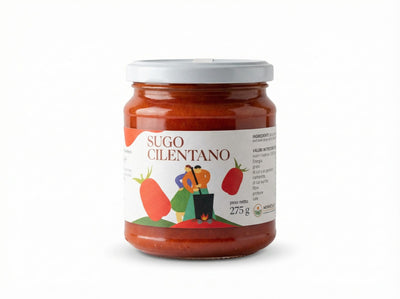
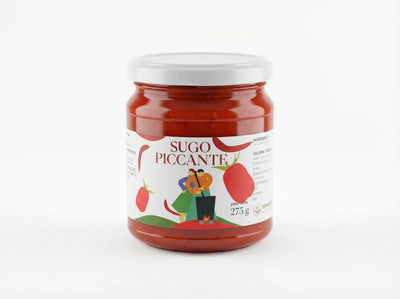
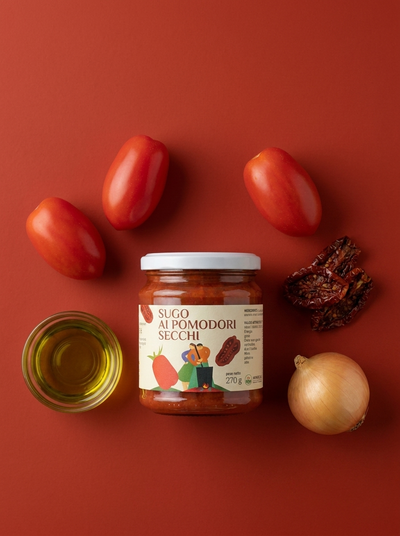
Processing only makes sense if the result is better than what you can buy. With sun-ripe garden tomatoes: always yes. With mediocre supermarket produce: almost always no — no amount of work turns pale tomatoes into great preserves. For year-round sauce supply, the professionals’ division of labour remains sensible: your own harvest for the highlights, and on the shelf a craft-canned jar made from tomatoes harvested ripe in southern Italy. Process what brings joy — buy what others do better.
Frequently asked questions
Can I process different varieties together? For sauce and soup: yes, blends often taste rounder. For passata and drying: better single-variety — different water contents mean uneven cooking times.
What do I do with unripe green tomatoes? Pickle them sweet-and-sour, fry them (sliced and floured) or ripen them in a light place (with an apple in a box — its ethylene helps).
Which method gives the best effort-to-reward ratio? The frozen double batch of sauce: one pot, no special gear, and November will thank you. Freezing is the underrated workhorse of tomato use.