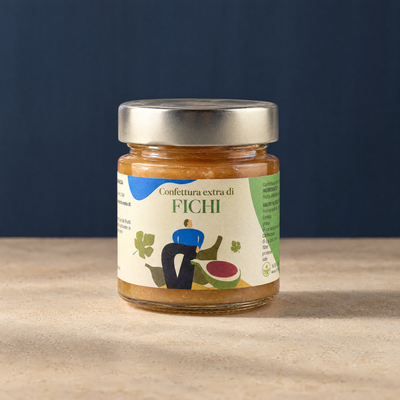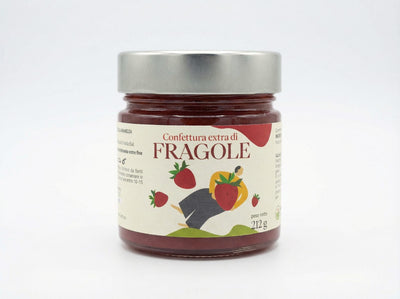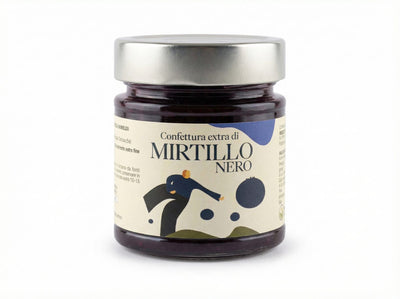

How Long Does an Artisan Confettura Last (and Why It Needs No Preservatives)
It’s the question we hear most often when someone spots “no preservatives” on the label: then how long does it last? The short answer is that a well-made artisan confettura lasts just as long sealed as any industrial jam—often longer—and preservatives simply aren’t necessary. Let’s see why, and how to handle it in practice.
 | From our selection Fig JamHandmade, no preservatives. € 7,90 Discover → |
Shelf life sealed: the first thing that matters
A properly sealed jar, stored in a cool, dark place, has a generous shelf life: high-sugar fruit preserves generally keep for many months, often well over a year. The exact term is always printed on the jar as the Best-Before date (“preferably consumed by”).
“Best-before” means something precise: after that date the product isn’t dangerous, it may just lose a little colour or aroma. It’s different from the “use-by” date you find on fresh, perishable foods.
Why no preservatives are needed: three natural safeguards
A confettura doesn’t need added preservatives because it defends itself, thanks to three factors working in harmony.
1. Sugar. Sugar isn’t just sweetness: it binds the water in the fruit, making it unavailable to moulds and bacteria. It’s the same principle that keeps honey good for years. In an extra confettura the fruit content is high, but there’s still enough sugar to guarantee this effect.
2. Acidity. Lemon juice, besides helping the fruit set thanks to natural pectin, lowers the pH. An acidic environment is hostile to most microorganisms that spoil food.
3. Cooking and vacuum-sealing. Cooking brings the product to a high temperature, and hot-filling followed by capping creates a vacuum: the classic “pop” of the lid as it cools. That vacuum prevents air—and therefore oxygen and spores—from re-entering the jar.
Three natural barriers. No chemical additives required. That’s why the label reads only fruit, sugar and lemon juice.

Once opened: the rules change
Once the jar is opened, the vacuum is gone and air enters every time you dip in. From that moment on, home handling is everything.
The practical rule: always follow the instructions on the label. Minnelea jars indicate 1 week after opening, since they contain no preservatives: always in the fridge, with the jar closed between uses and using a clean, dry teaspoon. The single most common mistake is a dirty spoon—buttery, wet, or licked—which introduces moisture and microbes that shorten the product’s life and encourage mould.
An industrial jam loaded with preservatives can last a few extra weeks after opening. But for regular breakfast use, the time indicated on the label is more than enough: the jar is usually finished long before then.
Best storage practices, in a nutshell
- Sealed: cool, dry pantry away from heat and direct light. No need for the fridge while the seal is intact.
- Opened: always in the fridge, lid tightly closed.
- Clean utensil: the golden rule to avoid contamination.
- Check the vacuum: if you don’t hear the “pop” and the lid is already raised or bulging, do not eat the product.
When to throw a jar away
Trust your senses, not just the date:
- Mould on the surface or around the rim → discard the whole jar, not just the visible part.
- Fermented, alcoholic or sharply sour smell → discard.
- Bulging lid or one that hisses on opening → discard.
If the confettura has only slightly darkened on the surface after months of correct storage, it’s usually just cosmetic oxidation.
Frequently asked questions
How long does an artisan confettura last sealed?
A long time: stored in a cool, dark place, a high-sugar fruit preserve generally keeps for many months. The exact term is the Best-Before date printed on the jar: a “preferably by”, not a hard expiry.
How long after opening?
Always follow the indication on the label: Minnelea jars, being preservative-free, are meant to be consumed within 1 week in the fridge, with the jar closed and a clean spoon every time.
Without preservatives, is it less safe?
No. Preservation is ensured by sugar, acidity and vacuum, not additives. These are methods used for centuries to keep fruit preserves.
Should I refrigerate the sealed jar?
No, a cool pantry is enough while sealed. The fridge is only needed after opening.
Can I freeze confettura?
Yes, but it’s rarely necessary given the long sealed shelf life and quick consumption once opened. Freezing may slightly alter the texture.
Sources
Reg. (EU) 2001/113 on fruit jams, jellies and marmalades; Reg. (EC) 1924/2006 on nutrition and health claims.
Further reading: how to store opened jam · vacuum cooking of confetture · difference between confettura, marmellata and composta.
Minnelea artisan confetture — just fruit, sugar and lemon juice. No preservatives, no colourings.