
Melanzane sott’olio Explained: Recipe & Tips
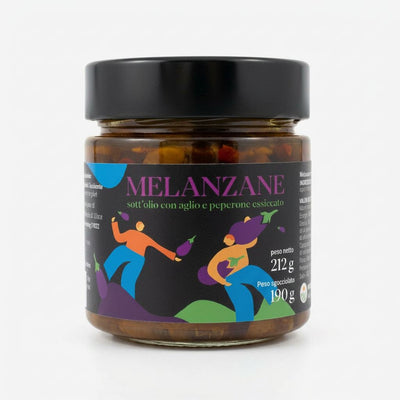
 | From our selection Aubergines in Olive OilHandmade, no preservatives. € 7,90 Discover → |
Melanzane sott’olio are aubergines preserved in olive oil—salted, drained, and scented with herbs until they become one of Italy’s most beloved antipasti. Born in the sun-drenched south, especially Campania and Apulia, this method marries slow craft with bold flavour. Once you’ve tasted a jar you’ve made yourself, you’ll understand why no antipasti board is complete without them. The result is silky, fragrant aubergine that hums with garlic, herbs, and good olive oil.
How are melanzane sott’olio made the classic way?
The classic process is simple but exacting: salt, press, season, and submerge in sterilised jars under a blanket of oil. Skip a step and you risk bland vegetables—or worse, spoiled preserves.
Step 1: Slice and salt the aubergines
Cut the aubergines into thin strips or rounds, shower them with coarse salt, and weigh them down in a colander for at least four to six hours—overnight is even better. This draws out moisture and tempers any bitterness, leaving a firmer texture that later drinks up the oil.
Step 2: Optional blanch in vinegar water
For longer shelf life and a softer bite, blanch the strips for two to three minutes in a mix of water and white-wine vinegar. This gentle acidity adds depth and kills off surface microbes. Drain and pat completely dry before jarring.
Step 3: Layer with herbs and spices
Garlic, peperoncino, mint, or basil are the traditional aromatics, interleaved between layers of aubergine so every slice is evenly scented. In Apulian versions you’ll sometimes find capers for a salty, briny echo.
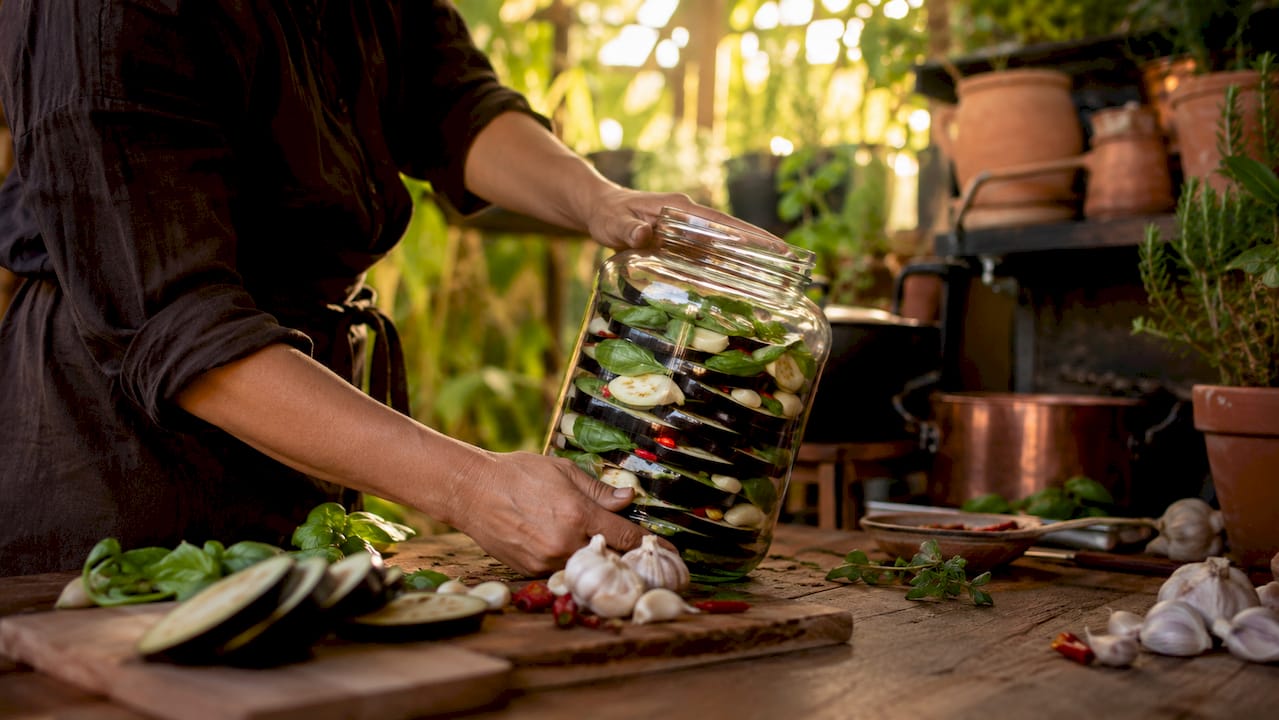
Step 4: Sterilise and fill the jars
Sterilise jars and lids for 15–20 minutes in boiling water, then fill them with the seasoned aubergines. Top up with excellent extra-virgin olive oil until every piece is submerged. Run a wooden skewer around the inside to release trapped air bubbles.
Pro tip: Rinse the inside of each jar with olive oil before filling to prevent dry spots that could let air creep in.
Which styles exist, and how do they differ?
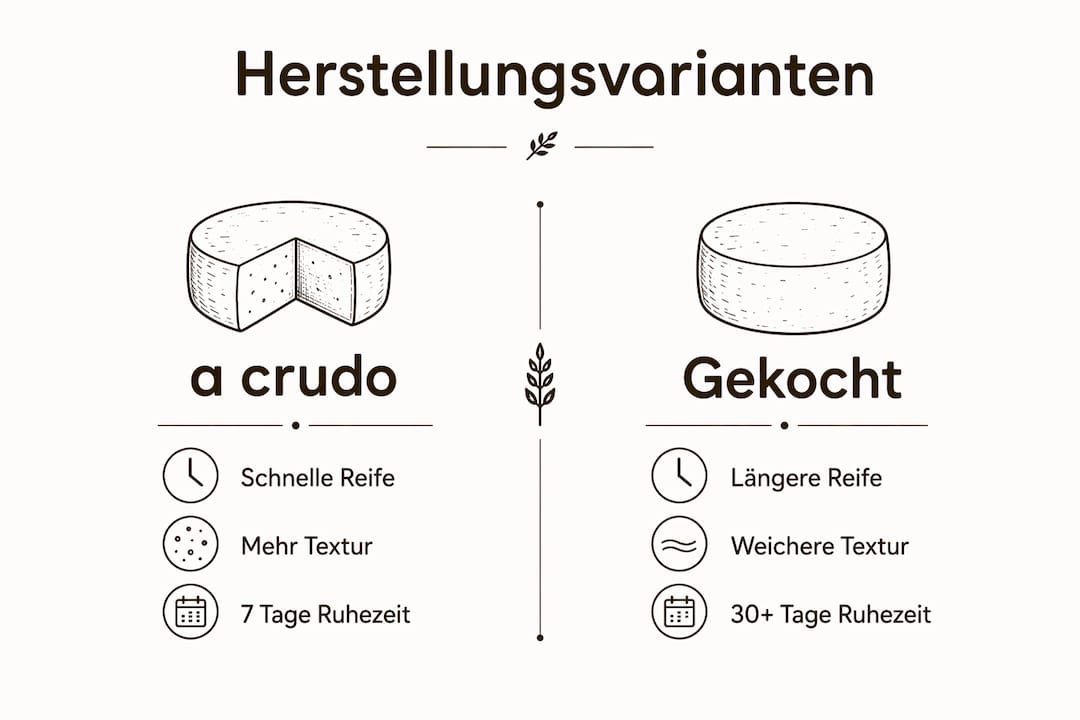
Choosing between the raw (a crudo) and cooked methods is not just a matter of taste; it shapes texture, maturation time, and final flavour. Each path is valid—it simply depends on the time you have and the result you crave.
| Feature | A crudo (no cooking) | Cooked method |
|---|---|---|
| Maturation | about 7 days | at least 30 days |
| Texture | firmer, more bite | softer, silkier |
| Flavour | fresh, herb-forward | deep, rounded, complex |
| Effort | minimal | a little more |
| Shelf life | shorter | longer |
The a crudo route is perfect when you want a quick reward. After a week the herbs have perfumed the oil and the aubergines still have a pleasant chew—ideal for short-term household use.
The cooked route demands patience. A month of quiet ageing lets oil, acidity, and aromatics marry into something velvety and profound. Once you’ve tasted the difference, you’ll never rush the process again.
Safety & quality: what really matters
Home-preserved vegetables in oil are perfectly safe when you follow a few golden rules. Residual moisture is the enemy; it invites mould and is the single biggest cause of failed jars. Master that, and you’re almost home free.
Key safety checklist:
- Sterilise jars: Boil jars and lids for 15–20 minutes, then air-dry on a clean cloth.
- Dry the aubergines thoroughly: After salting and pressing, leave the strips on kitchen paper for 8–12 hours, preferably overnight. This drying step is non-negotiable.
- Keep everything submerged: The oil must always cover every piece. Even a single protruding slice can spell trouble.
- Top up the oil: After a day or two the vegetables shrink and the level drops—refill immediately.
- Store cool and dark: Sealed jars rest at room temperature in the dark; once opened, refrigerate and use within a few days.
Pro tip: Pack the aubergines firmly and run a wooden skewer around the inside to chase out air pockets—an often-skipped step that guarantees even preservation.
If other oil-packed vegetables tempt you, our guide to Zucchini sott’olio follows the same principles.
How to use melanzane sott’olio in the kitchen
These glossy strips are far more than a side note. Serve them as antipasti on their own or piled onto bruschetta and you’ll see why they steal the show. Their versatility makes them a quiet star of the Mediterranean pantry.
Favourite ways to enjoy them:
- Classic antipasto: Lift straight from the jar, arrange on a wooden board, and serve with crusty bread. The fragrant oil doubles as a dip.
- Bruschetta: Rub toasted bread with garlic, layer on the aubergines, and finish with fresh herbs. Effortless perfection.
- Pasta booster: Toss the strips and their oil through hot pasta; the seasoned oil becomes an instant sauce, much like in our olive-oil pasta upgrade.
- Pizza or focaccia topping: Add to a homemade base with mozzarella and tomato for a soft, savoury counterpoint.
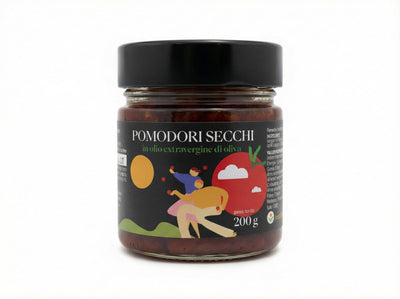
- Antipasti platter: Combine with grilled peppers, sun-dried tomatoes, and olives for a colourful spread that sings of southern Italy. For more inspiration, explore these Italian antipasti ideas.
Never discard the oil left in the jar. It has absorbed garlic, herbs, and the soul of the aubergine—drizzle it over salads, grilled vegetables, or simply mop it up with bread.
Key takeaways
Perfect melanzane sott’olio rest on three pillars: thorough drying, proper sterilisation, and complete oil coverage.
| Point | Details |
|---|---|
| Drying is everything | Salt and air-dry the aubergines for 8–12 hours before jarring. |
| Choose your style | A crudo is ready in 7 days; the cooked style needs at least 30. |
| Don’t skip sterilisation | Boil jars for 15–20 minutes to keep mould and spoilage at bay. |
| Top up the oil | Vegetables shrink after jarring—add more oil so nothing is exposed. |
| Use them everywhere | Antipasti, pasta, bruschetta, or as a finishing oil from the jar. |
What years of making preserves have really taught me
By carmine
I’ve filled countless jars with melanzane sott’olio, and the mistake I see most often is impatience during drying. People salt the aubergines, give them a quick squeeze, and think that’s enough. It isn’t. The invisible moisture is exactly what will ruin the jar later. I let mine rest overnight—sometimes 16 hours if the aubergines are especially plump.
The second point I can’t stress enough: the quality of the olive oil. A mediocre oil gives a mediocre preserve. A fragrant, fruity extra-virgin from Cilento turns the same aubergine into something that tastes of summer and craft. The oil is not a neutral preservative; it is an active flavour carrier.
What many underestimate: maturation is not idle waiting. It is the final, crucial step. Over weeks the oil, acidity, garlic, and herbs fuse into a profile you simply cannot rush. Open a jar after seven days and you’ll think it tastes flat. You’d be right. Wait a month and the jar sings.
My practical tip for home cooks: make your preserves in late summer, when aubergines are abundant and aromatic. Come autumn and winter you’ll have a pantry full of antipasti ready to grace a cheese board or become the most welcome of gifts.
— carmine
Melanzane sott’olio by Minnelea: Cilento tradition in a jar
If you’d rather skip the wait—or simply want to taste how the professionals do it—Minnelea offers an answer you can trust.

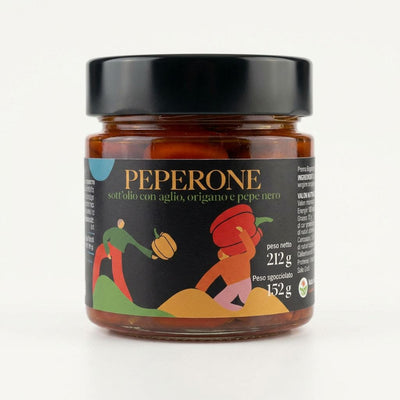
Minnelea crafts traditional melanzane sott’olio in small batches in Cilento, southern Italy, using select aubergines and native extra-virgin olive oil. Every jar follows the same principles laid out here: careful drying, aromatic layering, and patient maturation. To explore the full antipasti line, discover our preserved peppers and other Mediterranean specialities from Cilento.
FAQ
What exactly are melanzane sott’olio?
Melanzane sott’olio are aubergines preserved in extra-virgin olive oil after salting, draining, and seasoning with herbs and spices. They belong to the family of Italian antipasti and are especially beloved in southern Italy.
How long do homemade melanzane sott’olio keep?
When properly sterilised and sealed, jars keep for several months in a cool, dark place. Once opened, refrigerate and use within three to five days.
What’s the difference between the a crudo and cooked versions?
A crudo is ready in about seven days and retains a firmer texture, while the cooked version needs at least 30 days to develop a deeper, rounder flavour.
Which oil is best for preserving aubergines?
A mild, fruity extra-virgin olive oil is ideal. It doesn’t just preserve; it actively shapes the flavour profile of the entire preserve.
Can melanzane sott’olio be made without vinegar?
Yes. The a crudo method skips the vinegar blanch and relies on thorough drying and complete oil coverage instead. Maturation is shorter, texture firmer, and flavour fresher.
Recommendations
- What Are Zucchini sott’olio? Tradition and Preparation – Azienda Agricola Minnelea
- Elevating Pasta with Olive Oil Sauce: How It’s Done – Azienda Agricola Minnelea
- Working with San Marzano Tomatoes: Methods and Recipes – Azienda Agricola Minnelea
- Cilento Tomato Sauce · Traditional Recipe · Minnelea – Azienda Agricola Minnelea