
Mediterranean diet and Anglo-Saxon cooking: what changes on the plate
The Mediterranean diet and the Anglo-Saxon tradition are two different ways of sitting down to eat. The ingredients change, and so do the cooking fat and the way a meal is put together.
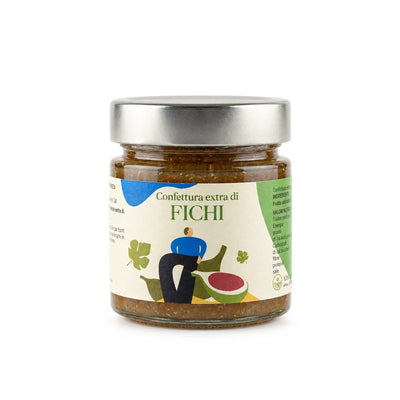
 | From our selection Fig JamHandmade, no preservatives. € 7,90 Discover → |
We compare them without handing out marks: we look at how climate, geography and history have shaped two different cuisines.
The main differences
| Aspect | Mediterranean tradition | Anglo-Saxon tradition |
|---|---|---|
| Cooking fat | Olive oil | Butter and lard |
| Cereals | Bread, pasta, rice | Bread, oats, barley |
| Meat, fish and pulses | Pulses and fish; meat less often | Beef, lamb and pork more often |
| Vegetables | Seasonal, raw and cooked, also as a dish of their own | Alongside the meat: potatoes, peas, carrots, cabbage |
| How the meal is built | Several dishes, in sequence or to share | One plate with meat, potatoes and vegetables |
What the Mediterranean diet is
The word «diet» comes from the Greek díaita, meaning way of life. Here it refers to a way of eating built over time by the peoples of the Mediterranean, with the ingredients of their land.
- Olive oil for dressing and for cooking.
- Bread, pasta and rice as the base of meals.
- Pulses: beans, chickpeas, lentils.
- Seasonal vegetables, raw and cooked, and fruit at the end of the meal.
- Fish, especially on the coast, and meat in smaller amounts.
- Wine with meals.
UNESCO recognition
In 2010 UNESCO inscribed the Mediterranean diet on the list of the Intangible Cultural Heritage of Humanity, for Italy, Spain, Greece and Morocco. In 2013 Cyprus, Croatia and Portugal were added. The recognition concerns practices and knowledge: seasonality, conviviality, ties to the land, recipes handed down.
For Italy, the emblematic community named is the Cilento. In Pioppi, on its coast, the American physiologist Ancel Keys lived and worked for many years.
The Anglo-Saxon tradition
British cooking grew up in a cool, rainy climate unsuited to the olive tree, and it strongly influenced North American cooking. Livestock farming made butter, milk and meat central, while wheat, oats and rye gave bread and porridge.
Typical dishes are the full English breakfast, fish and chips, the Sunday roast and savoury pies filled with meat.
Recipe: pasta e fagioli
This dish brings together pulses, pasta and olive oil. Serves 4. With beans that are already cooked it takes 30 minutes; with dried beans add 12 hours of soaking and about an hour of cooking.
- 200 g dried borlotti beans, soaked for 12 hours, or 400 g cooked
- 200 g mixed short pasta
- 1 onion, 1 carrot, 1 celery stick
- 2 garlic cloves, rosemary to taste
- Extra virgin olive oil, salt, pepper, chilli
- If you use dried beans, cook them in water for about an hour.
- In a pan, gently fry the chopped onion, carrot and celery in the oil, with the garlic and rosemary.
- Add the beans with some of their cooking liquid and mash a third of them into a cream.
- Top up with water, add salt and chilli, bring to the boil and cook the pasta directly in the broth.
- Serve with a drizzle of raw oil and some ground pepper.
Frequently asked questions
Why is the Mediterranean diet UNESCO heritage?
Because for UNESCO it is a heritage of knowledge, rituals and practices. It runs from farming and fishing to cooking and eating together.
What is the main difference from Anglo-Saxon cooking?
The cooking fat: olive oil around the Mediterranean, butter and lard in the Anglo-Saxon world.
Is the Mediterranean diet only Italian?
No. The UNESCO recognition covers seven countries: Italy, Spain, Greece, Morocco, Cyprus, Croatia and Portugal.
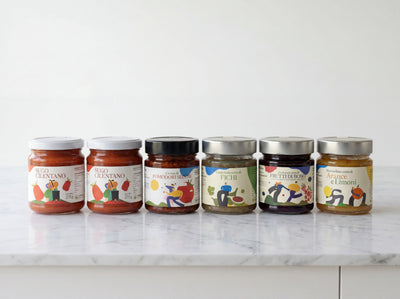
In jars you will find our vegetables in extra virgin olive oil and our tomato sauce with garlic and oregano.