
Premium Italian Fig Preserves Compared: A Guide to Quality
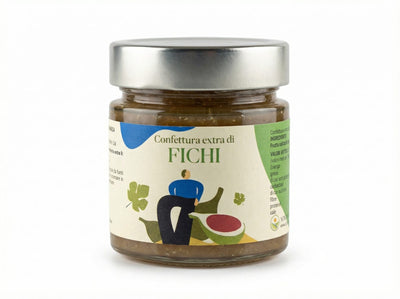
Our recommendation is clear: Minnelea Confettura di Fichi from Cilento, Southern Italy. High fruit content, small-batch artisanal production, and direct shipping to Germany make it the most compelling choice for anyone unwilling to compromise when comparing fig preserves.
- Fruit content: Premium fig preserves contain an average of at least 70%; top-tier products reach 77–85%.
- Organic certification: Particularly worthwhile for figs, as the skin is incorporated into the preserve and pesticide residues can transfer directly into the final product.
- Typical uses: Breakfast bread, cheese board with Pecorino, glaze for meat dishes, gift box.
Table of Contents
- What truly defines a premium fig preserve?
- How do you choose the best Italian fig preserve?
- Minnelea Confettura di Fichi: What's inside this jar?
- Which criteria really matter when comparing?
- How do you best use fig preserve?
- Key insights
- Why Minnelea is my most compelling choice
- Order Minnelea directly: Shipping to Germany
- Useful sources and further reading
What truly defines a premium fig preserve?
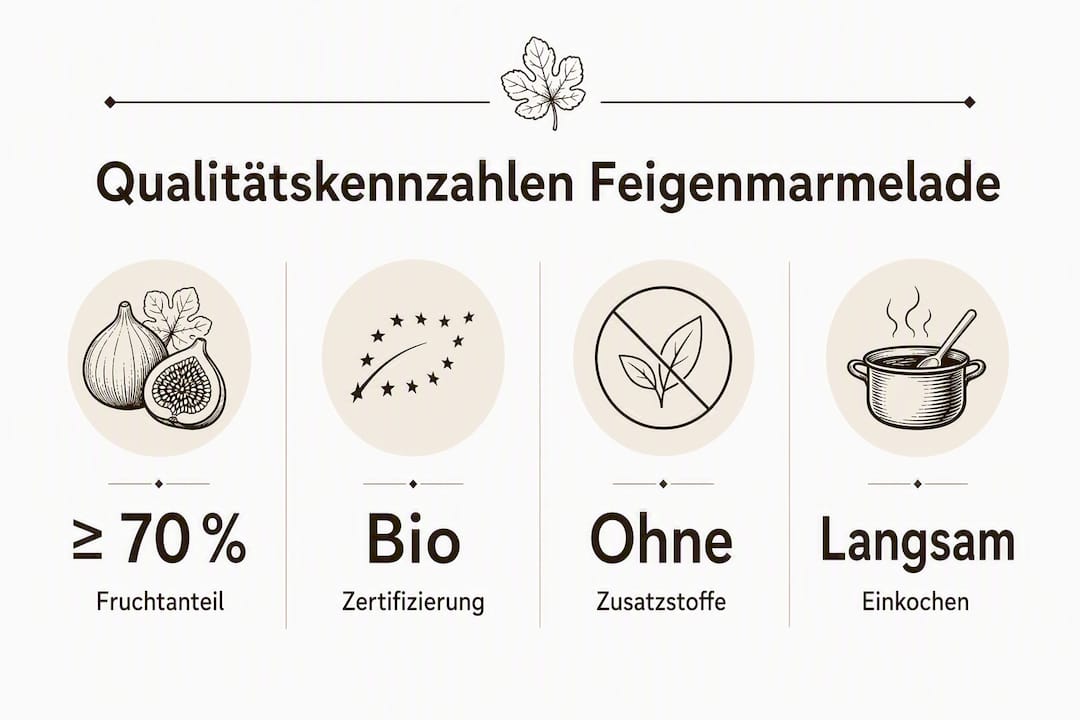
The single strongest quality indicator is fruit content. Comparative tests show that premium products achieve 77–85% fruit content, while standard spreads often settle at 50–60%. A higher proportion means more intense fig aroma, less sweetness from added sugar, and a naturally chunky texture.
Fruit content as the benchmark: Fig preserves average at least 70% fruit content. Top-tier artisanal products reach 77–85%, while standard products often only manage 50–60%.
Production methods. Artisanal producers cook slowly and gently, without rapid-cooking techniques or industrial pectin additions. Many artisan makers use only fruit and sugar, omitting pectin and citric acid entirely. The result: a confettura that tastes of fig, not gelling agent.
Ingredients and additives. A short ingredient list is a good sign. Raw cane sugar or cane sugar instead of glucose syrup, no invert sugar, no synthetic pectin. An organic product like Olio Pace explicitly promises at least 67.14% organic figs without pectin or artificial preservatives as a quality guarantee.
Organic vs. conventional. With figs, organic is particularly relevant because the skin is cooked into the preserve. Pesticide residues on the skin end up directly in the finished product. Organic certification here guarantees not only purity but can also improve sensory quality: less bitterness, finer skin texture.
Reading labels correctly. Look for the statement "X g fruit per 100 g finished product" rather than just the percentage. San Vicario, for example, states 90 g fruit per 100 g final product, which increases transparency. The EU label "extra jam" requires at least 45 g fruit per 100 g; anything above this is a quality feature.
Pro tip: Take a small spoonful neat, without bread. First, observe the color: deep amber to dark brown indicates caramelized fig notes. Then the texture: pieces should be perceptible but not woody. Finally, the sweetness: it should carry the fig, not mask it.
How do you choose the best Italian fig preserve?
A structured checklist helps you decide quickly at the delicatessen or online shop. Those seeking authentic Italian delicacies should tick off these points:
- At least 70% fruit content? Stated on the label as a percentage or as "X g fruit per 100 g".
- Organic certification present? Particularly relevant for figs due to the skin.
- No artificial gelling agents? Check the ingredient list: pectin from natural sources is acceptable, synthetic binders are not.
- Origin stated? Cilento, Sicily, Calabria: regions with long fig-growing traditions. Vague "Southern Europe" indications are a warning sign.
- Type of sugar? Raw cane sugar or cane sugar instead of glucose syrup or invert sugar.
Typical price ranges in Germany (per 250–320 g jar):
- Basic supermarket quality: €2–4
- Mid-range, organic or regional: €4–7
- Artisanal premium confettura from Italy: €7–14
A higher price generally buys more fruit, smaller batches, and more elaborate processing. Not always, but usually.
Red flags when buying: missing fruit content declaration, "flavoring" in the ingredient list, glucose syrup as the second ingredient, no indication of production location or method.
Where to buy? Delicatessens, well-stocked gourmet online retailers, and direct shipping from Italian artisan producers are the most reliable sources. When importing from Italy within the EU, no customs duties apply; shipping costs vary by supplier and order quantity.
Pro tip: When ordering directly from Italian producers, always buy at least two jars. The shipping cost per jar drops significantly, and you'll have one ready to gift.
Minnelea Confettura di Fichi: What's inside this jar?
Minnelea Confettura di Fichi comes from Cilento, one of the most biodiverse natural parks in Southern Italy, where figs have been cultivated for centuries. Minnelea produces in small batches, with regional ingredients and according to traditional preserving methods. The result is a confettura positioned as an exceptional fig preserve: artisanal, with no compromises on raw materials.
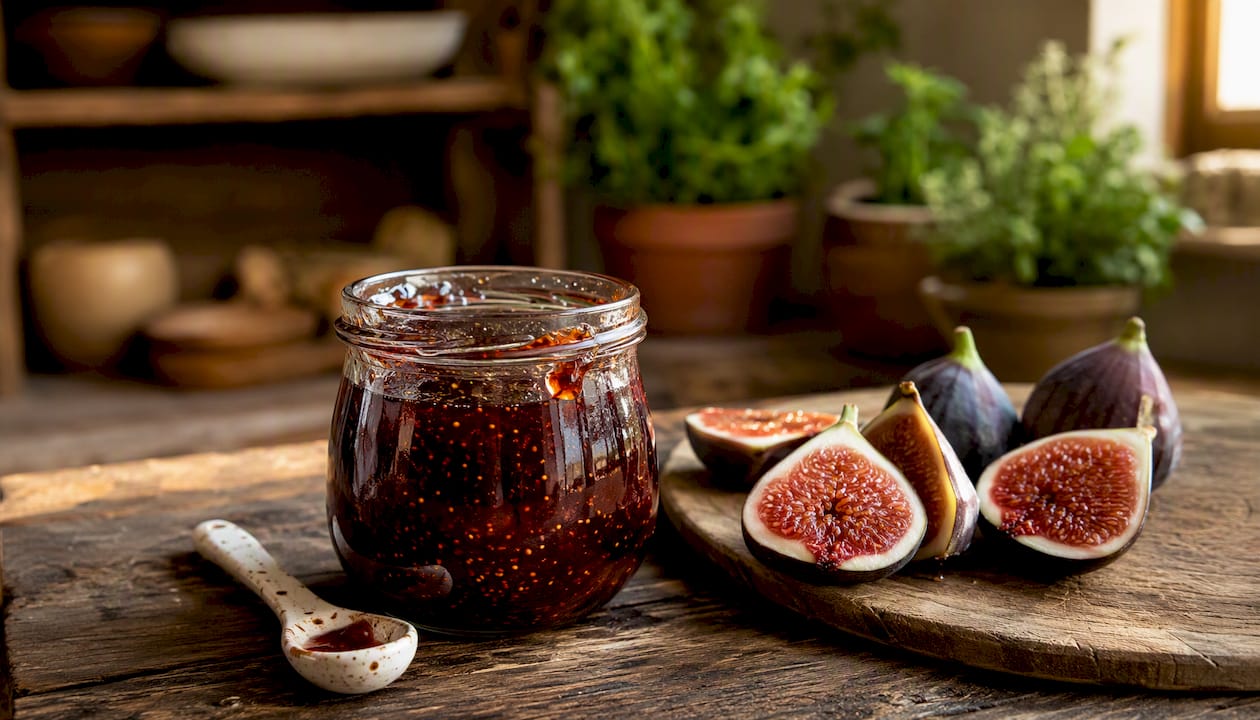
Tasting notes. The sweetness is balanced, not one-dimensional. Caramelized notes from the long, slow cooking meet the natural savoriness of ripe Cilento figs. The texture is velvety with perceptible fruit pieces, indicating gentle processing. No intrusive sugary taste that would overpower the fig aroma.
Ingredients and fruit content. Minnelea emphasizes small batches, regional ingredients, and authentic recipes. The ingredient list is short: figs, sugar, no synthetic pectin. Those familiar with the variety of Italian confettura will immediately recognize the difference from industrially produced spreads.
Packaging and gift quality. The jar is elegantly designed, the label clearly states origin and ingredients. For gourmet gifts and breakfast sets, this is one of the few options that convinces visually as well.
Availability. Minnelea delivers directly to Germany through its own online shop. Individual jars and gift sets are available.
Pro tip: Check the label for jar size and fruit content. With Minnelea, both are clearly visible. A jar without this information should make you skeptical.
Which criteria really matter when comparing?
When comparing several Italian fig preserves side by side, you need clear axes. This table shows how to evaluate the most important characteristics:
| Criterion | Excellent | Good | Standard |
|---|---|---|---|
| Fruit content | ≥ 70% | 65–69% | < 65% |
| Organic certification | Yes, EU organic | Yes, national | No |
| Type of sugar | Raw cane sugar | Cane sugar | Glucose syrup |
| Gelling agent | None / natural pectin | Natural pectin | Synthetic pectin |
| Region of origin | Named region (e.g., Cilento) | Southern Italy generally | Unknown |
| Price per 250–320 g | €7–14 | €4–7 | €2–5 |
| Availability in Germany | Direct shipping + delicatessen | Online retailers | Supermarket |
| Packaging | Gift quality | Solid | Basic |
For a quick assessment: Enter three to five candidates against these axes. Products that fall into "Standard" in more than three categories are unsuitable for premium aspirations. Artisanal small-batch processing is not a marketing promise but a measurable characteristic: short ingredient list, named origin, recognizable chunkiness.
A concrete comparison example: L'Epicurien achieves 65% fruit content and a test score of 1.8 in independent tests. That's good, but below what premium products with at least 70% fruit content can offer.
How do you best use fig preserve?
Fig preserve is more versatile than its reputation as a breakfast spread suggests. We prefer it in three ways:
Classic pairings:
- Pecorino or Parmigiano Reggiano: The sweetness of the fig balances the saltiness and savoriness of robust hard cheeses. This is probably the best-known combination, and it works every time.
- Prosciutto crudo on crostini: A dollop of fig preserve on toasted bread with paper-thin ham. Here the preserve sings in accompaniment, not as a soloist.
- Ricotta crostini: Fresh ricotta on toast, topped with a spoonful of fig preserve. Ready in five minutes, impressive with guests.
Simple recipe idea: Fig glaze for lamb chops
- Mix two tablespoons of fig preserve with one tablespoon of balsamic vinegar and some fresh rosemary.
- Brush lamb chops with this in the final minute of grilling.
- Let caramelize briefly. The sweetness of the fig and the acidity of the balsamic perfectly complement the meat.
Storage. Keep opened jars in the refrigerator and consume within four to six weeks. If you're planning the preserve as a gift: unopened and stored cool, it typically keeps for 18–24 months.
Pro tip: Fig preserve works excellently as a base for salad dressings. Whisk a teaspoon with olive oil, lemon juice, and a touch of mustard. It adds depth without tasting obtrusively sweet.
Those seeking more inspiration on preserve pairings and usage ideas will find additional recipes and combination suggestions on the Minnelea blog.
Key insights
Fruit content is the most reliable quality indicator when buying premium Italian fig preserve: products with at least 70% fruit content, named region of origin, and short ingredient list belong in a quality class of their own.
| Topic | Details |
|---|---|
| Fruit content is decisive | At least 70% fruit content separates premium from standard; top products reach 77–85%. |
| Organic pays off with figs | The skin is incorporated; organic certification reduces residues and improves texture. |
| Short ingredient list | Figs, sugar, no synthetic pectin: a good confettura needs nothing more. |
| Origin as quality feature | Named regions like Cilento stand for specific aroma characteristics and traceability. |
| Minnelea as buying recommendation | Artisanal Cilento confettura in small batches, ready for direct shipping to Germany. |
Why Minnelea is my most compelling choice
Most articles about fig preserves end with a long list of products and the suggestion that "they're all good." That helps no one. Those who truly compare quickly notice: the difference between an artisanal confettura from a named region and a mass-produced product with 55% fruit content is not marginal. It is fundamental.
What convinces me about Minnelea is not the marketing, but the consistency. Small batches, regional raw materials from Cilento, no long ingredient lists with fillers. These are not promises, these are verifiable characteristics. Minnelea describes its products with a clarity that many competitors lack: origin, method, ingredients.
And then there is the question of gift quality. A fig preserve you give someone should tell a story visually and haptically as well. The jar, the label, the packaging: with Minnelea, the overall impression is right. This is not a detail, but part of the experience. Anyone who has ever opened a beautiful gourmet jar and known that real craftsmanship lay behind it understands what I mean.
For those who make their own fig preserve or want to understand the difference from a purchased jar: the comparison is worthwhile. And it usually favors the artisanal option.
Order Minnelea directly: Shipping to Germany
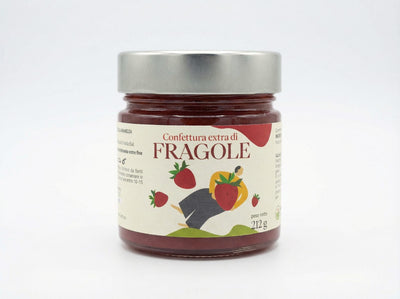
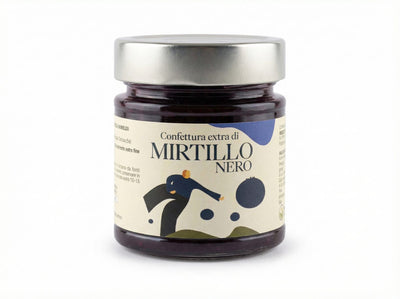
Those who know what they want after reading this comparison need not search long. Minnelea delivers its artisanal confettura from Cilento directly to Germany. In the online shop, alongside fig preserve, you'll find other specialties including wild berry confettura from Cilento and Mediterranean antipasti in extra virgin olive oil.
Gift boxes and selection sets are equally suitable for gourmet gifts, corporate gifts, and breakfast sets. Those planning gourmet gifts will find information on gift sets and shipping options for the German market at Minnelea. Shipping costs and delivery times are transparently displayed in the shop. Visit the Minnelea online shop directly and choose your jar.
Useful sources and further reading
The following sources have substantiated the statements in this article and offer further information on fruit content, production methods, and product profiles:
- Fig Preserve Test & Comparison, vergleich.org — Fruit content data and product overview for the German market.
- Which Italian confettura for whom? Minnelea Blog — Overview of varieties and product positioning by Minnelea.
- Fig preserve: exceptional specialty, Minnelea Blog — Background article on fig preserves and gift quality.
- Make your own fig preserve or buy, Minnelea Blog — Comparison homemade vs. artisanal purchased; notes on ingredients and methods.