
Preserved Peperoni: Methods, Heat, and Storage
 | From our selection Arrabbiata SauceHandmade, no preservatives. € 5,00 Discover → |
Preserved peperoni are fresh peppers conserved through pickling in vinegar, oil, or brine to preserve their flavor and heat indefinitely. This method belongs to the classical pantry tradition of the Mediterranean and is currently experiencing a genuine renaissance in kitchens everywhere. Once you've tasted homemade preserved peppers, you immediately understand why: the aroma is more vibrant than industrial products, the heat can be controlled to your preference, and when stored properly, they keep for up to 12 months. This guide explains how preserving works, which method yields which flavor profile, and what truly matters for hygiene and storage.
What Are Preserved Peperoni and How Do the Methods Differ?
Preserved peperoni are peppers made shelf-stable through a preserving medium. The medium determines the flavor, texture, and keeping qualities. Three methods have proven themselves over time: vinegar pickling, oil preservation (sott'olio), and fermentation in brine.
Vinegar Pickling: Bright and Fresh
In vinegar pickling, the peppers are submerged in a brine of vinegar, water, salt, and sugar. The result is tangy, fresh, and crisp. White wine vinegar or apple cider vinegar work particularly well because they don't overpower the peppers' natural character. Vinegar pickling offers rapid preservation with a clean, bright flavor profile that pairs beautifully with sandwiches and antipasti. Those preferring milder acidity can reduce the vinegar ratio in the brine and use more water.
Sott'Olio: Mediterranean and Aromatic
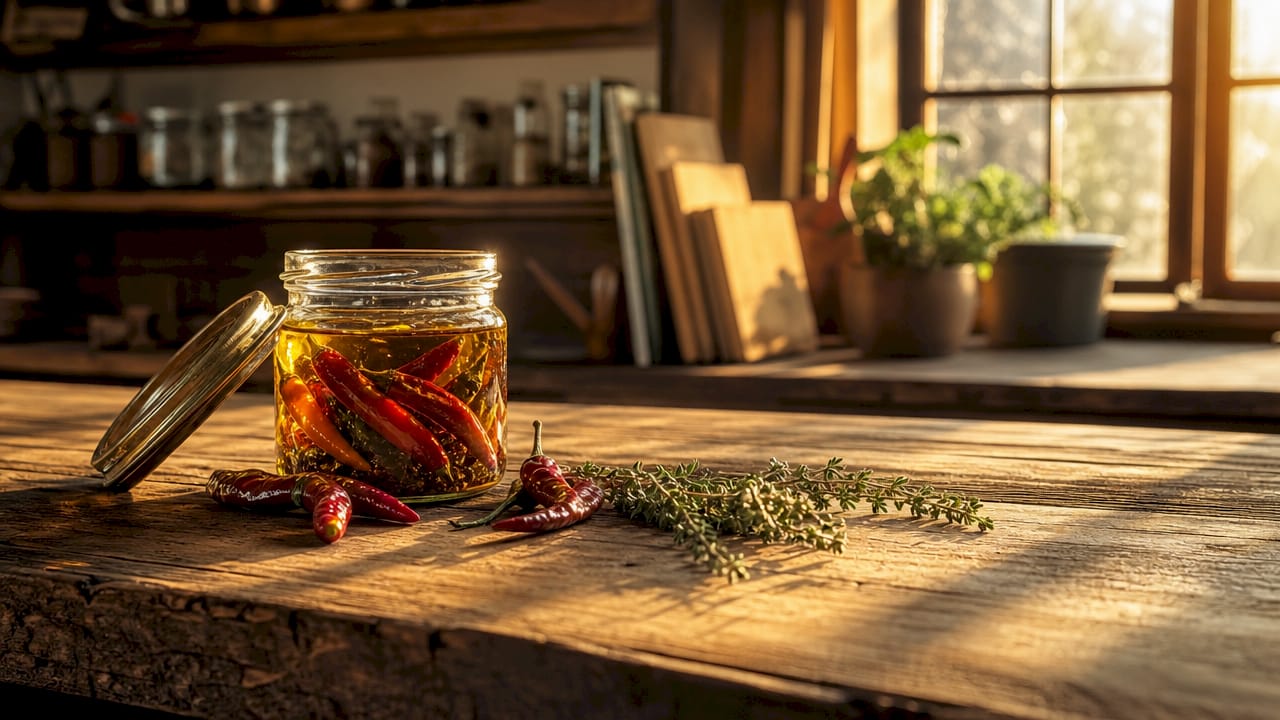
For sott'olio, peperoni are often briefly blanched or pre-cooked in vinegar before being submerged in oil. The oil protects against air while simultaneously imparting its own aroma. Fine extra virgin olive oil lends a Mediterranean character, while neutral oils like rapeseed allow the peppers' own seasoning to shine. Garlic, rosemary, or dried oregano seem to sing in this oil. The result is mellow, rounded, and deeply aromatic.
Brine: Fermented and Complex
The brine method is the oldest of the three. The peppers are submerged in a solution of water and salt and ferment at room temperature. Brine creates through fermentation a savory, complex depth unattainable with vinegar. The process takes longer, but rewards those who appreciate a living, probiotic product.
Pro tip: Turkish peperoni preserve particularly well using the brine method. The long, slender peppers absorb the brine quickly and develop a savory aroma reminiscent of classic Turkish mezze.
The following table summarizes the key differences at a glance:
| Method | Flavor | Aging Time | Shelf Life |
|---|---|---|---|
| Vinegar | tangy, fresh | 2–4 weeks | up to 12 months |
| Oil | mild, Mediterranean | 2–3 weeks | up to 12 months |
| Brine | savory, fermented | 2–3 weeks | up to 12 months |
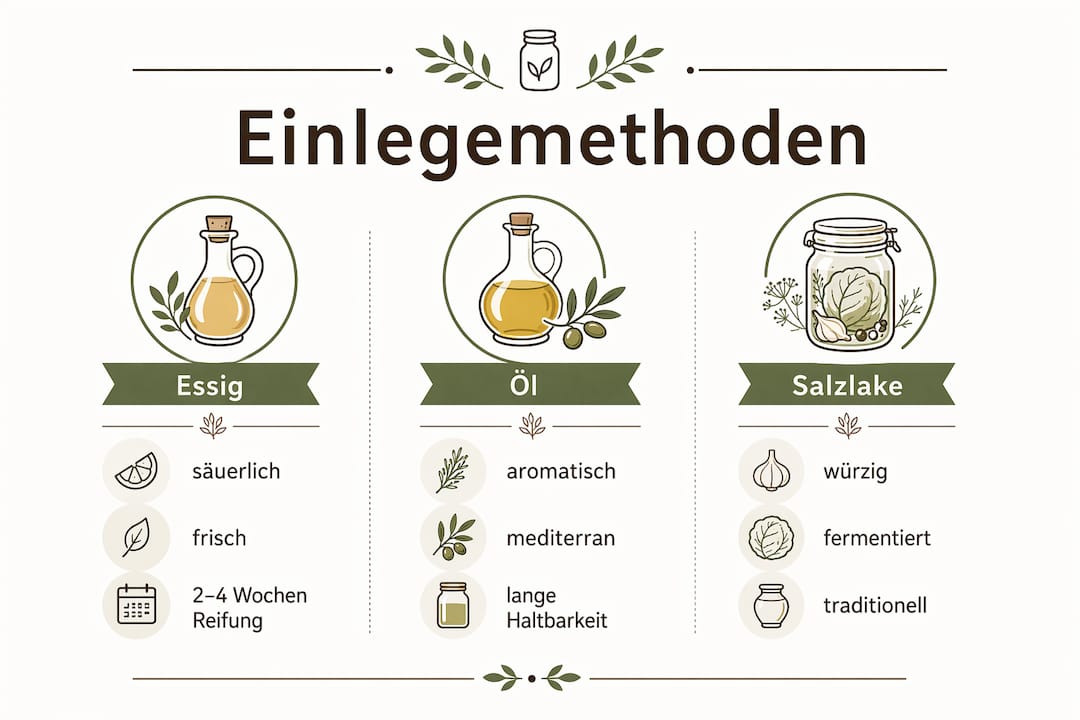
All three methods require at least 2–4 weeks of aging for the full aroma to develop. Those who open too early miss the best.
How Does Preserving Affect the Heat of Peperoni?
Preserving noticeably mellows the heat of peperoni. The acetic acid interferes with the peppers' metabolism and partially breaks down capsaicin, the compound responsible for heat. By removing seeds and through the preserving process, the heat can be adjusted to taste. This is a genuine advantage over freezing, which leaves heat largely unchanged.
Those wishing to control heat levels have several options:
- Remove seeds: Most capsaicin compounds reside in the seeds and white pith. Removing both significantly reduces heat.
- Pierce the peppers: Multiple piercings before preserving improves flavor penetration and ensures the preserving medium reaches deep into the pepper.
- Blanch: Brief blanching in boiling water further mellows heat, though it slightly alters texture.
- Choose your method: Vinegar preservation reduces heat most dramatically. Oil preservation maintains it better. Brine falls somewhere in between.
Pro tip: If you prefer mild peperoni from the jar, remove all seeds and preserve in a vinegar-water brine with a 1:2 ratio. The result is pleasantly savory without the burn.
Heat, then, is not a fixed characteristic. It is the result of variety, preparation, and method. Understanding this allows you to craft the finished product precisely to your taste.
What Hygiene Rules Apply When Preserving Peperoni?
Cleanliness in preserving is not optional—it is essential. Mold and bacteria almost always result from errors in sterilization or jar filling. Jars and lids must be sterilized for at least 10 minutes in boiling water or 15 minutes at 130°C in the oven. After sterilization, jars must not be touched inside with bare hands.
The essential steps for safe storage:
- Sterilize jars: Treat jars and lids in boiling water or in the oven at 130°C.
- Work dry: Let jars drain on a clean cloth after sterilization—do not wipe.
- Complete coverage: Peperoni must be completely submerged in liquid to prevent air contact.
- Seal tightly: Screw lids on immediately after filling and invert jars to create a vacuum.
- Store cool and dark: Cellars or pantries are ideal. Direct sunlight accelerates quality loss.
The following table summarizes recommended storage conditions:
| Condition | Storage Location | Shelf Life |
|---|---|---|
| Unopened | cool, dark | up to 12 months |
| Opened | refrigerator | 1–2 weeks |
| Without liquid | not recommended | severely shortened |
After opening, preserved peperoni should be consumed within 1–2 weeks. Keeping the peppers fully submerged in liquid significantly extends freshness in the refrigerator. Minnelea explains more about proper storage of preserves in a dedicated article.
How to Use Preserved Peperoni in the Kitchen?
Jarred peperoni are more versatile than many realize. They bring acidity, heat, and depth to dishes that would otherwise taste flat. And they are ready to use immediately, with no further preparation required.
Here are the best applications:
- Antipasti platter: Preserved peperoni belong on every Mediterranean antipasti platter, alongside olives, cheese, and toasted bread. The acidity of the vinegar variety cuts through rich cheeses like Pecorino or Provolone.
- Sandwiches and wraps: A handful of preserved peppers elevates a simple sandwich to another level. Particularly excellent with mortadella or grilled vegetables.
- Pasta and risotto: Finely chopped jarred peperoni give pasta sauces a savory note without needing fresh chili. In a risotto with goat cheese, they act as a counterpoint.
- Salads: In a bean salad or lentil dish, they bring freshness and bite. Combined with fine olive oil and fresh herbs, they create a complete dish.
- Grill accompaniments: Alongside grilled meat or fish, they are a classic southern Italian side. The acidity perfectly balances the smokiness of the grill.
Those seeking inspiration for Mediterranean antipasti will find artisan preserved peperoni from Cilento at Minnelea, demonstrating what the finest quality can achieve.
Step by Step: A Simple Recipe for Preserving Peperoni
The following basic recipe works for vinegar pickling and is easily adapted. Peperoni should be washed, stems removed, and seeded or sliced as desired before preserving. Preparation determines the texture and heat of the finished product.
- Prepare peperoni: Wash peppers, remove stems, and seed if desired. Those wishing to preserve heat leave seeds intact. Pierce peppers multiple times with a fork.
- Prepare brine: Bring 500 ml white wine vinegar, 250 ml water, 1 tbsp salt, and 1 tsp sugar to a boil. Add spices of choice: bay leaf, peppercorns, garlic cloves.
- Sterilize jars: Sterilize jars and lids for 10 minutes in boiling water. Let drain on a clean cloth.
- Fill jars: Pack peperoni tightly into jars. Pour hot brine over until all peppers are completely covered. Leave no air bubbles.
- Seal and age: Screw lids on tightly, briefly invert jars. Store cool and dark. Wait at least 2 weeks, preferably 4 weeks, before opening the first jar.
Pro tip: For sott'olio with particularly rounded aroma, pay attention to the quality of the olive oil. A fine cold-pressed oil from the Mediterranean makes the difference between good and exceptional results.
This recipe works with Turkish peperoni, banana peppers, or classic red pointed peppers. Each variety brings its own aroma and heat level.
Key Takeaways
Preserved peperoni succeed best when method, preparation, and hygiene are aligned.
| Topic | Details |
|---|---|
| Choose method | Vinegar for brightness, oil for aroma, brine for fermented depth. |
| Control heat | Remove seeds and pierce peppers to influence heat and flavor penetration. |
| Maintain hygiene | Sterilize jars and keep peperoni completely submerged to prevent mold. |
| Respect aging time | Wait at least 2, preferably 4 weeks for full flavor development. |
| Storage after opening | Keep opened jars refrigerated and consume within 1–2 weeks. |
What I've Learned After Years of Preserving
I long believed that the method was what mattered most. Vinegar or oil, fermented or not. But that's not quite right. What truly counts is the quality of the peperoni themselves.
Those who begin with unripe or flavorless peppers end up with preserved disappointment. Good raw material is half the battle. I buy my peperoni at the weekly market when they are fully ripe and firm, usually in August or September.
The second mistake I used to make: opening too early. Waiting four weeks feels long. But the difference between two weeks and four weeks is enormous. The aroma becomes rounder, the acidity softer, the spices integrate.
And something hardly anyone mentions: jar size. Small 200–300 ml jars are more practical than large ones because you don't feel pressured for time after opening. I now use almost exclusively small jars. It sounds trivial, but it has genuinely transformed my daily experience with preserved products.
— carmine
Mediterranean Antipasti from Minnelea: Artisan and Aromatic
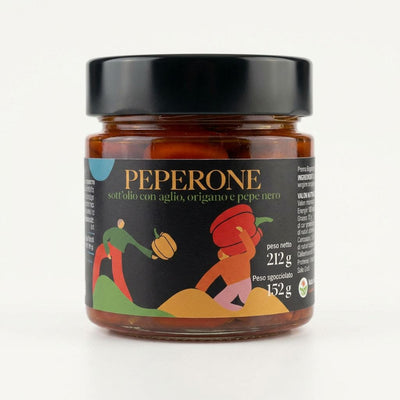
Those who appreciate the craft of preserving but don't always wish to do it themselves will find an honest alternative at Minnelea. The peperoni in olive oil from Cilento are processed by hand in small batches, with selected ingredients from southern Italy and no compromise on aroma.

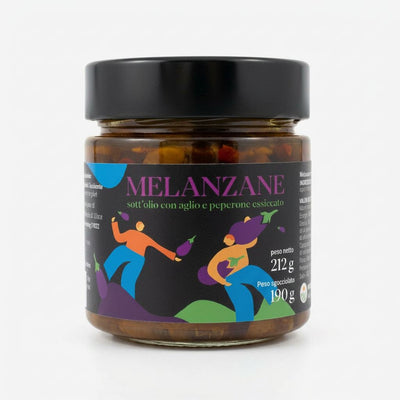
Minnelea stands for what good preserving is all about: ripe raw material, artisanal care, and recipes passed down through generations. Alongside the peperoni, Minnelea also offers eggplant in olive oil and further antipasti specialties from Cilento that belong on every well-appointed table.
FAQ
What exactly are preserved peperoni?
Preserved peperoni are fresh peppers made shelf-stable through pickling in vinegar, oil, or brine. They preserve flavor and heat and, when properly prepared, keep for up to 12 months.
How long do preserved peperoni need to age?
At least 2 weeks, preferably 4 weeks. Only after this aging time have the spices and preserving medium developed their full aroma.
Can you influence the heat when preserving?
Yes. Removing seeds and piercing peppers significantly reduces heat. Vinegar preservation mellows heat more than oil preservation.
How long do opened preserved peperoni keep?
After opening, they should be refrigerated and consumed within 1–2 weeks. The peppers must always remain completely submerged in liquid.
What is the difference between preserving Turkish peperoni and classic recipes?
Turkish peperoni are longer and thinner, absorb brine more quickly, and are particularly well-suited to the brine method. Classic recipes often use shorter, fleshier varieties better suited to vinegar or oil preservation.
Recommended
- Cilento Peppers in EVOO · Mediterranean Antipasto · Minnelea – Azienda Agricola Minnelea
- Working with San Marzano Tomatoes: Methods and Recipes – Azienda Agricola Minnelea
- Proper Storage of Preserves in the Fine Food Trade – Azienda Agricola Minnelea
- Cilento Eggplant in EVOO · Artisan Antipasto · Minnelea – Azienda Agricola Minnelea