
Marmellate monodose per hotel e colazioni: formati, costi e quando conviene il vasetto
Share
Chi gestisce un hotel, un B&B o un agriturismo arriva prima o poi alla stessa domanda: marmellate monodose o vasetti da tavola? La risposta non è uguale per tutti, e dipende da tre numeri che ogni struttura conosce — coperti a colazione, prezzo camera, e quanto la colazione pesa nelle recensioni.
I formati monodose che trovi sul mercato
Le marmellate monodose per la ristorazione si dividono sostanzialmente in tre formati:
- Vaschetta da 20-25 g in plastica con coperchio in alluminio. È il formato più diffuso negli hotel, il più economico al pezzo, il più veloce da servire.
- Vasetto in vetro da 28-45 g, la cosiddetta "mini marmellata". Costa di più, ma resta in mano all'ospite come oggetto, non come rifiuto.
- Bustina monoporzione da 15-20 g, tipica del catering e del servizio in camera.
Il vantaggio della monodose è oggettivo e va detto: porzionatura certa, nessuno spreco per contaminazione, igiene semplice da documentare in autocontrollo, zero gestione del prodotto aperto.
Perché sempre più strutture stanno tornando al vasetto
Il cambio di rotta degli ultimi anni ha tre motori.
Il primo è normativo e reputazionale. La riduzione della plastica monouso nel servizio è diventata un tema che gli ospiti notano: una colazione con dodici vaschette di plastica sul tavolo comunica l'opposto di quello che comunica una struttura che si racconta come sostenibile.
Il secondo è la qualità del contenuto. La monodose industriale nasce per costare poco ed essere stabile a lungo: quasi sempre significa percentuali di frutta basse, pectine aggiunte, aromi. Un vasetto artigianale con alta percentuale di frutta è un prodotto diverso, e si sente al primo cucchiaino.
Il terzo è il posizionamento. Nelle strutture sopra una certa fascia di prezzo, la colazione è uno dei tre elementi più citati nelle recensioni. Un vasetto con il nome di un produttore riconoscibile è un contenuto narrabile — da dove viene la frutta, chi la lavora — che una vaschetta anonima non può offrire.
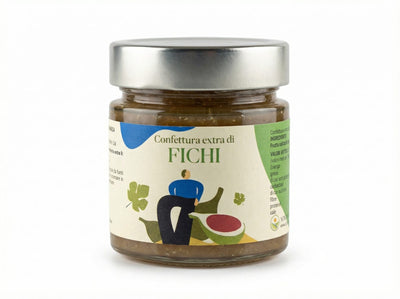
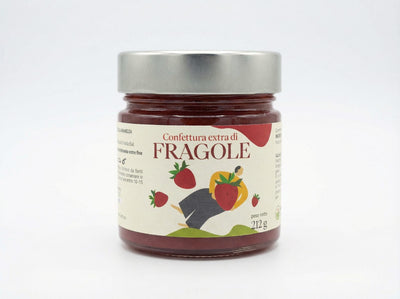
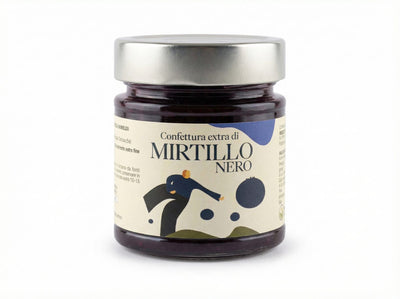
Se preferisci il vasetto già fatto, guarda le marmellate extra di agrumi del Cilento.
Il conto vero: costo per coperto
Il confronto onesto non è "prezzo al chilo", è costo per coperto servito. La monodose ha un costo per porzione noto e fisso. Il vasetto da tavola ha un costo per porzione più basso a parità di grammatura, ma introduce due variabili: la porzione media effettiva (che tende a essere più generosa) e la gestione del prodotto aperto.
La regola pratica che funziona nella maggior parte delle strutture piccole e medie: vasetto sui tavoli o al buffet presidiato, monodose solo per il servizio in camera e i cestini da asporto. Si tiene il controllo igienico dove serve e la qualità percepita dove viene vista.
Se scegli il vasetto: cosa chiedere al fornitore
- Percentuale di frutta reale, non la dicitura "extra" e basta: dal 14 giugno 2026 "extra" richiede almeno 50 g di frutta per 100 g di prodotto (Direttiva UE 2024/1438), ma tra 50 g e 130 g di frutta su 100 g c'è un abisso di gusto.
- Lista ingredienti corta. Frutta, zucchero, succo di limone. Pectine e conservanti aggiunti sono il segnale che il prodotto è costruito per il costo, non per il sapore.
- Continuità di fornitura e lotti: chi lavora frutta di stagione ha disponibilità che cambiano nell'anno. Va pianificato, non subìto.
- Formato del vasetto. Il 212 g funziona bene sui tavoli di sala; per il buffet presidiato molte strutture preferiscono formati più grandi con dosatore.
- Possibilità di personalizzazione dell'etichetta, se la struttura vuole il proprio nome sul vasetto.
E se ti serve la monodose personalizzata?
Minnelea non produce marmellate monodose: lavoriamo il vasetto in vetro da 212 g con cottura sottovuoto a bassa temperatura, senza pectine né conservanti aggiunti. Per le strutture ricettive e la ristorazione seguiamo due strade — fornitura diretta dei vasetti da tavola, oppure private label con la vostra etichetta.
Se stai valutando la colazione della tua struttura, può interessarti anche la guida alle confetture artigianali per il canale horeca. Per assaggiare prima di decidere, il punto di partenza sono le confetture e marmellate artigianali in vasetto.
La marmellata è solo una voce della colazione: come si sceglie il fornitore per tutto il resto — pezzature, prezzo reso, capitale fermo — lo abbiamo messo in fila nella guida alle forniture alimentari per bar e ristoranti.
Domande frequenti
Quante marmellate monodose servono per coperto a colazione? La media di consumo si colloca tra 1,5 e 2 porzioni per ospite, con picchi nelle strutture con clientela nordeuropea. È il numero da cui partire per confrontare i costi.
Le mini marmellate in vetro sono riciclabili? Sì, il vetro e la capsula metallica sono riciclabili separatamente, a differenza della vaschetta plastica-alluminio accoppiata che finisce quasi sempre in indifferenziata.
Un vasetto aperto quanto dura in servizio? Una confettura artigianale senza conservanti, tenuta in frigorifero e prelevata con posate pulite, si conserva circa 20 giorni. In un servizio colazione con rotazione normale il vasetto si esaurisce molto prima.
Tutta la gamma in un posto: prodotti artigianali del Cilento.