
Apricots: season, how to choose them and how to use them, fresh and as jam
The most common mistake with apricots is buying them still hard, hoping they'll ripen at home. They get softer, but not sweeter: unlike some other fruits, apricots build up their sugars mainly while still on the tree. That's why those picked unripe often stay mealy and without scent.
When they're in season
In Italy from late May to early August, peaking in June and July: first the early varieties from the South, then the late ones from the Centre and North. Outside this window you'll find almost nothing but imported or dried apricots.
How to choose them: 4 signs
- Deep orange colour, sometimes with a rosy blush on one side; no green patches near the stem.
- Scent you can already smell from a distance.
- Texture: they give slightly under your finger without being soft.
- Unbroken skin, with no bruises.
How to store them
Ripe ones in the fridge for 2–3 days; firmer ones at room temperature, in a paper bag, for a day. They freeze well halved and stoned, for cakes and compotes.
How to use them in the kitchen
- Fresh: with yogurt and almonds, or with a fresh goat's cheese.
- Baked: halved, with a little sugar and a sprig of thyme, 15–20 minutes at 180 °C.
- In desserts: in a crostata, in fruit cakes, and to glaze tarts (what Italian pastry chefs call albicoccatura).
- In savoury dishes: with roast pork or duck.
Apricot jam
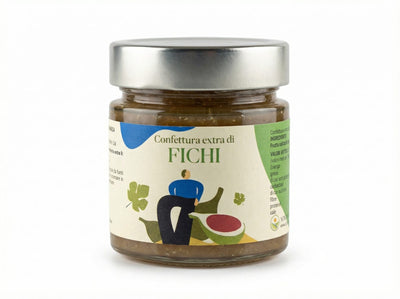
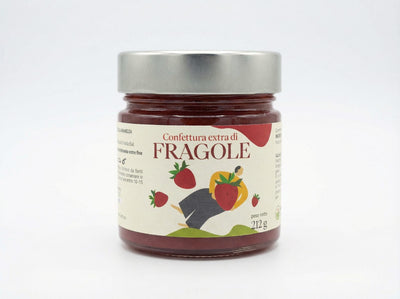
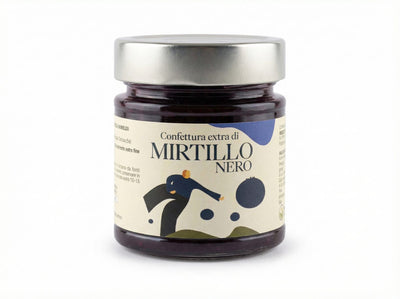
Out of season, the best way to enjoy the flavour of apricots is a jam with plenty of fruit. Ours is made with apricots picked ripe, cane sugar and lemon juice: 70% fruit, 130 g of apricots for every 100 g of jam, no pectin, cooked under vacuum at low temperature. 212 g jar; once opened, keep in the fridge and eat within 7 days.
 |
From our range
Apricot extra jam70% fruit, no added pectin.
€ 7,90
Discover →
|
It's the classic filling for a crostata, the Italian jam tart.
Frequently asked questions
Do apricots ripen outside the fridge?
They get softer and more fragrant, but not sweeter. It's best to buy them already ripe.
What's the difference between apricot jam and marmalade?
Under EU rules, “marmalade” is reserved for citrus fruit, so apricots make jam. In everyday Italian, though, marmellata and confettura are used as if they meant the same thing.
Is the apricot kernel the same as the apricot?
No. The kernel – armellina in Italian – is the seed inside the apricot stone, used in pastry for its bitter-almond flavour. It isn't the fruit.
All our jams: Jams collection.