
Ricotta Salata: What Is Salted, Aged Ricotta?
Ricotta Salata is a matured, salted whey cheese from southern Italy, created by pressing, salting, and controlled drying of sheep, goat, or cow whey. It is no longer a fresh cheese, but rather a distinct cheese with a firm texture and intense, savoury-salty aroma. For fine food retailers and restaurateurs in Germany, it represents a product with clear unique selling points: rarely found in standard ranges, yet rich with storytelling potential.
At a glance:
- Milk source: Sheep, goat, or cow whey; artisanal varieties often come from Cilento or Sicily
- Flavour: Intense, savoury, salty, with mineral notes
- Texture: Firm, slightly grainy, good grating quality
- Trade weights: Approx. 280 g to 1.5 kg per piece
- Typical uses: Grated over pasta, shaved for salads, on antipasti platters
Table of Contents
- Where does Ricotta Salata come from, and what regional varieties exist?
- How is Ricotta Salata made? From whey cheese to grating cheese
- What does Ricotta Salata taste like, and which variety suits what?
- How to use Ricotta Salata in fine food retail and on menus
- What should fine food retailers look for when buying Ricotta Salata?
- How does ageing time affect price, and how do you communicate this?
- How to store and portion Ricotta Salata correctly
- Where do retailers in Germany reliably source Ricotta Salata?
- Key Insights
- Why Ricotta Salata belongs in every fine food range
Where does Ricotta Salata come from, and what regional varieties exist?
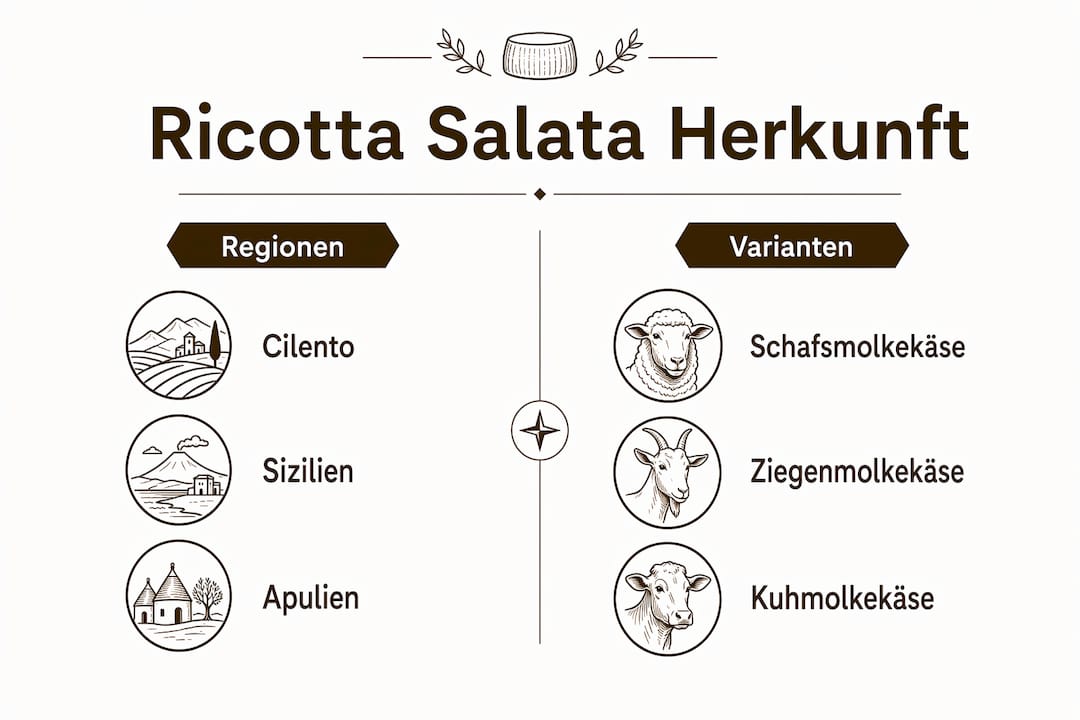
Its roots run deep in southern Italy. Sicily is considered the classical homeland, yet Puglia, Calabria, and Cilento have each developed their own characterful versions. Every region shapes the cheese quite literally: traditionally, so-called fiscelle are used, woven wicker baskets that give the cheese its blunt-conical form whilst allowing the whey to drain.
The milk type determines the aroma profile decisively:
- Sheep whey yields a full-bodied, slightly spicy cheese with pronounced depth, typical of Sicilian and Sardinian varieties
- Goat whey brings a fresher, lightly piquant note
- Cow whey produces a milder, creamier base, well suited to younger ageing stages
Those familiar with the typical products of Cilento know: there, Ricotta Salata is often made from sheep whey of small herds, giving the cheese a particular minerality. Smoked varieties (ricotta affumicata) and longer-aged grating versions (ricotta secca) are distinct products with different purposes.
Pro tip: For your range, it is worth listing at least two ageing stages: a younger table cheese and an older grating cheese. This appeals to both cheese enthusiasts and chefs.
How is Ricotta Salata made? From whey cheese to grating cheese
The starting point is whey, the by-product in the making of Pecorino, Mozzarella, or other cheeses. This is heated to 80–90°C, causing the remaining whey proteins to coagulate and rise to the surface. To produce 1 kilogram of ricotta, approximately 25 litres of whey are required, which explains the value of the product.
The key steps at a glance:
- Thickening and skimming: The coagulated mass is carefully skimmed off and placed in fiscelle moulds
- Salting: Surface rubbing with sea salt or brief immersion in brine; as a guideline, approx. 40 g salt per 1,000 g ricotta
- Pressing: Gentle pressure removes further whey and compacts the texture
- Drying and ageing: Controlled environment with defined humidity and temperature
Decisive is the moisture balance during salting: too much residual moisture leads to crumbling, too little prevents even salt penetration. Salting here is an ageing process, not merely seasoning.
Typical ageing times:
- Freshly salted table cheese variety: 20–30 days
- Grating cheese variety: up to 6 months
What does Ricotta Salata taste like, and which variety suits what?
Young Ricotta Salata surprises with mild saltiness and a subtle sweet undertone reminiscent of fresh sheep's milk. With increasing age, the aroma deepens: mineral, herbaceous notes emerge, the texture becomes firmer and more crumbly, the colour shifts from ivory white to warm straw yellow.
- Young Ricotta Salata (20–30 days): Soft enough to cube, ideal for salads and antipasti platters
- Medium ageing: Breaks into flakes, harmonises beautifully with bitter salads such as radicchio
- Matured grating cheese (from 3 months): Firm, dry, intense; sings over pasta alla Norma or risotto
Well-crafted artisan Ricotta Salata has a firm, grainy consistency inside; the rind may yellow with age. Overly soft cheese is often insufficiently aged and loses efficiency and aroma when grated.
For pairing, we recommend full-bodied red wines from southern Italy, such as Nero d'Avola or Aglianico. Honey, figs, and dried fruits elegantly temper the saltiness. For recipe ideas from southern Italy, Ricotta Salata can be used in versatile ways.
Pro tip: A finger-press test reveals much: if the cheese yields slightly, it is young and suitable for the table. If it barely springs back, it is ripe enough for grating.
How to use Ricotta Salata in fine food retail and on menus
Classic applications are grating over pasta, shaving into flakes for salads, and cubing on antipasti platters. Yet for fine food retailers, the real potential lies in combination.
- Tasting stations: Small cubes with honey and walnuts lower the barrier and increase purchase willingness
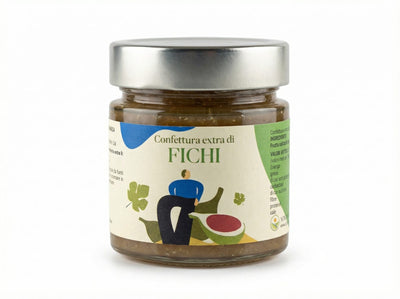
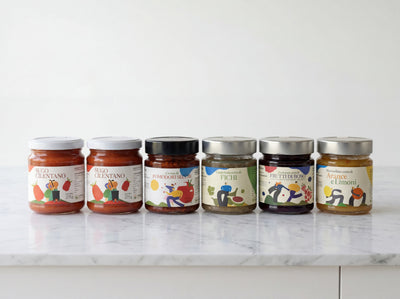
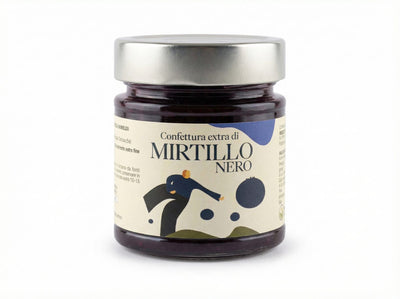
- Gift sets: Ricotta Salata combines excellently with antipasti in extra virgin olive oil, confettura, and fruit spreads from the Minnelea range
- Menu integration: As grating cheese over pasta, as table cheese in the cheese course, as salad ingredient with rocket and oranges
Pro tip: Combine Ricotta Salata with Minnelea antipasti in a themed southern Italy set. The story of Cilento and Sicily tells itself and justifies the premium price.
Recommended companions from the Minnelea range: Antipasti in extra virgin olive oil, fruit spreads with citrus or fig, Mediterranean tomato-based sauces.
What should fine food retailers look for when buying Ricotta Salata?
Those wishing to source Ricotta Salata reliably in good quality need a clear checklist for sample orders and supplier conversations.
| Check point | What you should expect |
|---|---|
| Origin and milk source | Regional indication (e.g. Sicily, Cilento), milk type (sheep/goat/cow) |
| Ageing time | Indication in days or months, batch number |
| Texture when sampling | Firm, grainy inside; no excessive softness or cracks |
| Packaging | Vacuum-sealed, wax paper or netting; piece weight 280 g–1.5 kg |
| Documentation | Best before date, HACCP compliance, traceability |
Additional questions to ask suppliers:
- How large is the batch? Artisanal small batches offer considerably more aromatic depth than industrial products
- Is a sample order in multiple ageing stages possible?
- What are the minimum order quantity and delivery frequency?
How does ageing time affect price, and how do you communicate this?
Ricotta Salata is more expensive than fresh ricotta, and with good reason. Each additional month of ageing ties up storage capacity, requires care, and increases the risk of weight loss through moisture evaporation. A traditionally made grating cheese with six months of ageing has considerably more effort behind it than a 20-day table cheese.
- Fresh variety with comparatively short ageing: Milder, more affordable, shorter shelf life once cut
- Medium ageing (2–3 months): Balanced aroma, versatile in use
- Matured grating variety with long ageing: Intense, long-lasting, highest price justified
Unopened, vacuum-sealed Ricotta Salata keeps for several weeks to months at 4–8°C. Once cut, it should be wrapped in wax paper and consumed within 1–2 weeks.
Pro tip: Communicate ageing time and origin directly at the shelf or on the menu. "Artisan Ricotta Salata from Cilento, aged 90 days" justifies a premium price better than any general quality claim.
How to store and portion Ricotta Salata correctly
Optimal storage conditions: 4–8°C, medium humidity, vacuum-sealed or in breathable wax paper. Avoid direct proximity to strongly odorous products, as the cheese absorbs foreign smells.
- Before cutting: Leave vacuum packaging intact, store cool
- After cutting: Cover cut surface with wax paper, use within 1–2 weeks
- Grating: Only grate the amount needed fresh; pre-grated cheese lacks aroma
- Sampling pieces in store: Cut fresh, serve on clean board, clean knife between different cheese types
For tasting stations: Serve small cubes on cocktail sticks or small spoons, never handle with bare hands. This avoids cross-contamination and maintains HACCP requirements.
Where do retailers in Germany reliably source Ricotta Salata?
The German market offers several routes to sourcing artisan Ricotta Salata:
- Direct imports from southern Italy: Small dairies from Sicily, Calabria, or Cilento often deliver directly or through specialised importers
- Fine food importers: Wholesalers specialised in Italian specialities with refrigerated logistics
- Online fine food shops: Well suited for smaller quantities and sample orders
Practical purchasing strategy in four steps:
- Request sample order in at least two ageing stages
- Check documentation: origin, milk type, ageing time, HACCP certificate
- Clarify delivery frequency and minimum order quantity (observe cold chain)
- Prefer artisan small batches over standardised industrial products when storytelling and premium positioning are priorities
For gift sets and sales promotions, it is worth combining Ricotta Salata with Minnelea antipasti: the shared origin story from southern Italy creates a coherent range image.
Key Insights
Ricotta Salata is a matured whey cheese from southern Italy, created through salting, pressing, and controlled drying, offering fine food retailers a product with genuine differentiation potential.
| Topic | Details |
|---|---|
| Definition and origin | Matured, salted whey cheese from sheep, goat, or cow whey, traditionally from southern Italy |
| Ageing times | Table cheese 20–30 days; grating varieties up to 6 months |
| Quality check | Firm, grainy texture inside; yellowing rind with age is a good sign |
| Storage after cutting | Wrap in wax paper, consume within 1–2 weeks |
| Price justification | Communicate ageing time, craftsmanship, and origin (Cilento, Sicily) to justify premium price |
Why Ricotta Salata belongs in every fine food range
At Minnelea, we observe that fine food retailers who add Ricotta Salata to their range are not merely listing a cheese, but a story. The origin from Cilento or Sicily, the traditional fiscelle moulds, the care in salting: all of these are arguments that work at the shelf and invite customers into conversation.
Ricotta Salata functions as a single product, but its full potential unfolds in combination. Paired with antipasti in extra virgin olive oil, with fruit spreads, or Mediterranean sauces, a range image emerges that makes southern Italy tangible. This is precisely the approach we pursue at Minnelea: small batches, regional ingredients, honest craftsmanship.
Our recommendation: Start with a sample order in two ageing stages, test the combination with Minnelea antipasti at a tasting station, and let the origin story speak for itself. Anyone who has tasted true artisan Ricotta Salata immediately understands why the price is right.