
Come scegliere un brand alimentare artigianale da rivendere
Quando metti a scaffale un brand alimentare artigianale, non stai comprando vasetti: stai comprando una storia che il tuo negozio racconterà per mesi. Ecco i criteri per capire se un marchio food artigianale merita il tuo spazio — e i segnali che dovrebbero farti scappare.
 |
Dal nostro assortimento
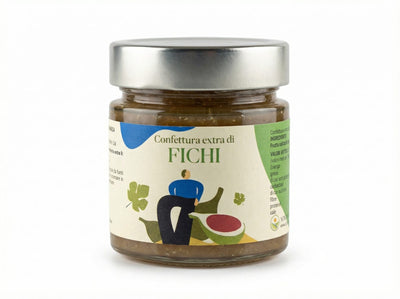
Confettura di FichiArtigianale, senza conservanti.
€ 7,90
Scopri →
|

Il prodotto si assaggia, il brand si rivende
Due confetture possono essere buone allo stesso modo. Ma una ha un'etichetta anonima e un nome inventato da un terzista; l'altra ha un produttore vero, un laboratorio con un indirizzo, una faccia che ci mette la firma. A parità di gusto, la seconda si vende meglio, si racconta meglio e regge un prezzo più alto. Il cliente non ricompra "la confettura di fichi": ricompra quella confettura, di quel marchio, che ha trovato da te.
I 6 criteri per valutare un marchio alimentare artigianale
- Chi produce è chi firma? Molti "brand artigianali" sono etichette commerciali su prodotti di terzisti. Chiedi dove si trova il laboratorio e chi ci lavora. Se la risposta è vaga, il brand è vuoto.
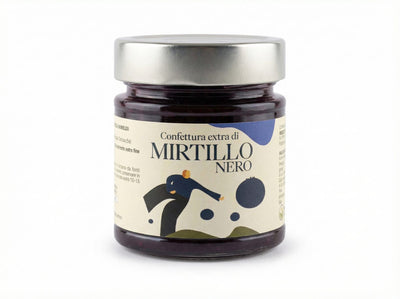
- L'etichetta regge la lettura? Ingredienti corti e comprensibili. Una confettura con frutta, zucchero e nient'altro racconta da sola la propria qualità.
- Il posizionamento è coerente? Sito, packaging, prezzi e canali devono dire la stessa cosa. Un marchio artigianale che sta anche al discount ha già svenduto la storia che vorresti rivendere.
- Ti protegge sul territorio? Il valore di un brand distintivo crolla se ce l'hanno in tre nello stesso paese. L'esclusiva di zona (Minnelea: 30 km) è la garanzia che l'investimento resta tuo.
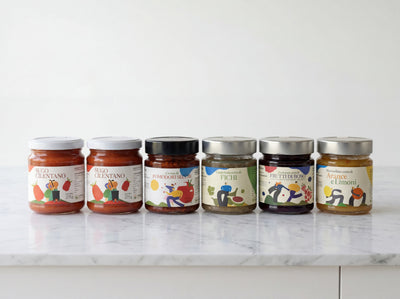
- Ti aiuta a vendere? Schede prodotto, abbinamenti, materiale per il banco, contenuti social riutilizzabili: un brand maturo lavora con te, non ti lascia solo il cartone.
- I margini sono scritti? Listino riservato, prezzo consigliato al pubblico, condizioni di riordino chiare. Se i numeri arrivano "a voce", arriveranno anche le sorprese.

I segnali d'allarme
- Sigle DOP/IGP usate con disinvoltura e senza certificazioni documentate
- Cataloghi enormi "tutti artigianali" (nessun laboratorio artigiano fa 200 referenze)
- Nessun minimo d'ordine ma nessuna esclusiva: significa che vendono a chiunque
- Foto prodotto irriconoscibili rispetto a ciò che arriva in cartone
Il primo segnale sta nel prodotto stesso: che cosa distingue un artigianale da un industriale.
Il test finale: la domanda al banco
Immagina il cliente che indica il vasetto e chiede: "Questo cos'è?". Se con quel brand hai una risposta di trenta secondi che finisce con un assaggio, hai scelto bene. È il motivo per cui forniamo ai rivenditori la storia di ogni prodotto: la varietà del fico, la settimana di raccolta, il perché niente pectina aggiunta.
Vuoi valutare Minnelea come brand per il tuo negozio? Parti da come funziona la rivendita, dai un'occhiata all'offerta all'ingrosso o chiedi campionatura e listino.
Applicato a un singolo prodotto, il test diventa una checklist: come si sceglie una confettura artigianale di qualità.
Domande frequenti
Meglio rivendere tanti piccoli brand o pochi ben scelti?
Pochi e ben scelti: ogni brand in più diluisce lo spazio e il racconto. Tre marchi con storia vera e esclusiva valgono più di dieci etichette intercambiabili.
Come capisco se un marchio artigianale è prodotto da un terzista?
Chiedi l'indirizzo del laboratorio e se è visitabile, e confronta il nome in etichetta con lo stabilimento di produzione indicato: se producono altri, il marchio è commerciale, non artigianale.
Un brand emergente è un rischio per il negozio?
Meno di quanto sembri, se i fondamentali ci sono (produzione propria, etichetta pulita, margini scritti): il brand che cresce porta con sé i punti vendita che l'hanno scoperto per primi.