
Stocking Premium Marmalade in 2026
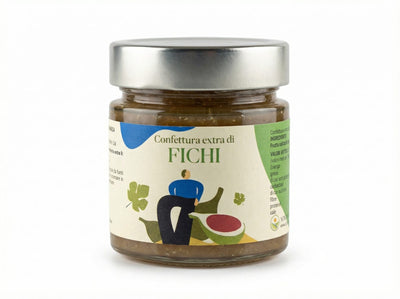
 | From our selection Fig JamHandmade, no preservatives. € 7,90 Discover → |
Anyone looking to place a high-quality marmalade on the shelf today is standing at an exciting crossroads. From 14 June 2026, strawberry, raspberry and apricot spreads may officially be called “marmalade” once again. It sounds like a footnote, yet for delicatessen and grocery retailers it is a genuine opportunity. For years, the terminology created confusion on the shelf. Now a window is opening for clearer product messages, higher fruit content as a quality argument, and a premium positioning that finally works on every level—right down to the word itself.
Table of Contents
- Key Takeaways
- Legal Foundations & Product Standards
- Shelf Design for Premium Marmalade
- Costs & Operational Planning for Listing
- Step by Step: Adding Premium Marmalade to Your Range
- My Take on Premium Positioning
- Minnelea: Artisan Marmalades for Your Range
- FAQ
Key Takeaways
| Point | Details |
|---|---|
| Legal situation from June 2026 | From 14 June 2026 the term “marmalade” may also be used for strawberry and apricot spreads. |
| Fruit content as a quality marker | The minimum fruit content for “Extra” marmalade rises to 500 g/kg, strengthening the premium argument in the sales conversation. |
| Think strategically about shelf placement | Competence blocks at eye level increase visibility and support the purchase decision for premium products. |
| Calculate listing costs realistically | In the German grocery retail sector, listing fees per SKU in the first year can range from €15,000 to €50,000. |
| Recommended phased launch | A pilot project with one or two core SKUs conserves resources and builds trust with retailers. |
Legal Foundations & Product Standards
Before you sell a high-quality marmalade, it pays to look at what is changing in the law. The new Jam & Marmalade Regulation brings two key changes from mid-2026 that feed directly into your ranging strategy.
First, there is the new naming rule: spreads made from strawberries, raspberries, apricots and other fruit may finally be called “marmalade” again. Until now, German law reserved the term exclusively for citrus fruit. For your customer communication, shelf labels and product descriptions, this means more clarity, more recognition, more purchase incentive.
Second, minimum fruit contents rise significantly. A “regular” marmalade must now contain at least 450 g of fruit per kilogram, up from 350 g. The “Extra” variety reaches 500 g/kg. This is not a bureaucratic detail; it is a measurable quality criterion you can use in the sales conversation.
What you should bear in mind when planning your range:
- Check naming law: Citrus marmalades (orange, lemon) remain a separate category with their own labelling requirements.
- Adapt labels in good time: Old and new batches must be managed cleanly to avoid returns.
- Communicate provenance: Fine-food customers ask about origin and processing. Products with a clear provenance—say, from a specific region of Italy—build trust and justify the price premium.
- Provide complete product data: Full master data such as SKU and GTIN are indispensable for entry into retail systems. Missing data can delay listing considerably.
Pro tip: Create a complete product data sheet for every new item before you enter retailer negotiations. If you turn up with incomplete labels or missing nutritional data, you instantly lose credibility.
Shelf Design for Premium Marmalade
The question of how to present marmalade on the shelf is not a matter of taste. It is a matter of psychology. The shelf is not a warehouse; it is a decision-making space. And if you place premium products there, you must shape that space actively.
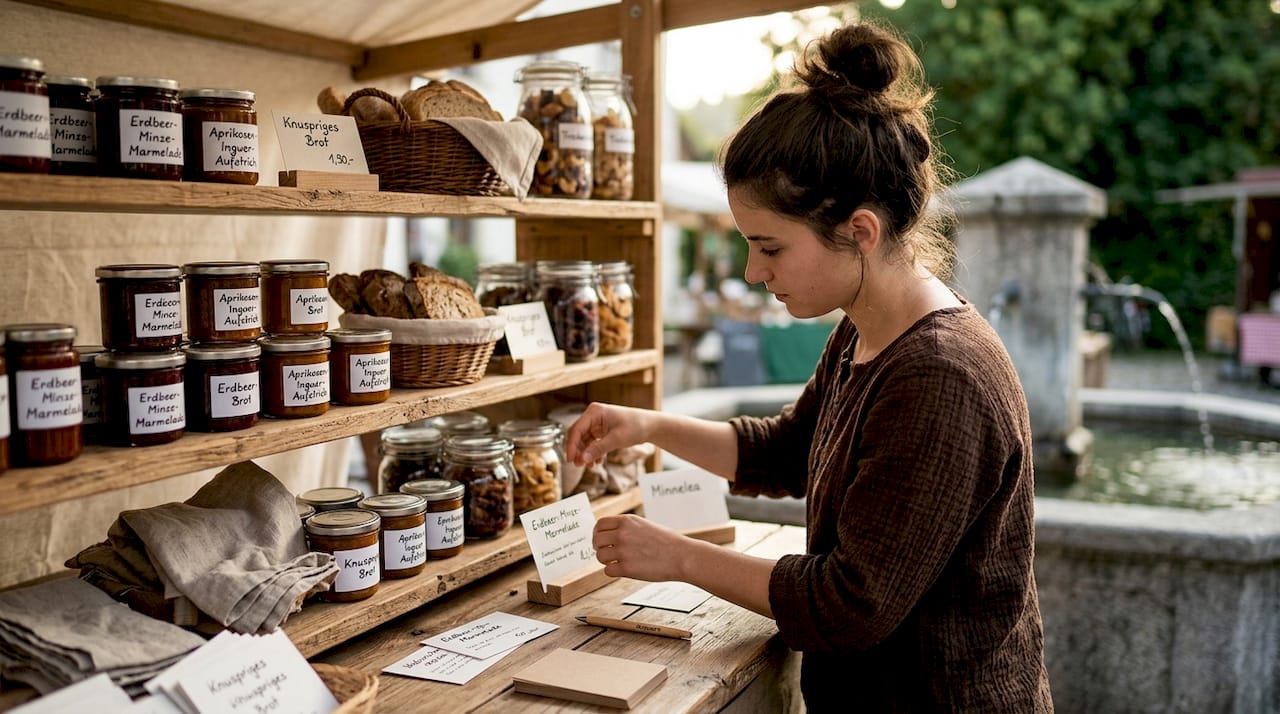
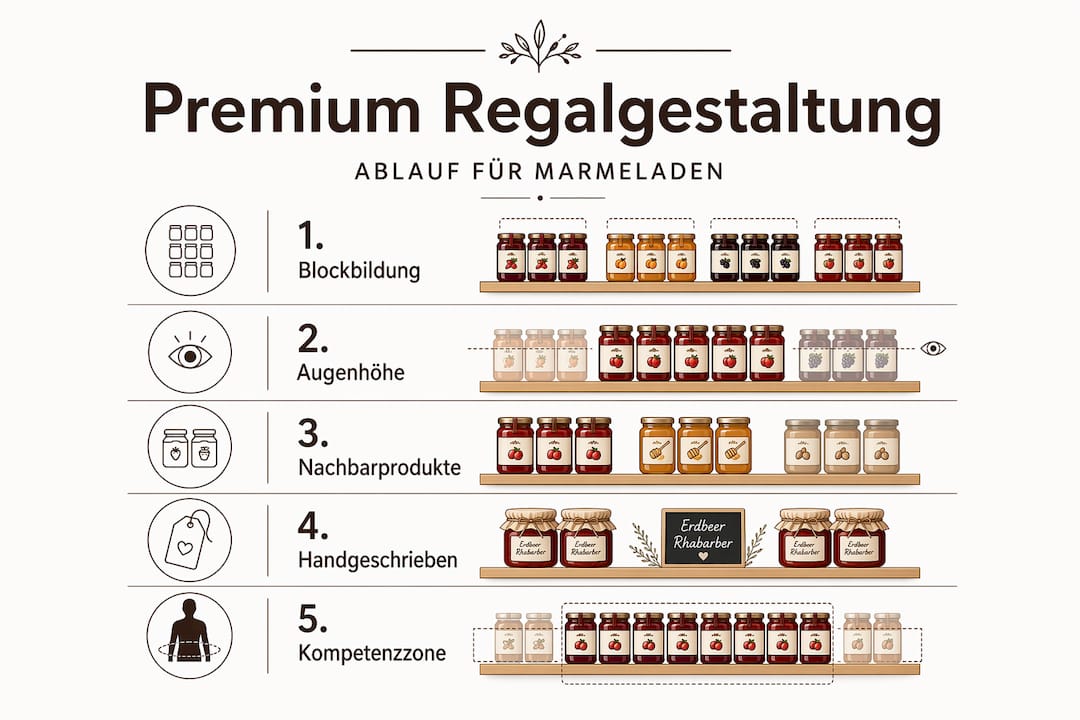
The competence-block principle works particularly well in the fine-food sector. Instead of slotting a high-quality marmalade in as an extra SKU between mass-market lines, group related premium products into a clearly defined area. The Naturkind concept at EDEKA shows how powerful such segmentation can be: customers perceive the area as a zone of expertise and trust the selection without having to check every item individually.
How to build a convincing competence block:
- Choose the zone: Place premium marmalades in the reach zone or at eye level. Products on the bottom shelf are simply overlooked, no matter how good they are.
- Segment by occasion: breakfast classics, gift ideas, seasonal specialities. Customers don’t just buy a product; they buy a moment.
- Make organic and regional credentials visible: seals, provenance cards or small product descriptions in the shelf increase dwell time and purchase intent.
- Create harmonious adjacencies: An award-winning fig confettura looks far more premium next to artisan cheese or a good olive oil than next to industrial goods.
- Plan tastings: Those who taste, buy. Targeted tasting events at weekends or on seasonal occasions increase visibility and strengthen bricks-and-mortar retail against the online channel.
Pro tip: Use small handwritten labels or product cards in the shelf. They signal artisanal care and increase willingness to pay a higher price.
The psychology of shelf design also shows that a well-curated competence zone creates lasting demand, not a short-term sales spike. That is the decisive difference between a promotional endcap and a true premium positioning.
Costs & Operational Planning for Listing
Expanding the marmalade range sounds like a simple decision. Operational reality looks different. Anyone entering the German grocery retail sector in particular should know the financial dimensions.
| Cost type | Typical range | Note |
|---|---|---|
| Listing fees Grocery Retail | €15,000 to €50,000 per SKU | Depends on chain and negotiating position |
| Launch financing stock | €5,000 to €20,000 | For initial stock and working capital |
| Label & packaging adaptation | €1,000 to €5,000 | Especially relevant due to new regulation from 2026 |
| Fine-food retail (regional) | Significantly lower | Often without formal listing fees |
The fine-food sector offers a real advantage here. Regional speciality shops, delicatessens and concept stores rarely demand formal listing fees. Instead, they need convincing product stories, consistent availability and a range that stands out from the mass market.
What you should consider for a smooth launch:
- Complete product data before the first meeting: Full master data speeds up every process.
- Coordinate label changeover: The transition from old to new designations requires clear batch management to avoid confusion in the warehouse.
- Plan payment terms realistically: Retail customers often pay with 30 to 60 days’ delay. Working capital must be planned accordingly.
- Factor in rebates and marketing contributions: In grocery retail these items are often part of negotiations and can significantly affect actual margins.
For smaller brands or manufacturers entering the German market for the first time, a focused start is recommended. A pilot with one or two core SKUs conserves resources, reduces risk and gives you the chance to gather feedback before rolling out the full range.
Step by Step: Adding Premium Marmalade to Your Range
If you want to increase your marmalade offer and do it systematically, you need a clear process. Here is the workflow that works in practice.
Phase 1: Preparation
- Check product data: Are all mandatory details present? GTIN, nutritional values, ingredient list, allergen labelling, origin statement?
- Align labels with the new legal situation: Do the designations comply with the Jam & Marmalade Regulation from June 2026?
- Document recipes and fruit content: Especially for the “Extra” category, proof of at least 500 g fruit per kilogram is a selling point.
- Ensure availability: Nothing harms a launch more than an empty shelf after the first order.
Phase 2: Communication & Negotiation
Enter retailer meetings with a clear story. Why this product? Why now? What differentiates it from what is already on the shelf? Solid product data and a focused SKU portfolio convince buyers faster than a broad, vague range.
Also train your own team. Anyone working in the shop or in the field must know the product story and be able to tell it convincingly.
Pro tip: Prepare an individual tasting kit for every retailer. A curated tasting box with five to eight varieties gives the buyer the chance to experience the quality first-hand and is more persuasive than any catalogue.
Phase 3: In-store Implementation
- Implement shelf placement according to the competence-block principle.
- Place product cards or small provenance descriptions in the shelf.
- Position seasonal varieties deliberately within sight of the entrance or at the checkout.
- Plan the first tasting event within the first four weeks after launch.
Phase 4: Monitoring & Adjustment
Observe sales figures weekly for the first three months. Which varieties sell? Which ones stagnate? Actively collect customer feedback, for example via short conversations at the checkout or a small feedback card in the shelf. Adjust the range on the basis of real data, not assumptions.
A clear communication strategy emphasising provenance and fruit content supports the premium profile in the long term and turns your marmalade placement into a genuine point of difference.
My Take on Premium Positioning
By carmine
I have watched for years as many retailers underestimate marmalade. They list one or two varieties as gap-fillers without a real strategy behind them. The result: the products sit, barely turn, and disappear from the shelf after six months.
What I have learned: premium marmalade needs a stage. Not more space, but the right space. A well-designed competence block with three to five high-quality varieties, a clear provenance story and a price point that signals quality sells better than ten loose SKUs without context.
The new legal situation from 2026 is not a burden; it is a gift. The word “marmalade” is emotionally charged. It evokes childhood memories, breakfast moments, a sense of comfort. Anyone who now links that word to genuine artisan quality has a communicative advantage that no advertising budget can buy.
My advice: start small. Choose two or three varieties that tell a story. Invest in shelf design and in a first tasting event. Measure what happens. And build from there. Systematically, not hectically.
— carmine
Minnelea: Artisan Marmalades for Your Range
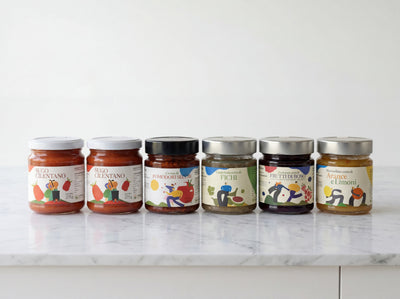
At Minnelea we produce our marmalades and confetture in small batches in Cilento, the southernmost part of Italy. Each variety is made from carefully selected regional fruit, without preservatives, and with a fruit content far above the legal minimum. Our strawberry confettura at , with 130 % fruit content, is a good example: intense, honest, with an aromatic profile that stands out on the shelf immediately.
For fine-food retailers and delicatessens we offer a flavourful marmalade selection that works both as individual products and as a curated range. Our products are award-winning, for example with the Great Taste Award 2025, and come in packaging that visually delivers the premium promise.
Discover our complete range of confetture and marmalades and find the varieties that will enrich your range. We are happy to support you with range planning, shelf design and your first tasting event.
FAQ
What changes in marmalade naming from June 2026?
From 14 June 2026, spreads made from strawberries, raspberries and apricots may officially be called “marmalade”. Until now, the term in Germany was reserved for citrus fruit.
What are the listing costs for premium marmalade in German grocery retail?
In the German grocery retail sector, listing fees per SKU range from €15,000 to €50,000 in the first year, depending on the chain. In the fine-food sector the barriers to entry are significantly lower.
How much fruit content must a premium marmalade have?
An “Extra” marmalade must contain at least 500 g of fruit per kilogram from 2026 onwards. This figure is a strong selling point against standard products and supports premium positioning on the shelf.
How do I position premium marmalade optimally on the shelf?
Place high-quality marmalades in competence blocks at eye level, complemented by harmonious neighbouring products such as cheese or olive oil. Hand-written product cards and regular tastings increase visibility and sales.
What is the best way to start a new marmalade range?
Begin with one or two core SKUs that tell a clear story. Provide complete product data, plan a tasting event and observe sales figures for the first three months before expanding the range.
Recommendations
- Cilento Orange and Lemon Marmalade · Artisan · Minnelea – Azienda Agricola Minnelea
- Cilento Lemon Marmalade · WineHunter Gold · Minnelea – Azienda Agricola Minnelea
- Cilento Washington Orange Marmalade · Artisan · Minnelea – Azienda Agricola Minnelea
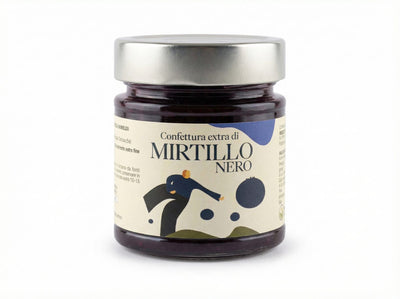
- Cilento Forest Berry Jam · Artisan · Minnelea – Azienda Agricola Minnelea