
Jam-Filled Christmas Cookies: One Dough, Four Classics
The most beautiful Christmas cookies are almost all the same pastry: shortcrust dough, cut out, sandwiched with confettura. What distinguishes them is the shape and the name — Linzer Augen in the south, Spitzbuben in Switzerland, Husarenkrapfen in Austria, Hildabrötchen in Baden. One dough, four classics, and one ingredient that decides between success and disappointment: the confettura.
 |
For the filling
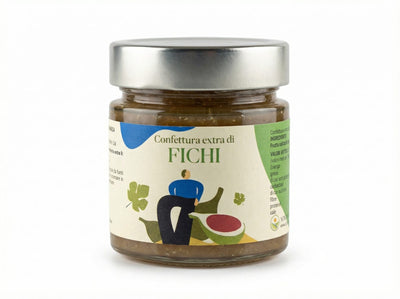
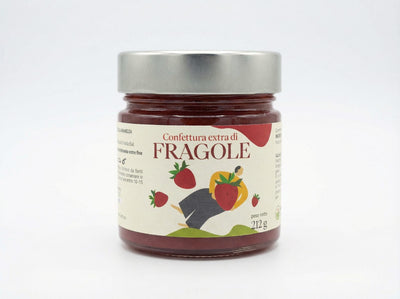
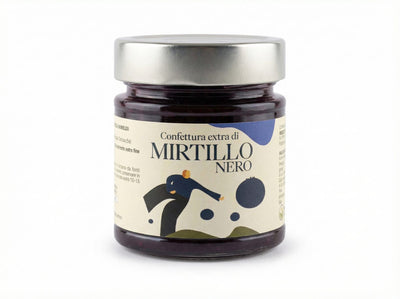
Extra confetture with plenty of fruitDense and fruity — exactly what holds between two cookies.
from €7.90
View collection →
|
The Basic Dough — 3 : 2 : 1
The shortcrust rule you'll never need to look up again: 300 g flour, 200 g cold butter, 100 g sugar. Plus 1 egg yolk, a pinch of salt, some vanilla. For the finer variations, replace 50 g flour with ground almonds or hazelnuts.
- Keep everything cold and work quickly. Rub butter cubes with flour, sugar and salt between your fingers to make crumbs, add the yolk, press quickly into dough. Don't knead — shortcrust should stay tender, not become elastic.
- At least 1 hour in the refrigerator, flattened in cling film. Warm dough sticks and loses its shape when cutting out.
- Roll out 3 mm thick, between two sheets of baking paper — then you need no extra flour, which would make the dough tough.
- 10–12 minutes at 170°C, until the edges just turn golden. Cookies bake on: they always look too pale when they come out of the oven.
- Let cool completely, then fill. Assembled warm, the bottom softens through.
The Four Classics from This Dough
- Linzer Augen: round bases, tops with three small holes. Dough with ground almonds and a pinch of cinnamon.
- Spitzbuben: same principle with one large round hole. Dust the top with icing sugar before assembling — afterwards, the sugar will moisten from the confettura.
- Husarenkrapfen: small balls, press a hollow with your finger, fill with confettura after baking. This keeps it glossy instead of caramelised.
- Hildabrötchen: the Baden variation with lemon zest in the dough — lemon or apricot confettura pairs beautifully.
Which Confettura Holds — and Which Doesn't
This is where most fail. Runny jellies and water-rich marmalades leak out, soften the base and glue the cookies together in the tin. What you need is a dense confettura with high fruit content.
Classic is redcurrant (the acidity balances the sweet dough) or apricot. Both work visually too: they glow in the cookie window. For something distinctive, choose fig confettura — dark, dense and unusual.
The professional trick: Briefly boil the confettura before filling and let it cool again. It becomes denser and sticks better. And always only half a teaspoon — more oozes out the sides.
Storing and Gifting
Filled cookies keep in a tin 2–3 weeks and actually improve after a few days: the dough draws moisture from the confettura and becomes more tender. Separate layers with baking paper. Unfilled bases keep for months — if you want to bake early, bake in November and fill in December.
As gifts they work best together with the jar they were filled from: a few cookies in parchment, alongside the confettura. Ideas for assembling are in our guide Make Your Own Gift Basket.
Frequently Asked Questions
Why do my cookies turn out hard?
Kneaded too long or baked too long. Shortcrust tolerates neither.
Can I freeze the dough?
Yes, raw for 3 months. Thaw overnight in the refrigerator, then roll out as normal.
Do I need to sieve the confettura?
For chunky confetture it's worth it for a clean window — passing through a coarse sieve is enough.
How many cookies does the dough make?
About 40 filled sandwich cookies at 5 cm diameter.
The filling decides: our extra confetture are densely cooked and fruity — just right between two cookies. Prefer to make your own: make your own marmalade.