
Pancakes: The Foolproof Base Recipe — Plus 8 Fillings
Pancakes are the first recipe anyone learns by heart — and yet they so often go wrong: rubbery, too thick, torn in the pan. The causes are always the same three, and none of them has to do with the recipe itself. Here is the basic ratio to memorise once, and everything that becomes possible afterwards.
 |
The Classic Filling
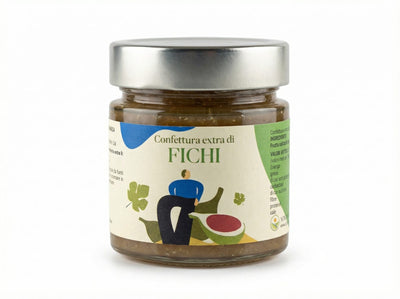
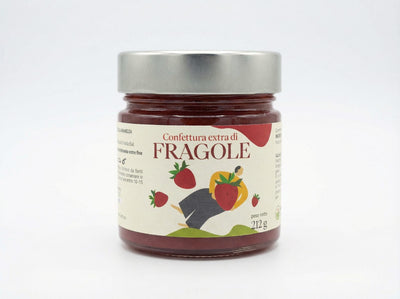
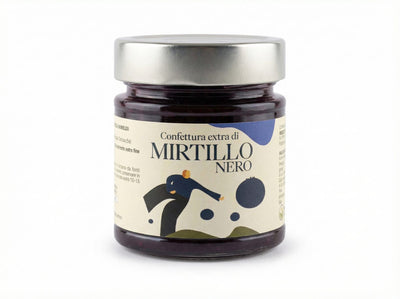
Extra confettura, rich in fruitWaldfrucht, Apricot, Fig, Lemon — cooked in small batches in Southern Italy.
from €7.90
View the range →
|
The Golden Ratio: 1 : 2 : 1
For every 100 g flour, use 200 ml milk and 1 egg. Add a pinch of salt and a spoonful of melted butter. That is all — and it scales cleanly: 300 g flour, 600 ml milk, 3 eggs yield about 12 pancakes for 4 people.
For the Austrian style (Palatschinken), use a little more milk for thinner, softer crêpes. For American-style pancakes, halve the milk and add 2 tsp baking powder — that is a different batter, not simply a thicker pancake.
The Three Rules That Decide Everything
1. The batter must rest — at least 30 minutes. The flour fully absorbs the liquid, and the gluten relaxes after being activated by stirring. Without resting, pancakes turn rubbery and tear when flipped. That half hour replaces any natural talent.
2. The pan must be properly hot. Test: a drop of water should sizzle and evaporate instantly. Too cold means the batter soaks up fat and turns greasy. Too hot means dark outside, raw inside.
3. Little fat, fresh each time. Half a teaspoon of butter per pancake, spread with kitchen paper. A pool of fat fries the batter instead of baking it.
Step by Step
- Flour and salt in a bowl, add eggs and half the milk, whisk smooth — this is the moment to eliminate lumps.
- Whisk in remaining milk and melted butter. The batter should flow like thin cream. Too thick? A splash of milk. Too thin? It will thicken naturally as it rests.
- Rest for 30 minutes, covered, at room temperature.
- Heat the pan, grease it, pour in a small ladle of batter and swirl immediately to spread.
- When the surface turns matte and the edges release (about 1–2 minutes), flip. The second side needs half the time.
- Keep finished pancakes warm on a plate in a 70°C oven, covered with another plate.
Eight Fillings
Sweet:
- Classic with confettura: a spoonful of Waldfrucht or Apricot confettura, roll up, dust with icing sugar. The standard by which all others are measured.
- Fig and Ricotta: stir ricotta with a spoonful of Fig confettura, fill cold. The grown-up choice.
- Lemon and sugar: just lemon juice and sugar — the English way, and the only one that works even with an empty pantry.
- Apple: caramelise apple slices in butter with cinnamon, tuck inside.
Savoury:
- Spinach and Ricotta, baked in the oven with tomato sauce — the pancake as cannelloni substitute.
- Sundried tomatoes and cream cheese: filled cold, rolled, sliced — buffet finger food.
- Cheese and ham: top on the second side in the pan, fold in half.
- Frittaten soup: cut pancakes into fine strips, add to clear broth. The Austrian answer to leftovers.
Frequently Asked Questions
Can I make the batter the night before?
Yes, and gladly so — overnight in the fridge makes it even better. Stir once before cooking and let it come to room temperature for 20 minutes.
Why do my pancakes tear?
Batter too thin, pan too cold, or flipped too early. Wait until the edges release on their own.
Which pan?
Non-stick, 24–28 cm, with a low rim. A well-seasoned iron pan is better, but less forgiving.
Can I freeze pancakes?
Yes: stack with baking paper between, freeze, then reheat in the pan or toaster.
What goes inside at the end decides the Sunday: our extra confettura with high fruit content, cooked in small batches in Cilento. For those who preserve their own, everything you need is under making marmalade at home.