
Italian Vegetables: Why Italy’s Finest Live in Jars
When people hear “Italian vegetables,” they picture sun-drenched market stalls—and they’re only half right. The other, equally important half of Italy’s vegetable culture lives on the shelf: sottoli, sottaceti, giardiniera—vegetables preserved in oil or vinegar, a craft Italy prizes as much as cheese or wine. This article unpacks the system behind them, the regional classics, and how to recognise real quality in German shops. (For the fresh side of the story: Mediterranean vegetables.)
 | From our selection Fig JamHandmade, no preservatives. € 7,90 Discover → |
The System: Sott'olio, Sott'aceto, Giardiniera
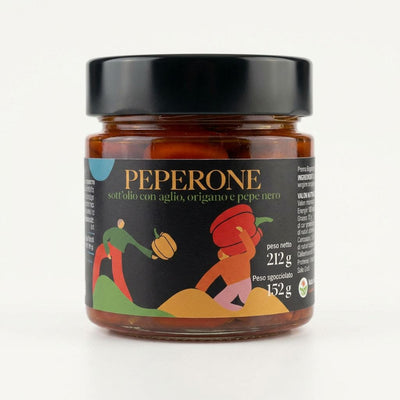
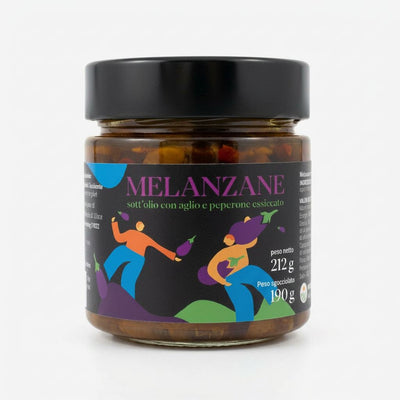
Sott'olio (“under oil”): vegetables are grilled or blanched, lightly acidified, then left to mature under a blanket of olive oil. The result is silky, intense, ready for antipasti. The crown jewels—aubergines and peppers—shine brightest here.
Sott'aceto (“under vinegar”): crisp, tangy, bright—Italy’s answer to pickles: cipolline, cetriolini, peperoncini.
Giardiniera: the colourful mixed jar (“the gardener’s mix”) of carrots, celery, cauliflower, peppers in a light vinegar brine—a northern-Italian snack staple and the backbone of a Piedmontese antipasto misto.
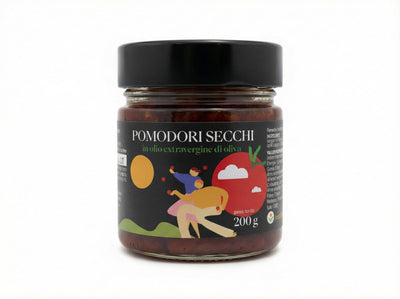
The logic mirrors passata and sun-dried tomatoes: Italy conserves the peak of the season instead of eating pallid greenhouse produce in January. The jar is not a substitute for fresh—it’s a category of its own, with its own pride.
The Regional Map
- Piedmont: giardiniera and the antipasti culture of the merenda sinoira
- Liguria: artichokes under oil, pickled mushrooms
- Campania & Cilento: aubergines, peppers, courgettes sott'olio—our jars follow this school: southern vegetables, extra-virgin olive oil, traditional acidification
- Puglia: lampascioni (wild hyacinth bulbs), sun-dried tomatoes
- Calabria: everything with peperoncino, fiery aubergine fillets in oil
- Sicily: caponata in jars, capers, aubergines
Eating Italy means eating regions—preserved vegetables obey the same rule as wine.
The Quality Compass for German Shelves
Supermarket shelves overflow with “antipasti” jars at every price point—the differences hide in the small print on the back:
- Oil: “extra-virgin olive oil” versus “sunflower oil”—the most honest indicator. In sott'olio, oil is a flavour carrier, not filler.
- Origin of the vegetables, not just the bottling plant.
- Ingredient list the length of a recipe: vegetables, oil, vinegar, salt, herbs. Acidifiers beginning with E-, flavourings and sweeteners scream factory.
- Price reality: real sottoli demand handwork (grilling, peeling, layering). A three-euro mega-jar simply cannot contain that labour.
The Dispensa Strategy for German Kitchens
Four or five good jars replace half an Italian restaurant’s antipasti spread: one of aubergines, one of peppers, artichokes, sun-dried tomatoes, plus olives. With these, spontaneous starters, panino fillings, pasta upgrades and salad toppings are ready for months. Our Kit Benvenuto Salato bundles exactly this foundation—the southern-Italian jarred kitchen as a starter pack.
Frequently Asked Questions
Is preserved vegetable “worse” than fresh? It’s different. No one compares Parma ham to fresh meat—the same logic applies to sottoli: a refined product with its own purpose.
How is it different from German mixed pickles? Related to sott'aceto, but the brine is sweeter. The oil school (sott'olio) has no real counterpart in German tradition—hence the worth of importing it.
How do you serve Italian jarred vegetables properly? Bring to room temperature (20 minutes out of the fridge), drain lightly, serve with good bread. And the oil—reuse it, never throw it away.