
Confitures sans pectine ajoutée et riches en fruits : la différence se goûte
Une confiture sans pectine ajoutée prend uniquement grâce aux fruits et à la cuisson : pas de gélifiant en poudre, pas de raccourcis. Le résultat, c'est une texture souple et un goût qui est celui du fruit, pas du gel qui le tient. Voici ce qui change vraiment — et pourquoi cela vaut la peine de retourner le pot et de lire l'étiquette.
 |
À déguster de notre sélection
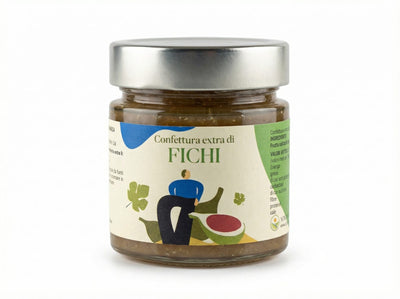
Confiture de figuesFait main, sans conservateurs.
€ 7,90
Découvrir →
|

La pectine, c'est quoi, et pourquoi elle est partout
La pectine est une fibre naturellement présente dans les fruits, surtout les pommes et les agrumes. En soi, ce n'est pas un défaut : c'est son usage qui fait la différence. L'industrie ajoute de la pectine en poudre pour faire prendre le produit en quelques minutes : moins de fruits, moins de cuisson, des temps de production réduits, une texture toujours identique. C'est pourquoi tant de confitures — y compris de marques qui se présentent comme artisanales — ont la même texture compacte et gélatineuse, et un goût qui rappelle plus le bonbon que le fruit.
Et c'est là le point qui dérange : si une confiture « artisanale » affiche de la pectine ajoutée et une liste d'ingrédients digne d'un manuel industriel, qu'a-t-elle d'artisanal, à part le prix ?
Comment prend une confiture sans pectine ajoutée
De la façon la plus ancienne qui soit : avec plus de fruits et du temps. La cuisson lente en petits lots fait évaporer l'eau et concentre les sucres naturels et la pectine déjà contenue dans le fruit, jusqu'à ce que l'ensemble prenne de lui-même. Cela demande plus de matière première, plus d'heures et plus d'attention — les fruits ne sont jamais identiques d'une récolte à l'autre, et qui cuit doit savoir le sentir. C'est la méthode que nous utilisons pour toutes les confitures et marmelades Minnelea : fruits italiens, sucre, cuisson lente. Rien d'autre.

La différence dans le pot
- Texture : souple, tartinable, avec des morceaux de fruits reconnaissables — pas un gel compact qui se coupe à la cuillère.
- Goût : plus de fruits dans le pot signifie que le goût dominant est le fruit, pas le sucre gélifié.
- Couleur et variabilité naturelle : chaque lot peut varier légèrement, parce que les fruits varient. C'est un signe d'authenticité, pas un défaut.
- Étiquette : courte. Fruits et sucre. Si vous lisez gélifiant, correcteur d'acidité et sirop de glucose-fructose, vous êtes devant un autre type de produit.
Comment la reconnaître à l'achat
- Retournez le pot : la liste d'ingrédients dit tout en trois lignes.
- Regardez la teneur en fruits déclarée : plus elle est élevée, plus le goût sera celui du fruit.
- Inclinez le pot : la confiture sans pectine ajoutée bouge lentement, le gel industriel reste immobile.
- À la dégustation : elle doit avoir le goût du fruit dont elle naît, avec son acidité naturelle.
Où les trouver
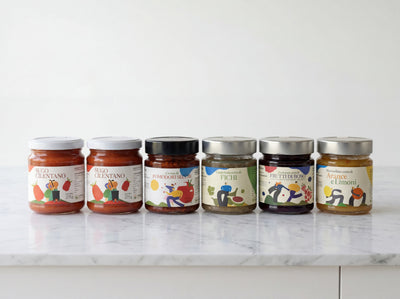
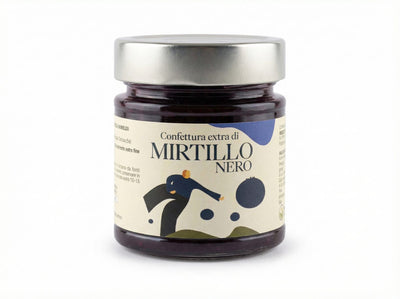
Toutes les confitures et la marmelade de citrons Minnelea sont produites sans pectine ajoutée, en petits lots, avec des fruits italiens. Vous les trouvez dans la boutique en ligne — et si vous avez une épicerie fine ou une cave, aussi en gros avec exclusivité de zone.
Questions fréquentes
La pectine ajoutée est-elle mauvaise pour la santé ?
Non, c'est un ingrédient sûr et autorisé. La question n'est pas la sécurité mais le résultat : la pectine ajoutée permet d'utiliser moins de fruits et moins de cuisson, et cela se sent dans le goût et la texture.
Pourquoi les confitures sans pectine ajoutée coûtent-elles plus cher ?
Parce qu'elles contiennent plus de fruits et demandent des cuissons plus longues en petits lots : plus de matière première et plus de temps pour chaque pot.
Marmelade et confiture, c'est pareil ?
Pour la réglementation européenne, la marmelade ne concerne que les agrumes ; tout le reste est confiture. Sur le fond, rien ne change : les deux peuvent être faites avec ou sans pectine ajoutée.