
The Antipasti Plate: The Perfect Single-Serve Starter for Your Menu
The grand antipasti platter is conviviality — the individual antipasti plate is host artistry. When you’re cooking a full menu, a pre-portioned starter feels instantly more refined: every guest receives a composed miniature, no one has to reach across the table, and the kitchen stays in control before the main course steals the spotlight. Here is the formula for the perfect plate.
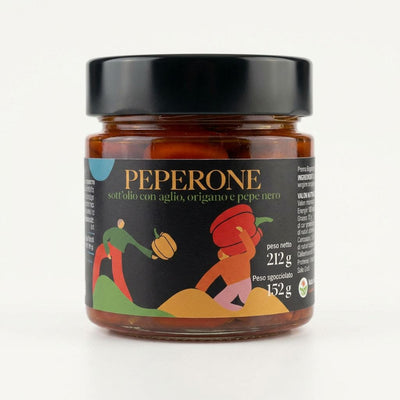
 | From our selection Peppers in Olive OilHandmade, no preservatives. € 7,90 Discover → |
The 6-Component Formula (per guest)
A balanced antipasti plate follows the same contrast logic as the large platter, only more precisely dosed:
- Something Creamy (40 g): a small burrata, a quenelle of ricotta, or two mozzarella bocconcini
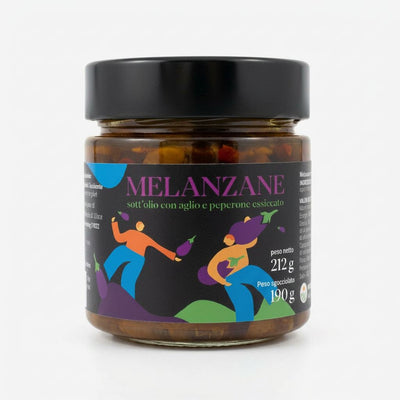
- Pickled Vegetables (50 g): two folds of roasted peppers, an aubergine roll — the sweet-and-sour element
- Something from the Pig — or Not (30 g): two folds of prosciutto; for a vegetarian version, swap in grilled vegetables
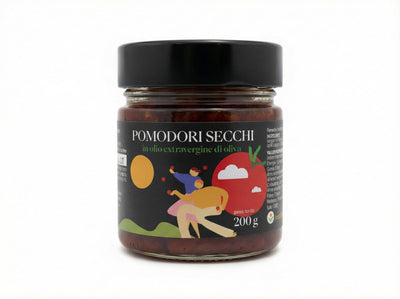
- A Crostino with topping: sun-dried-tomato paté or bean cream
- The Accent: three olives, a few caper berries, or a shard of Parmigiano
- The Conversation Piece: half a teaspoon of fig confettura beside the cheese — the detail everyone will talk about
Total weight: 150–180 g. Enough to open the appetite, too little to fill up — exactly right before pasta or a main course.
The Plating Logic
- Plate: large and light — the portion needs breathing room. A 27 cm plate carrying 160 g looks generous; a small, crowded plate looks like leftovers.
- Clock-Rule: creamy element at 6 o’clock (front and centre), vegetables at 10, salumi at 2, crostino leaning at 12. Scatter accents in between.
- Height over Flatness: fold the prosciutto, don’t lay it flat; stand the rolls upright; the confettura is a dot, not a lake.
- Oil Finish: a thin thread of good olive oil over cheese and vegetables just before serving. More styling tips in Antipasti anrichten.
3 Ready-Made Plate Compositions
The Southerner: burrata, peppers and aubergines sott'olio, taralli, olive, dot of fig confettura. (Everything from pantry + fridge — 10 minutes for six plates.)
The Vegetarian: ricotta quenelle with lemon zest, grilled zucchini, artichoke, crostino with bean cream, toasted almonds.
The Festive: mini burrata, prosciutto, warm crostino with paté, marinated mushrooms, shards of Parmigiano with confettura.
Timing for a Dinner Party
The quiet advantage of the antipasti plate: it is built entirely before guests arrive. Plate, cover, leave at room temperature (the cheese even benefits) — only the crostini and oil finish go on last. While guests enjoy the starter, the kitchen already belongs to the main course.
Common Questions
Serve warm or cold? Tempered — room temperature beats the fridge by miles. The only warm element: the crostino, freshly toasted.
How many components are too many? More than seven turns the plate into a treasure hunt. Six precise beats ten random.
What to drink? A dry white wine or spritz — and water on the table. The plate is salty-tangy; heavy reds can wait for the main course.