
Fig Jam: Origin, History and Craft
 | From our selection Fig JamHandmade, no preservatives. € 7,90 Discover → |
Fig jam is one of the oldest fruit spreads in human history, its roots stretching back to the earliest domestication of the fig more than 10,000 years ago in the Middle East. To explain the origin of fig jam is to tell two intertwined stories: the botanical tale of a fruit cultivated even before wheat and barley, and the cultural journey of a word that travelled from Portugal across Europe. Together they form one of the most fascinating chapters of Mediterranean cuisine.
Where does fig jam really come from?
The fig is one of the world’s oldest cultivated fruits. Archaeobotanical finds prove that Ficus carica was deliberately grown before staple crops like emmer or einkorn. That is no small detail: it means humans were tending and propagating fig trees even before the invention of agriculture in the classical sense.
The most precise evidence comes from Gilgal I in the Jordan Valley, where nine charred figs were discovered, dated to about 11,400 years ago. Their morphology points to vegetative propagation—cuttings, not seeds—ensuring the desired sweetness and fleshiness were reliably passed on.
Three insights from Gilgal I are key to understanding fig jam’s origin:
- The fig was a consciously cultivated food before cereal farming began.
- Early communities used figs as a storable food, laying the groundwork for later preserves.
- Vegetative propagation shows deliberate selection for sweeter, fleshier varieties.
“Figs were not simply gathered. They were bred. That makes them one of the first intentionally designed foods in human history.”
This early cultivation explains why figs hold symbolic and culinary pride of place across Mediterranean cultures—from the Bible to Greek mythology, the fig stands for fertility and abundance. And that cultural depth makes fig jam far more than an everyday spread.
How did the word “marmalade” arise?
The story of fig jam cannot be told without the word “marmalade.” It stems from the Portuguese marmelada, originally a quince preserve. First recorded in German in 1597 as “spanische Marmalada,” the term was once a proper name, not a generic label.
Its journey across Europe—and eventual extension to all fruit spreads—is a masterclass in culinary linguistics. In German-speaking countries, a legal distinction now exists:
| Term | Raw material | Legal basis |
|---|---|---|
| Marmalade | Citrus fruits only | EU directive, legally protected |
| Confettura / Konfitüre | All other fruits, incl. figs | EU standard for fruit spreads |
| Jelly / Gelee | Fruit juice, no pulp | Clear gel, no pieces |
| Fruit spread | Reduced sugar | No legal minimum fruit content |
Under EU law, “marmalade” in Germany is restricted to citrus spreads. Technically, fig jam is a confettura. The nuance may sound bureaucratic, yet it reveals how deeply European cuisine distinguishes fruit spreads by raw material and method.
In everyday speech—and on shop shelves—“fig jam” persists, testament to centuries of tradition and to consumers who value flavour over legal fine print.
How is fig jam made?
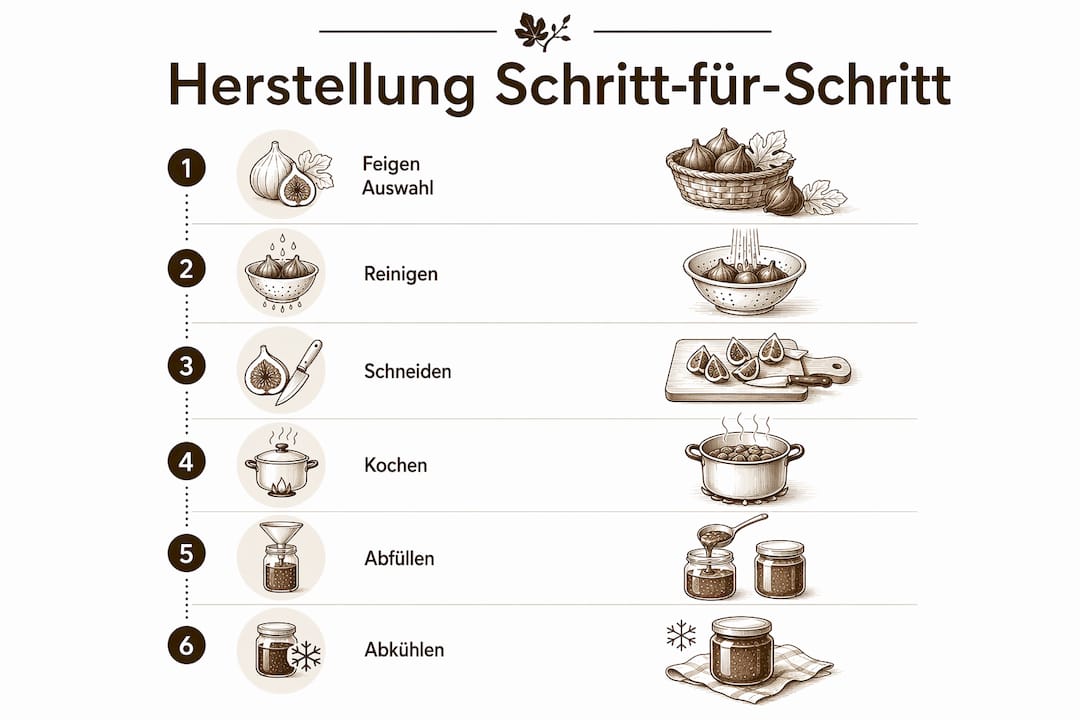
Traditional fig-jam making follows a principle unchanged for centuries: fruit, sweetness, acidity and heat. Classic recipes forgo added pectin, relying instead on slow reduction and long resting times. The result is a spread of deep, caramelised sweetness and a texture born naturally from the fruit.
The classic workflow:
- Prepare the figs: wash ripe fruit, remove stems and dice. Very ripe figs release more juice and caramelise faster.
- Macerate: toss figs with sugar and lemon juice; rest at least four hours, preferably overnight. The sugar draws out moisture, creating a natural syrup.
- Bring to a boil: heat gently, stirring, then skim any foam.
- Reduce: lower the heat and simmer 20–40 minutes until thick. Texture depends on cooking time and the balance of sweetness to acidity, not on added pectin.
- Finish: stir in honey, vanilla or subtle spices such as cinnamon or cardamom. Natural aromatics intensify flavour without additives.
- Jar: ladle hot jam into sterilised jars, seal, invert and cool.
Pro tip: Fruit variety and juiciness greatly affect cooking time. Using jam sugar gives more control over set; without it, reduce longer and test a drop on a cold plate.
Texture and quality are determined more by process than by ingredients. Extended reduction improves set without pectin and yields the dark, translucent hue that distinguishes artisanal fig jam from industrial spreads. Curious about sugar’s role? Minnelea offers an insight into sugar content and its impact on texture and shelf life.
What regional styles exist in Italy?
Italy is the beating heart of Mediterranean fig culture. Italian fig confettura varies by region, shaped by local cultivars, climate and culinary tradition. Southern Italy—especially Campania and Cilento—produces fig jams whose depth and complexity are hard to match.
What makes the southern style so special?
- Cultivars: In Cilento, ancient varieties like Dottato and Brogiotto deliver exceptionally high natural sugars and intense aroma. These figs caramelise in ways northern European fruit simply cannot.
- Minimal: Southern recipes use just a few, carefully chosen ingredients—Amalfi-lemon juice, local honey, perhaps a whisper of walnut or a sliver of dried fig.
- Small-batch craft: Many Cilento producers cook in tiny batches, allowing precise control of time and texture.
- Culinary versatility: Southern fig confettura is not just for toast. It partners with aged Pecorino, Gorgonzola and buffalo mozzarella; it shines in desserts, as a crostata filling or a panna-cotta topping.
Explore the varieties of southern Italian confetture to see how rich this regional tradition is. Fig jam here is not merely a product—it is an expression of a lifestyle that weaves seasonality, craft and pleasure together. If you make your own, learn how to store it properly: tips on keeping handmade spreads fresh will help preserve quality for months.
Key takeaways
Fig jam unites the oldest known cultivated fruit with a European naming tradition dating to the 16th century, alive and well in today’s kitchens of southern Italy.
| Point | Details |
|---|---|
| Biological origin | Figs were first cultivated c. 11,400 years ago at Gilgal I. |
| Etymology | “Marmalade” from Portuguese marmelada; legally applies only to citrus. |
| Craft principle | Set is achieved by reduction and cooking time, not pectin. |
| Regional quality | Southern Italian cultivars like Dottato from Cilento give the richest flavour. |
| Culinary range | Equally at home with cheese, dessert or antipasti. |
What truly fascinates me about fig jam
I have spent years exploring traditional Mediterranean fruit preserves, and fig jam is the one that continually surprises me—not for its complexity, but for its simplicity.
Most spreads need pectin, setting agents or elaborate techniques. Not fig jam. A ripe fig carries enough natural sugar and pectin that a superb jam needs only three ingredients: fruit, lemon juice and a little sugar. That is not simplification; that is precision.
Another thought: most people meet fig jam as an afterthought on a cheese board. That is a pity. A well-made jam from Dottato figs of Cilento stands on its own. The sweetness is layered—first bright fruit, then a caramel note, finally an earthy finish reminiscent of dried fig.
My honest advice: skip supermarket shelves if you want to understand what fig jam can be. Seek out small-batch, southern-Italian jars with high fruit content and no flavourings. The difference is not subtle. It is fundamental.
— carmine
Minnelea’s fig jam: craft from Cilento
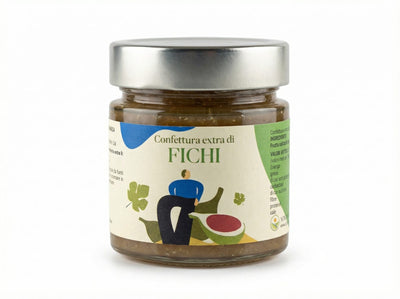
If you want to experience fig jam in its purest form, Minnelea offers exactly what this article describes—small batches, select fruit from Cilento and a process that relies on nothing artificial.

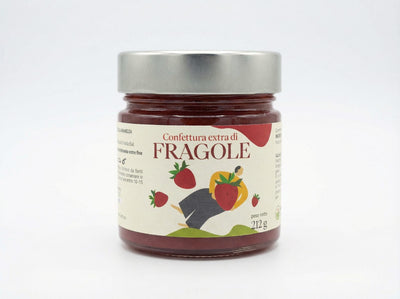
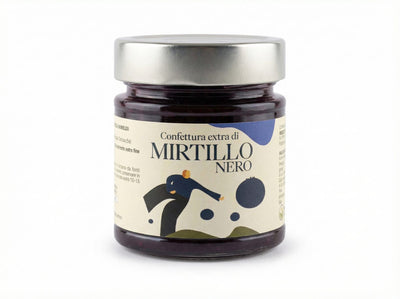
Minnelea crafts artisanal jams and confetture from southern Italy, capturing the region’s aromatic wealth in every jar. The fig jam in the collection embodies everything discussed here: a biological origin millennia old and a living tradition of craftsmanship. Explore the full range of fruit spreads and find your personal favourite from Cilento.
FAQ
What is the origin of fig jam?
It lies in the early domestication of the fig c. 11,400 years ago in the Middle East, combined with the European development of fruit spreads from the 16th century onward. The oldest evidence is from Gilgal I in the Jordan Valley.
Is fig jam the same as fig confettura?
Legally, no. EU law reserves “marmalade” for citrus spreads. Fig jam should correctly be called fig confettura, though “fig jam” remains common in everyday language.
What ingredients are needed for a classic fig jam recipe?
Ripe figs, sugar, lemon juice and, optionally, honey or spices such as cinnamon. Additional pectin is unnecessary; natural pectin and reduction provide the set.
Why is fig jam considered a special delicacy?
Southern-Italian cultivars like Dottato from Cilento give an aromatic profile with natural caramel notes unattainable by industrial products. Small-batch craft and high fruit content are the key quality markers.
How long does homemade fig jam keep?
When properly water-bath canned and stored in sterilised jars, up to twelve months. Once opened, refrigerate and consume within four weeks.
Further reading
- Storing Handmade Jam: How to Keep It Fresh – Azienda Agricola Minnelea
- Why Sugar and Fruit Content Matter in Marmalade – Azienda Agricola Minnelea
- Artisanal Fruchtkonserven: Was steckt wirklich dahinter? – Azienda Agricola Minnelea
- Sicilian Orange Marmalade: What Sets It Apart? – Azienda Agricola Minnelea