
Storing Handmade Jam: How to Keep It Fresh
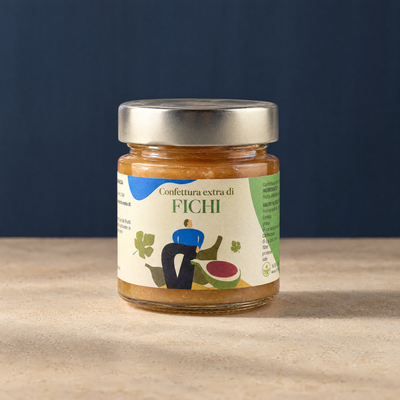
 | From our selection Fig JamHandmade, no preservatives. € 7,90 Discover → |
Storing handmade jam is no small matter. Whether you’ve simmered the fruit yourself or invested in a premium confettura, you want every spoonful to taste as vibrant as the day it was sealed. Yet most mishaps don’t happen at the stove—they happen afterwards: a foggy lid, a sticky spoon, a sunny shelf. These tiny lapses can shave weeks off shelf life or cost you the entire jar. This guide walks you through everything you need to know, from choosing the right jar to freezing a clever back-up stash.
Inhaltsverzeichnis
- Key Take-aways
- Jam-Storage Fundamentals
- Step-by-Step: Storing & Serving
- Freezing Jam: Extending Shelf Life
- Checking Shelf Life: When Is Jam Still Good?
- My Own Jam-Storage Journey
- Discover Minnelea’s Handmade Jam
- FAQ
Key Take-aways
| Point | Details |
|---|---|
| Storage before opening | Cool, dark and dry; cellar or pantry is ideal. |
| Storage after opening | Refrigerate immediately; keeps 4–6 weeks. |
| Serving hygiene | Use clean, dry spoons only; never lick and return. |
| Freezing option | Frozen jam lasts 6–12 months; best used within 6. |
| Mould means discard | If any mould appears, discard the entire jar. |
Jam-Storage Fundamentals
Great storage starts long before the pantry. It begins with the right jar and ends with the right spot on the shelf.
Jars & Utensils
Not every container is up to the task. Twist-off jars with brand-new, undented lids are the gold standard. Old lids with warped seals let air and microbes sneak in. Reused jars are fine—provided they’re scrubbed and fully sterilised.
Warming jars to 70–80 °C eases thermal shock when you pour in boiling jam and sanitises them at the same time. The old silver-spoon trick helps prevent cracks, but it’s no substitute for proper pre-heating.
Storage Spots Compared
| Location | Good before opening | Good after opening | Notes |
|---|---|---|---|
| Cellar (cool, dark) | Yes | No | Ideal for sealed stock |
| Pantry | Yes, if cool | No | Watch for temperature swings |
| Fridge | Yes | Yes | Mandatory once opened |
| Open shelf (warm, bright) | No | No | Light and heat are jam’s enemies |
The four golden rules at a glance:
- Dark: light accelerates oxidation and dulls colour and aroma.
- Cool: below 18 °C slows microbial activity.
- Airtight: a firm vacuum keeps microbes out.
- Dry: moisture invites mould, especially around the lid.
Pro tip: After sealing, invert the jars for a minute. The hot jam sterilises the lid from the inside and helps create a stronger vacuum.
One often-overlooked fact: light and heat dramatically shorten shelf life. A sunny kitchen shelf may look charming, but it’s the worst place for your lovingly made preserves.
Step-by-Step: Storing & Serving
Proper filling and proper serving go hand in hand if you want every jar to last.
Filling the Right Way
- Sterilise jars: Boil jars and lids for 10 min or dry-heat at 100 °C.
- Pre-warm jars: Keep them warm to reduce thermal shock.
- Fill hot: Ladle jam at ≥ 85 °C. Water-bath canning extends shelf life far beyond simple hot-filling.
- Clean rims: Wipe rims with a clean, damp cloth before sealing.
- Seal firmly: Screw lids on, invert briefly, then cool upright.
- Check vacuum: Once cool, the lid should be slightly concave. A “pop” on first opening is a good sign, but not a safety guarantee.
Serving Safely
The moment you first open the jar sets the tone for everything that follows. Hygienic serving is the key to preventing mould once the seal is broken.
Pro tip: Always use a clean, dry spoon—never one that’s been licked or used for something else. A single droplet of saliva or water can introduce mould spores.
Common slip-ups and how to dodge them:
- Wet spoon: moisture invites mould right inside.
- Leaving the jar out after opening: warmth and light speed up spoilage.
- Crumb fallout: bread particles give microbes a feast.
- Loose lid: air oxidises the jam faster.
- Sticky rim: residue prevents a tight seal.
Once opened, the jar goes straight into the fridge. Expect 4–6 weeks of peak quality, depending on sugar content and hygiene.
If dried jam rings form on the rim, wipe them away with a clean, damp cloth before the next use. Those crusty bits can harbour microbes and fall into the jar when you open it.
Freezing Jam: Extending Shelf Life
Freezing is one of the smartest ways to keep handmade confettura vibrant for months. When the harvest is generous or a batch turned out larger than expected, this trick is a lifesaver.
Prep & Suitable Containers
Not every jar survives the freezer. Standard twist-off glass can crack as jam expands. Wide-mouth jars with headspace are safer. Leave 1–2 cm of room at the top.
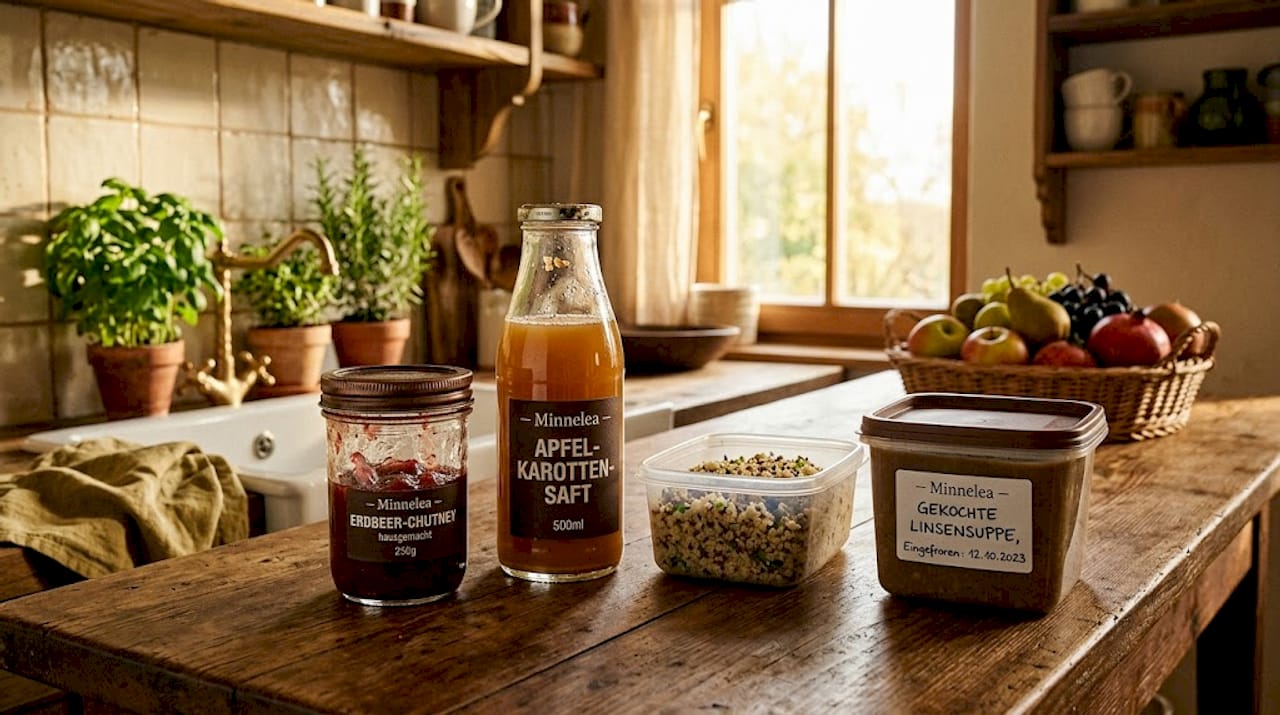
Freezer-grade plastic tubs or zip bags work beautifully, too. Portion them into 150–200 g servings so you only thaw what you need.
| Container | Freezer-safe | Notes |
|---|---|---|
| Wide-mouth glass | Yes, with headspace | Leave ≥ 2 cm gap |
| Standard twist-off | Borderline | Do not fill to rim |
| Freezer box (plastic) | Excellent | Flexible, portionable |
| Zip bag | Good | Space-saving, small batches |
Storage Time & Quality
Frozen jam keeps 6–12 months; flavour is best within the first 6. After that, texture may soften slightly while taste remains intact.
Portion freezing makes life easier. Pull out a single 150 g block for breakfast and the rest stays safely on ice.
Pro tip: Thaw slowly in the fridge, never on the counter. This preserves texture and aroma far better.
The upside is clear: months of extra shelf life without a single preservative. The only downsides are freezer space and the need to plan ahead—jam needs a few hours to regain its spreadable silkiness.
Checking Shelf Life: When Is Jam Still Good?
Handmade jam without preservatives behaves differently from commercial spreads. Knowing the signs keeps you safe and your breakfast delicious.
Shelf-Life at a Glance
According to consumer agencies, unopened jars stored cool and dark can last up to 2 years. Once opened, the clock ticks fast: 4–6 weeks in the fridge.
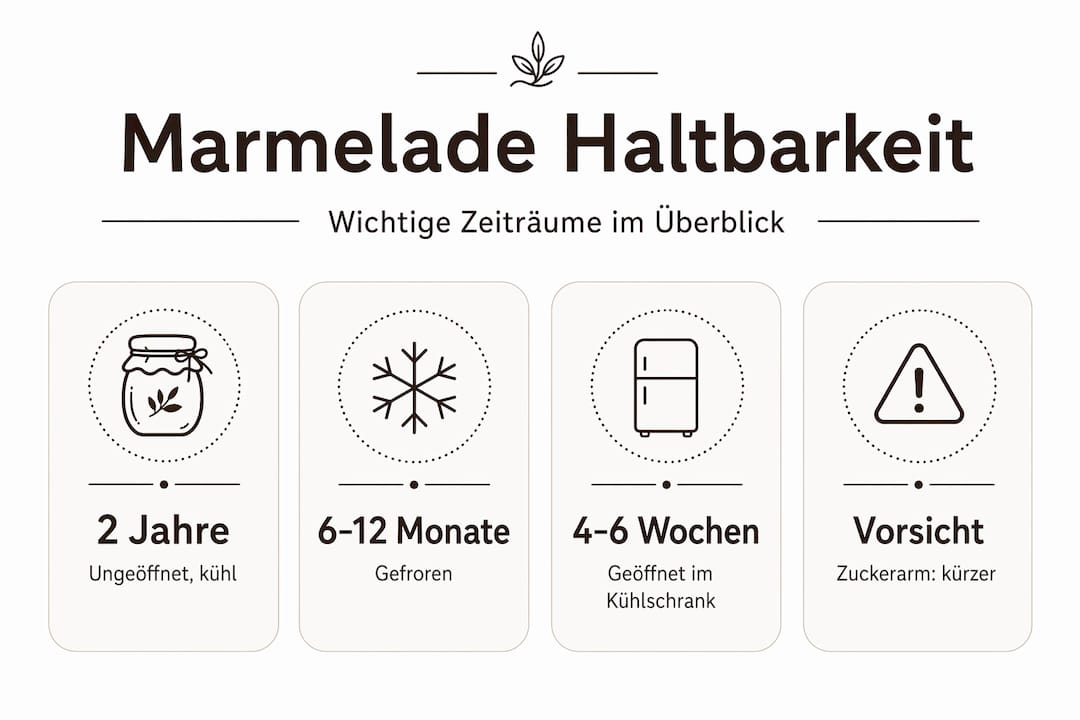
Low-sugar recipes need extra care. Hot-fill without proper canning shortens shelf life and raises risk. Enjoy these jars quickly or freeze them.
Signs of Spoilage
Trust all your senses:
- Sight: mould spots, colour changes, or a cloudy liquid layer on top.
- Smell: sour, alcoholic or musty notes instead of bright fruit.
- Texture: runny, slimy or otherwise altered.
- Lid: bulging or failure to “pop” on first opening can signal fermentation.
If you spot even a speck of mould, discard the entire jar. Mycelium threads run deep—scraping off the top is not enough and can be unsafe.
Everyday habits that shorten shelf life: room-temperature storage after opening, wet spoons, double-dipping, and keeping jars near heat or light sources. Small choices, big impact.
My Own Jam-Storage Journey
Over the years I’ve learned that the gravest mistakes happen not while cooking, but during daily use. My own blunder? Dipping the same knife I’d just buttered bread with straight into the jar. Harmless as it sounds, it invited mould within two weeks.
Now I’m strict: every opened jar goes straight to the fridge—no exceptions, no delays. Even if I’ve only lifted the lid for a second, back into the cold it goes.
Freezing changed the way I think of jam as pantry stock. I freeze small portions whenever I know a jar won’t be finished quickly. The diversity of southern fruit that Minnelea processes in micro-batches deserves that respect. Thawing a cube of Cilento sunshine on a winter morning is a small luxury.
My top tip: label every jar with the opening date, not the cooking date. It sounds fussy, but it keeps the fridge timeline crystal clear.
— carmine
Discover Minnelea’s Handmade Jam
Anyone who has ever stood over a bubbling pot knows the effort sealed inside each jar. Hand-picked fruit, small batches, zero compromise. That is the creed followed by Minnelea in Cilento, southern Italy.
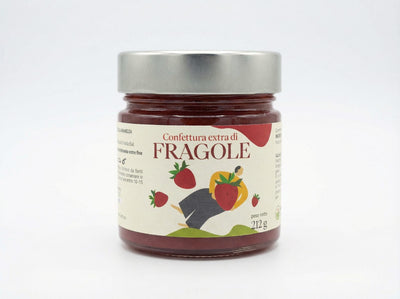
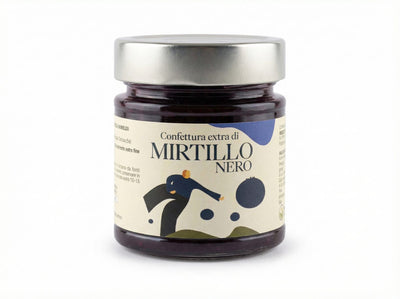
Minnelea crafts handmade confetture and marmellate from carefully selected regional fruit, free from preservatives and bursting with an aromatic profile no industrial line can match. From the 130 % strawberry confettura to sun-kissed Cilento orange-lemon marmellata, every jar tells the story of painstaking craft. Looking for a special gift? Minnelea’s elegant gift sets marry flavour and artistry in one beautiful package.
FAQ
How long does unopened handmade jam last?
Up to 2 years when stored cool and dark—especially for traditionally canned recipes with adequate sugar.
Does opened jam need to go in the fridge?
Yes. Light and warmth accelerate spoilage and oxidation dramatically.
Can you freeze jam?
Absolutely. Frozen jam keeps 6–12 months; for peak quality, use within 6.
What if my jam develops mould?
Discard the whole jar. Mycelium spreads invisibly throughout the product.
How can I tell if jam is still good?
Fresh jam smells fruity and looks uniform. Musty odours, discolouration, or a bulging lid are clear red flags.
Recommendations
- Sicilian Orange Marmalade: What Sets It Apart? – Azienda Agricola Minnelea
- Cilento Orange and Lemon Marmalade · Artisan · Minnelea – Azienda Agricola Minnelea
- Cilento Washington Orange Marmalade · Artisan · Minnelea – Azienda Agricola Minnelea
- Stocking Premium Marmalade in 2026 – Azienda Agricola Minnelea