
Zo kies je een ambachtelijk voedingsmerk voor wederverkoop
Wanneer je een ambachtelijk voedingsmerk op het schap zet, koop je geen potten: je koopt een verhaal dat jouw winkel maandenlang zal vertellen. Dit zijn de criteria om te bepalen of een Italiaans merk jouw ruimte verdient — en de signalen waarvoor je moet wegrennen.
 |
Uit ons assortiment
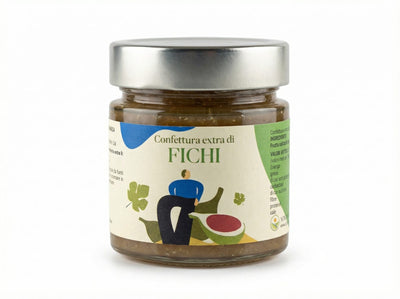
VijgenjamHandgemaakt, zonder conserveringsmiddelen.
€ 7,90
Ontdek →
|

Het product proef je, het merk verkoop je door
Twee potten jam kunnen even lekker zijn. Maar de ene heeft een anoniem etiket en een naam bedacht door een copacker; de andere heeft een echte producent, een atelier met een adres, een gezicht dat tekent. Bij gelijke smaak verkoopt de tweede beter, vertelt hij beter en draagt hij een hogere prijs. De klant koopt niet opnieuw "de vijgenjam": hij koopt opnieuw die jam, van dat merk, ontdekt bij jou.
De 6 criteria om een ambachtelijk voedingsmerk te beoordelen
- Is de maker ook de ondertekenaar? Veel "ambachtelijke merken" zijn commerciële etiketten op copacker-producten. Vraag waar het atelier staat en wie er werkt. Is het antwoord vaag, dan is het merk leeg.
- Overleeft het etiket het lezen? Korte, begrijpelijke ingrediënten. Jam met fruit, suiker en verder niets vertelt zijn kwaliteit zelf.
- Is de positionering coherent? Site, verpakking, prijzen en kanalen moeten hetzelfde zeggen. Een ambachtelijk merk dat ook bij de discounter ligt, heeft het verhaal dat jij wilt verkopen al verramsjt.
- Beschermt het jouw regio? De waarde van een onderscheidend merk stort in als drie winkels in dezelfde buurt het hebben. Exclusiviteit per regio (Minnelea: 30 km) garandeert dat de investering van jou blijft.
- Helpt het je verkopen? Productkaarten, combinatietips, toonbankmateriaal, herbruikbare content: een volwassen merk werkt met je mee en laat je niet alleen met de doos.
- Staan de marges op papier? Gereserveerde prijslijst, adviesprijs, heldere nabestelvoorwaarden. Komen de cijfers "mondeling", dan komen de verrassingen ook.

De alarmsignalen
- BOB/BGA-keurmerken (DOP/IGP) losjes gebruikt, zonder gedocumenteerde certificering
- Enorme catalogi "alles ambachtelijk" (geen enkel ambachtelijk atelier maakt 200 referenties)
- Geen minimale afname maar ook geen exclusiviteit: dan verkopen ze aan iedereen
- Productfoto's die onherkenbaar zijn vergeleken met wat er in de doos zit
De ultieme test: de vraag aan de toonbank
Stel je de klant voor die naar de pot wijst en vraagt: "Wat is dit?". Heb je met dat merk een antwoord van dertig seconden dat eindigt met een proeverij, dan heb je goed gekozen. Daarom geven wij wederverkopers het verhaal van elk product: het vijgenras, de oogstweek, het waarom van geen toegevoegde pectine.
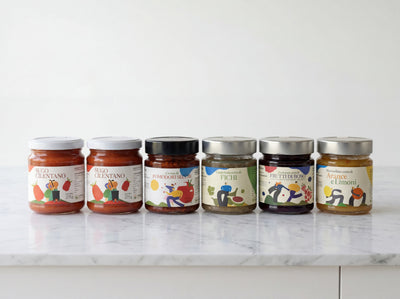
Minnelea beoordelen als merk voor jouw winkel? Begin bij hoe wederverkoop werkt, bekijk het groothandelsaanbod of vraag proefpakket en prijslijst aan.
Veelgestelde vragen
Beter veel kleine merken of weinig goed gekozen merken verkopen?
Weinig en goed gekozen: elk extra merk verdunt de ruimte en het verhaal. Drie merken met een echt verhaal en exclusiviteit zijn meer waard dan tien inwisselbare etiketten.
Hoe herken ik of een ambachtelijk merk door een copacker wordt gemaakt?
Vraag het adres van het atelier en of het te bezoeken is, en vergelijk de naam op het etiket met de vermelde productielocatie: produceren anderen het, dan is het merk commercieel, niet ambachtelijk.
Is een opkomend merk een risico voor de winkel?
Minder dan het lijkt, als de basis klopt (eigen productie, schoon etiket, marges op papier): het merk dat groeit, beloont de verkooppunten die het als eerste ontdekten.