
Marmeladen Regal Platzierung erklärt: Tipps 2026
 |
Passend aus unserem Sortiment
FeigenkonfitüreHandgemacht, ohne Konservierungsstoffe.
€ 7,90
Jetzt entdecken →
|
Die Regalplatzierung von Marmeladen ist der entscheidende Faktor zwischen einem Produkt, das gesehen wird, und einem, das verkauft wird. Wer im Delikatessenhandel oder im Lebensmitteleinzelhandel Fruchtaufstriche präsentiert, braucht mehr als ein gut sortiertes Regal. Er braucht ein System. Die Marmeladen Regal Platzierung erklärt sich aus drei Grundprinzipien: Zoneneinteilung, Blockbildung und aktive Verkaufsförderung. Dazu kommen 2026 neue gesetzliche Vorgaben durch die überarbeitete Konfitürenverordnung, die das Sortiment und die Beschilderung direkt beeinflussen. Wer diese Prinzipien kennt und konsequent umsetzt, steigert Sichtbarkeit, Impulskäufe und Kundenzufriedenheit spürbar.
Wie funktioniert die Zoneneinteilung im Marmeladenregal?
Die Regalzoneneinteilung, im Fachhandel auch als Category-Management-Grundlage bezeichnet, teilt das Regal in drei Höhenbereiche mit klar unterschiedlicher Kaufwirkung. Studien belegen, dass Kunden Produkte in der Reckzone auf Augenhöhe am schnellsten wahrnehmen und häufiger kaufen. Diese Zone ist die profitabelste Verkaufsfläche im gesamten Regal, was bedeutet, dass hier ausschließlich margenstarke oder bekannte Marken stehen sollten.
Die drei Zonen im Überblick:
- Reckzone (Augenhöhe, ca. 120 bis 160 cm): Hier gehören Premium-Marmeladen, bekannte Marken und Neuheiten hin. Produkte wie handwerklich hergestellte Fruchtaufstriche aus Süditalien, etwa die Sortimente von Minnelea, entfalten hier ihre volle visuelle Wirkung durch elegante Verpackungen und klare Herkunftskommunikation.
- Greifzone (ca. 80 bis 120 cm): Diese Zone ist bequem erreichbar und eignet sich für Standardartikel und Bestseller mittlerer Preisklasse. Kunden greifen hier spontan zu, ohne nachzudenken.
- Bückzone (unter 80 cm): Handelsmarken, Großgebinde und preissensible Produkte finden hier ihren Platz. Kunden, die gezielt nach günstigen Optionen suchen, nehmen die Mühe des Bückens in Kauf.
Einzelhändler erzielen den besten Umsatz, wenn hochwertige Marken in der Reckzone stehen, Standardartikel in der Greifzone und Handelsmarken in der Bückzone. Diese Zuordnung folgt der Kauferwartung der Kunden und reduziert kognitive Reibung beim Einkauf.
Profi-Tipp: Platzieren Sie neue Produkte oder saisonale Sondereditions immer in der Reckzone, auch wenn sie preislich im mittleren Segment liegen. Die erhöhte Sichtbarkeit erzeugt Neugier und beschleunigt die Einführungsphase erheblich.
Die Zoneneinteilung nach Reck-, Greif- und Bückzone sollte stets durch klare Beschilderung und optische Struktur verstärkt werden, um maximale Kaufbereitschaft zu ermöglichen. Ein Regal ohne visuelle Führung wirkt chaotisch, selbst wenn die Produkte korrekt positioniert sind.
Blockplatzierung und Markenfenster: Wie ordnet man Marmeladen strategisch an?
Die Blockplatzierung ist das wirksamste Werkzeug zur strukturierten Marmeladenanordnung im Geschäft. Blockbildung bündelt Marken und Produktvarianten kompakt, erleichtert den Suchvorgang und steigert Impulskäufe. Das Prinzip funktioniert sowohl horizontal als auch vertikal: Horizontal werden Geschmacksrichtungen einer Marke nebeneinander gruppiert, vertikal werden Preissegmente übereinander angeordnet.
So gestalten Sie ein strukturiertes Marmeladenregal Schritt für Schritt:
- Ankermarke am Regalanfang platzieren: Die bekannteste oder hochwertigste Marke steht am Beginn des Regalblocks. Sie zieht den Blick an und führt den Kunden in das Sortiment hinein.
- Horizontale Geschmacksblöcke bilden: Alle Varianten einer Marke stehen nebeneinander. Erdbeer, Aprikose und Feige von Minnelea zum Beispiel bilden einen geschlossenen Markenblock, der sofort als Einheit erkannt wird.
- Preissegmente vertikal staffeln: Premium oben, Standard in der Mitte, Handelsmarken unten. Diese Logik entspricht der natürlichen Blickführung von oben nach unten.
- Verpackungsgrößen innerhalb des Blocks ordnen: Kleine Gläser vorne, große Gläser hinten oder seitlich. Das verhindert, dass voluminöse Verpackungen kleinere Produkte verdecken.
| Kriterium | Blockplatzierung | Gemischte Anordnung |
|---|---|---|
| Wiedererkennungswert | Hoch, Markenidentität klar sichtbar | Gering, Produkte gehen unter |
| Suchaufwand für Kunden | Niedrig, logische Struktur | Hoch, Orientierung fehlt |
| Impulskaufrate | Erhöht durch Markenfenster | Reduziert durch Unübersichtlichkeit |
| Eignung für Premium-Sortiment | Sehr gut | Ungeeignet |
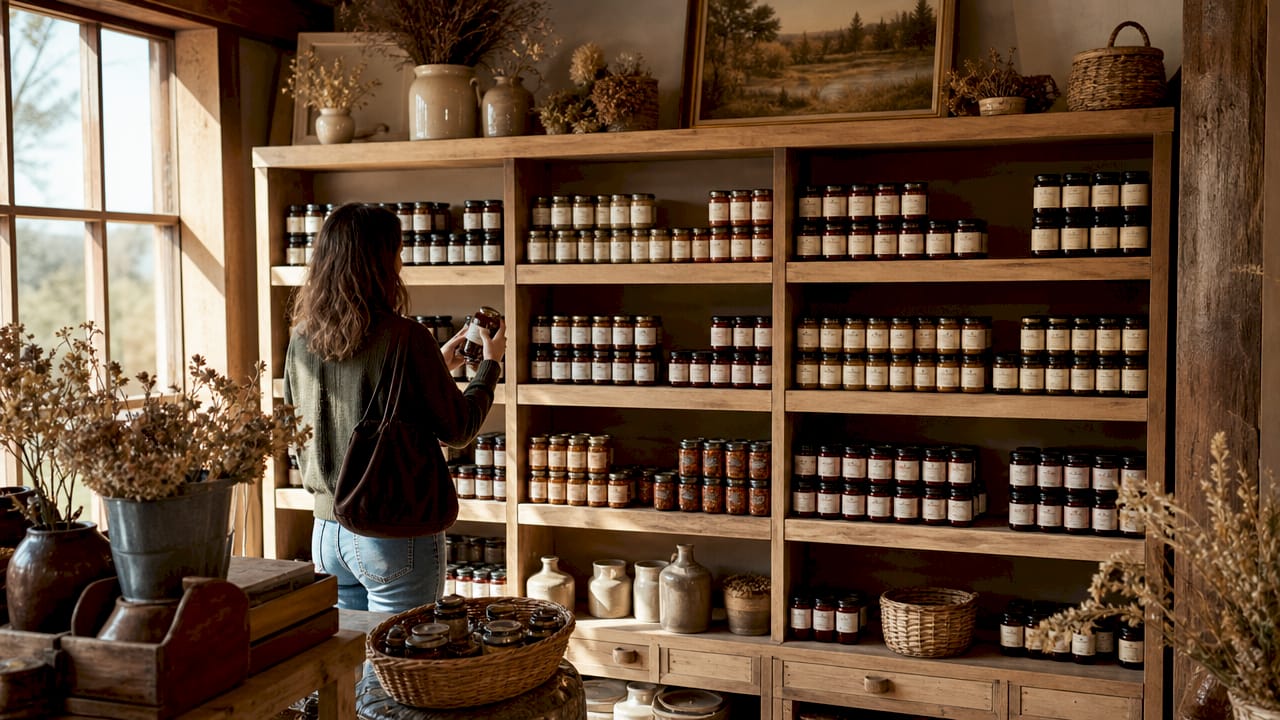
Ankermarken als Blickfang am Regalanfang fördern den schnellen Wiedererkennungswert und lenken den Kundenstrom gezielt durch das Sortiment. Für Delikatessengeschäfte, die handwerkliche Produkte aus Süditalien führen, ist diese Methode besonders wirksam, weil die Verpackungsästhetik als stiller Verkäufer fungiert.
Was ändert die neue Konfitürenverordnung 2026 für die Regalplatzierung?
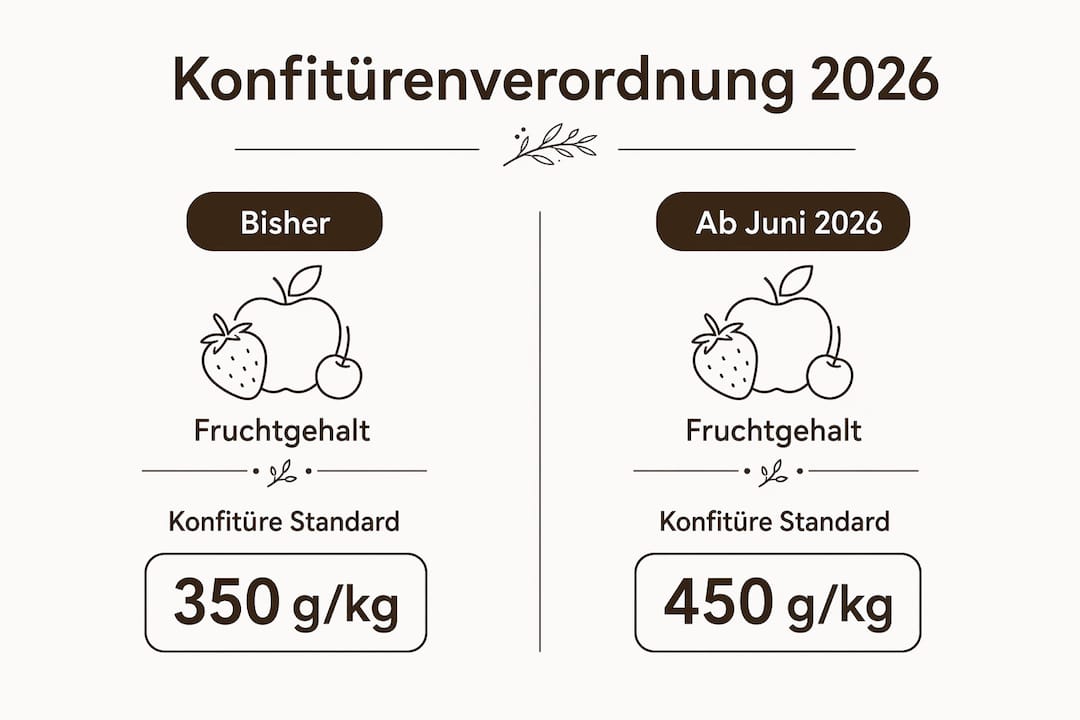
Ab dem 14. Juni 2026 dürfen alle Fruchtaufstriche, die die gesetzlichen Anforderungen erfüllen, offiziell als Marmelade bezeichnet werden. Der Mindestfruchtgehalt steigt dabei bei Konfitüre von 350 auf 450 g/kg und bei der Kategorie “Extra” von 450 auf 500 g/kg. Diese Änderung hat direkte Konsequenzen für die Beschilderung, die Verpackungsgestaltung und die Sortimentsstruktur im Regal.
| Kategorie | Fruchtgehalt bisher | Fruchtgehalt ab Juni 2026 |
|---|---|---|
| Konfitüre Standard | 350 g/kg | 450 g/kg |
| Konfitüre Extra | 450 g/kg | 500 g/kg |
| Bezeichnung | Konfitüre oder Marmelade (eingeschränkt) | Marmelade für alle konformen Produkte |
Für den Handel bedeutet das eine Übergangsphase, in der Produkte mit alter und neuer Bezeichnung nebeneinander im Regal stehen. Kunden, die jahrelang nach “Konfitüre” gegriffen haben, könnten kurzzeitig verwirrt sein, wenn dieselbe Ware plötzlich als “Marmelade” ausgezeichnet ist. Die neue Verordnung vereinfacht die Vermarktung, weil sie Alltagssprache und Recht endlich in Einklang bringt. Das ist eine Chance für klare Kommunikation am Regal.
Die Auswirkungen auf die Regalgestaltung sind konkret: Beschilderungen müssen aktualisiert werden, Category Signs sollten die neue Bezeichnung aufgreifen, und Verpackungen, die noch die alte Terminologie tragen, brauchen einen erklärenden Hinweis. Mehr zur Bedeutung des Fruchtgehalts für die Kennzeichnung erklärt Minnelea in einem eigenen Beitrag, der die neuen Anforderungen praxisnah aufschlüsselt.
Profi-Tipp: Nutzen Sie die Umstellungsphase aktiv als Kommunikationschance. Ein kleines Regalschild mit dem Text “Jetzt offiziell: Marmelade statt Konfitüre, gleiche Qualität, höherer Fruchtgehalt” schafft Vertrauen und erklärt die Änderung, bevor der Kunde nachfragt.
Für Händler, die Premium-Marmelade im Sortiment platzieren, bietet die neue Verordnung einen klaren Vorteil: Produkte mit hohem Fruchtgehalt wie die Minnelea-Sortimente erfüllen die neuen Standards problemlos und können die Bezeichnung “Marmelade” mit Überzeugung tragen.
Wie steigert man Impulskäufe durch Zweitplatzierungen im Marmeladenregal?
Zweitplatzierungen sind eine der wirksamsten Methoden zur Absatzsteigerung bei Fruchtaufstrichen. Zweitplatzierungen in stark frequentierten Bereichen wie der Brotabteilung erhöhen nachweislich die Impulskäufe von Fruchtaufstrichen deutlich. Der Gedanke dahinter ist einfach: Wer Brot kauft, denkt an Aufstrich. Wer Aufstrich sieht, kauft ihn.
Bewährte Strategien für Zweitplatzierungen im Überblick:
- Brotabteilung: Die logischste und wirkungsvollste Zweitplatzierung. Ein kleines Display mit drei bis fünf ausgewählten Marmeladen direkt neben Brot und Brötchen erzeugt sofortige Kaufassoziation.
- Kassenbereich: Kleine Gläser in attraktiver Verpackung eignen sich hervorragend als Impulskauf kurz vor dem Bezahlen. Minnelea-Gläser im 100g-Format funktionieren hier besonders gut, weil sie als Mitbringsel oder Kostprobe wahrgenommen werden.
- Käse- und Charcuterie-Bereich: Fruchtaufstriche als Begleiter zu Käse sind in der Delikatessenbranche ein etabliertes Cross-Selling-Konzept. Eine Feigenmarmelade neben einem Pecorino spricht für sich.
- Saisonale Aktionsflächen: Zu Weihnachten, Ostern oder regionalen Festen erzielen Marmeladen auf Aktionsdisplays mit thematischer Gestaltung überdurchschnittliche Absätze.
Attraktive Aufsteller in warmen Holztönen erhöhen die wahrgenommene Qualität und steigern Impulskäufe spürbar. Für handwerkliche Produkte aus dem Mittelmeerraum ist diese Präsentationsform besonders stimmig, weil sie die Herkunftsästhetik unterstreicht und das Produkt in einen emotionalen Kontext setzt.
Große und schwere Marmeladengläser sollten in gut erreichbaren Zonen platziert und gegebenenfalls mit einer Zweitplatzierung ergänzt werden, um Kundenfrustration zu vermeiden. Ein 500g-Glas in der Bückzone ist eine verpasste Chance. Dasselbe Glas auf einem Holzdisplay in der Greifzone neben der Brottheke verkauft sich von selbst.
Hilfreiche Impulse zur Gestaltung von Merchandising-Flächen im Lebensmittelhandel zeigen, wie strukturierte Zweitplatzierungen systematisch geplant und umgesetzt werden können.
Wie pflegt man das Marmeladenregal für dauerhaften Verkaufserfolg?
Ein gut konzipiertes Regal verliert seinen Wert, wenn die tägliche Pflege fehlt. Unleserliche oder unvollständige Preisschilder vermindern die Kauflust und führen zu Kundenunzufriedenheit. Das klingt banal, ist aber einer der häufigsten Fehler im Marmeladenregal. Regelmäßige Regalpflege ist kein Aufwand, sie ist Umsatzsicherung.
So halten Sie Ihr Marmeladenregal dauerhaft in Topform:
- Preisauszeichnung täglich prüfen: Jedes Produkt braucht ein lesbares Preisschild mit Grundpreisangabe (Preis pro 100g). Sonderaktionen müssen klar als solche erkennbar sein, mit Ausgangs- und Aktionspreis.
- Lücken sofort schließen: Leere Stellen im Regal signalisieren Kunden, dass ein Produkt ausverkauft oder unbeliebt ist. Beides schadet dem Gesamteindruck. Nachfüllen hat Priorität, auch wenn das bedeutet, vorübergehend ein anderes Produkt vorzurücken.
- Beschädigte Verpackungen entfernen: Ein einziges zerbrochenes oder verschmiertes Glas kann den Eindruck des gesamten Regals ruinieren. Tauschen Sie beschädigte Ware sofort aus und lagern Sie einen kleinen Puffer im Lager.
- Saisonale Anpassungen planen: Erdbeer-Marmeladen gehören im Frühjahr nach vorne, Feige und Quitte im Herbst. Wer das Regal mit den Jahreszeiten atmen lässt, spricht Kunden emotional an.
- Category Signs aktuell halten: Mit der neuen Konfitürenverordnung 2026 müssen Beschilderungen angepasst werden. Veraltete Bezeichnungen verwirren Kunden und wirken unprofessionell.
Profi-Tipp: Legen Sie einen festen Rhythmus für die Regalrevision fest, zum Beispiel jeden Montag vor Ladenöffnung. Zehn Minuten strukturierte Kontrolle pro Woche verhindern die meisten Präsentationsfehler und halten das Regal dauerhaft auf Verkaufsniveau.
Klare Regalzonen müssen durch sichtbare Category Signs ergänzt werden, um Kundenführung und Kaufbereitschaft zu maximieren. Und eine klare Regalstruktur führt Kunden gezielt, vermindert deren Stress und erhöht Kaufimpulse. Das ist kein Zufall, sondern das Ergebnis konsequenter Regalpflege.
Wichtigste Erkenntnisse
Die optimale Regalplatzierung von Marmeladen verbindet Zoneneinteilung, Blockbildung, gesetzeskonforme Beschilderung und aktive Verkaufsförderung zu einem System, das Sichtbarkeit und Umsatz gleichzeitig steigert.
| Punkt | Details |
|---|---|
| Zoneneinteilung konsequent nutzen | Premium-Marmeladen in die Reckzone, Standardartikel in die Greifzone, Handelsmarken in die Bückzone platzieren. |
| Blockbildung als Grundprinzip | Marken und Geschmacksrichtungen kompakt bündeln, um Orientierung zu schaffen und Impulskäufe zu fördern. |
| Konfitürenverordnung 2026 umsetzen | Beschilderungen und Verpackungshinweise rechtzeitig anpassen, um Kundenverwirrung in der Übergangsphase zu vermeiden. |
| Zweitplatzierungen gezielt einsetzen | Brotabteilung, Kassenbereich und Käsetheke als Impulskauf-Flächen für ausgewählte Marmeladen nutzen. |
| Regelpflege als Umsatzsicherung | Preisschilder, Lücken und beschädigte Verpackungen wöchentlich kontrollieren und sofort korrigieren. |
Was ich nach Jahren im Feinkosthandel gelernt habe
von carmine
Ich habe viele Regale gesehen, die technisch korrekt aufgebaut waren und trotzdem nicht verkauft haben. Das Problem war fast immer dasselbe: Die Struktur war vorhanden, aber die Seele fehlte. Ein Marmeladenregal im Delikatessenbereich ist kein Lager. Es ist eine Bühne.
Was ich in der Praxis immer wieder beobachte: Händler investieren viel in die Erstbestückung und vernachlässigen dann die laufende Pflege. Nach drei Wochen stehen Gläser schief, Preisschilder fehlen, und die schönste Minnelea-Feigenmarmelade versteckt sich hinter einem Großgebinde Erdbeer. Das kostet Umsatz, jeden Tag.
Die neue Konfitürenverordnung 2026 sehe ich als Chance, nicht als Bürde. Wer jetzt seine Beschilderung überarbeitet und die Bezeichnung “Marmelade” selbstbewusst kommuniziert, zeigt Kompetenz. Kunden merken, wenn ein Händler die Veränderungen kennt und erklärt. Das schafft Vertrauen, und Vertrauen verkauft.
Mein ehrlichster Rat: Stellen Sie sich einmal pro Woche vor Ihr Marmeladenregal und schauen Sie es mit den Augen eines Kunden an, der das Geschäft zum ersten Mal betritt. Was sieht er zuerst? Was verwirrt ihn? Was zieht ihn an? Die Antworten auf diese drei Fragen sind Ihr bester Leitfaden für die nächste Regalrevision.
— carmine
Minnelea-Marmeladen: Qualität, die im Regal überzeugt
Wer ein Marmeladenregal mit echtem Charakter gestalten möchte, braucht Produkte, die für sich sprechen. Die Marmeladen von Minnelea, hergestellt in kleinen Chargen in Cilento, Süditalien, erfüllen die neuen Anforderungen der Konfitürenverordnung 2026 mit einem natürlich hohen Fruchtgehalt und ohne Kompromisse bei der Qualität. Jedes Glas trägt die Handschrift einer Region, in der Feigen, Zitronen und Wildbeeren nicht Rohstoffe sind, sondern Charaktere.
Für Delikatessengeschäfte, Feinkostläden und Concept Stores bietet Minnelea ein Sortiment, das in der Reckzone glänzt und Kunden zum Greifen einlädt. Entdecken Sie das vollständige Marmeladen-Sortiment von Minnelea und finden Sie die Produkte, die Ihr Regal zum Erlebnis machen.
FAQ
Was bedeutet Reckzone, Greifzone und Bückzone im Regal?
Die Reckzone liegt auf Augenhöhe (ca. 120 bis 160 cm) und ist die profitabelste Zone für Premium-Produkte. Die Greifzone (80 bis 120 cm) eignet sich für Bestseller, die Bückzone (unter 80 cm) für Handelsmarken und Großgebinde.
Wo sollte man Marmelade im Regal am besten platzieren?
Hochwertige Marmeladen gehören in die Reckzone auf Augenhöhe, weil Kunden dort am häufigsten zugreifen. Standardartikel kommen in die Greifzone, günstige Varianten in die Bückzone.
Was ändert sich durch die Konfitürenverordnung 2026 für den Handel?
Ab dem 14. Juni 2026 dürfen alle Fruchtaufstriche, die den erhöhten Mindestfruchtgehalt erfüllen, offiziell als Marmelade bezeichnet werden. Händler müssen Beschilderungen und Category Signs entsprechend aktualisieren.
Was sind Zweitplatzierungen und warum steigern sie den Absatz?
Zweitplatzierungen sind zusätzliche Präsentationsflächen außerhalb des Stammregals, zum Beispiel in der Brotabteilung oder am Kassenbereich. Sie erhöhen die Sichtbarkeit und lösen Impulskäufe aus, weil sie Kunden im richtigen Moment ansprechen.
Wie oft sollte man das Marmeladenregal kontrollieren?
Eine wöchentliche Kontrolle von Preisschildern, Lücken und Verpackungszustand reicht in den meisten Fällen aus. In stark frequentierten Geschäften empfiehlt sich eine tägliche Sichtkontrolle vor Ladenöffnung.