
Typical Cilento Products: The Gourmet Guide
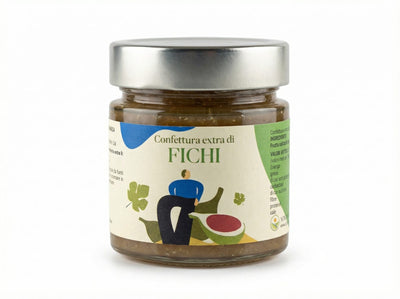
 | From our selection Fig JamHandmade, no preservatives. € 7,90 Discover → |
Cilento is one of southern Italy’s least tourist-trodden regions, and that is precisely where its culinary secret lies. Ask what typical Cilento products are and you open a door onto a kitchen that has remained untouched for centuries: buffalo mozzarella from the Paestum plain, hand-caught anchovies from the sea off Pisciotta, white figs that dry in the autumn sun. This area is not just beautiful. It tastes of real Italy, of Mediterranean tradition and of ingredients that still know their origin.
Table of Contents
- Key Takeaways
- What are typical Cilento products?
- Cheese, oils, pasta and pulses
- Fish and meat specialities from Cilento
- Sweet and preserved treats from Cilento
- Buying and enjoying Cilento specialities
- My experience with Cilento’s culinary wealth
- Experience Cilento at home with Minnelea
- FAQ
Key Takeaways
| Point | Details |
|---|---|
| Origin & protection | Many typical Cilento products carry Slow Food Presidio status and are shaped by centuries-old recipes. |
| Category diversity | The range spans cheese and olive oil to pasta and pulses, fish and sweet preserves. |
| Mediterranean diet foundation | Cilento is considered the cradle of the Mediterranean diet, directly influencing its product world. |
| Know your sources | Authentic specialities are best found at local markets, in agriturismi or from specialist delicatessens. |
| Minnelea as gateway | If you can’t travel, Minnelea offers handcrafted Cilento delicacies of premium quality. |
What are typical Cilento products?
In food-culture jargon, “typical Cilento products” are known as prodotti tipici or prodotti tradizionali—regionally rooted foods with cultural identity. Not every product from southern Italy carries this character. In Cilento, the combination of soil, climate, animal and craft decides whether a product is truly typical.
Cilento is a UNESCO World Heritage site and is regarded as the birthplace of the Mediterranean diet. This is no marketing claim but historical fact: American nutritionist Ancel Keys lived and researched for decades in Pioppi, a tiny village right on the Cilento coast. The diet of the locals—rich in olive oil, pulses, fish and fresh vegetables—became the basis of a global nutritional model.
Production of typical specialities often follows centuries-old recipes using natural ingredients. Craft trumps industry here. Tiny batches, seasonality and direct connection to the land shape flavour in a way no factory can replicate.
Some key features that distinguish typical Cilento products:
- Slow Food Presidio protection for particularly endangered or rare specialities
- DOP and IGP certifications for geographically protected origin
- Production in small farms, agriturismi or family-run businesses
- Use of regional breeds, varieties and cultivars without industrial cross-breeding
- Seasonal availability as a quality hallmark, not a limitation
Pro tip: Look for the “Presidio Slow Food” mark on the label. This status guarantees not only quality but also the survival of traditional methods that would otherwise be lost.
Cheese, oils, pasta and pulses
To understand Cilento foods, start with the three pillars: cheese, oil and grain. Everything else builds on them.
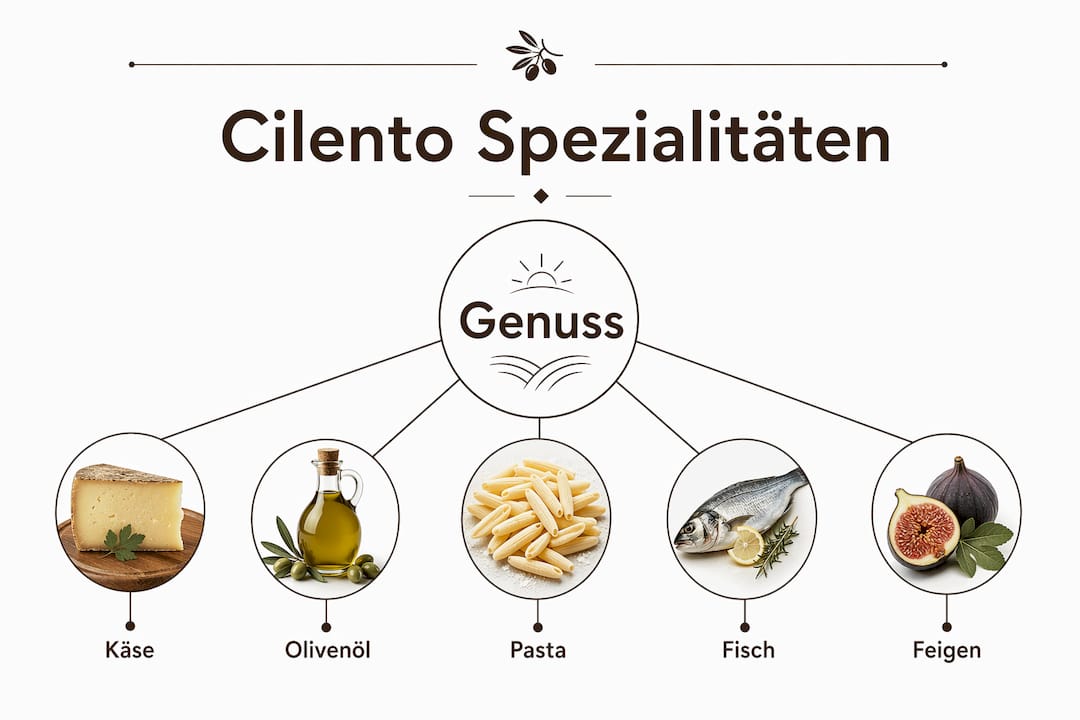
Buffalo mozzarella DOP from Capaccio Paestum
The best-known Cilento export is buffalo mozzarella DOP, made in the around Capaccio Paestum. Fresh, hand-stretched, with a milky-tender skin and a heart that releases a little whey when sliced. This cheese is no supermarket product. It lives on freshness and should be eaten within 24 hours of production.
Extra-virgin olive oil
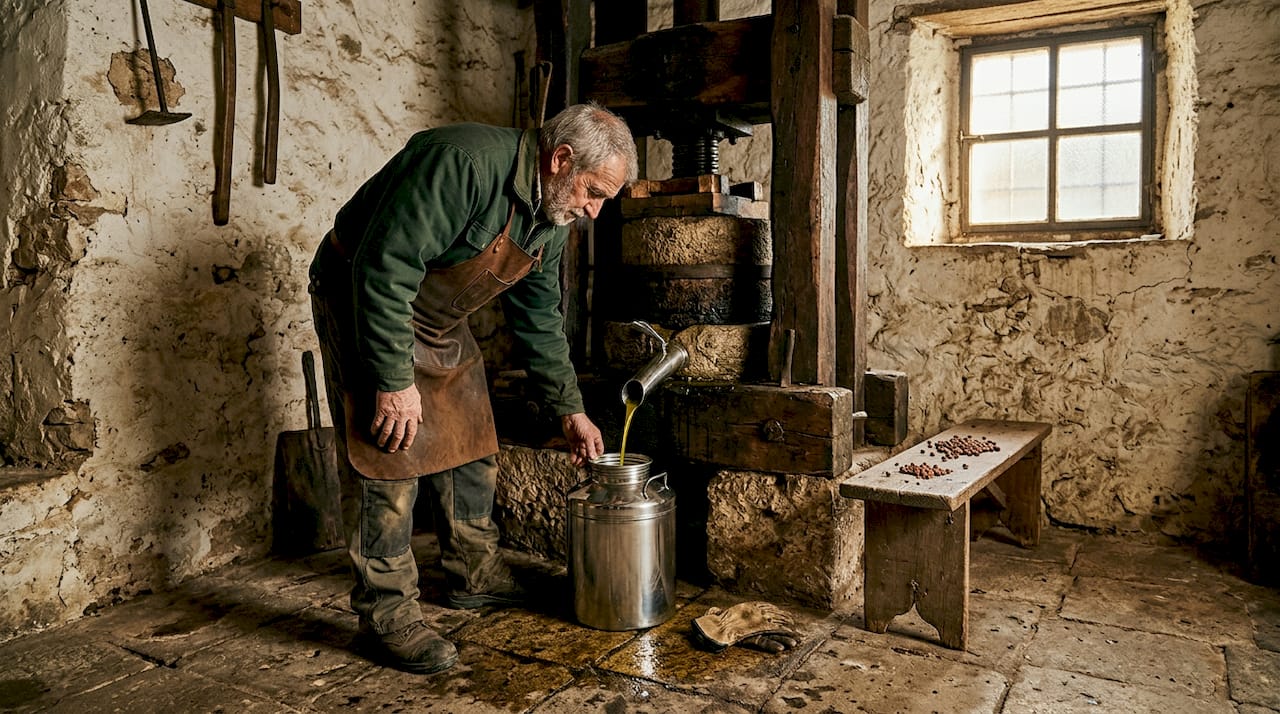
Cilento olive oil carries the DOP seal “Cilento” and comes mainly from the Pisciottana cultivar. The oil has a robust, slightly peppery finish with a high polyphenol content, making it one of the healthiest culinary oils available. It is the base of almost every traditional Cilento dish.
Pasta specialities
Typical pastas such as Cavateddi, Lagane e Ceci and Fusilli di Felitto are under Slow Food Presidio protection. Cavateddi are small, hollow durum-wheat noodles; Lagane e Ceci pairs broad pasta ribbons with chickpeas in a dish that is both main course and cultural heritage. Cilento pasta is often made from just two ingredients and showcases rural creativity in its purest form.
| Product | Category | Distinctive trait |
|---|---|---|
| Buffalo mozzarella DOP | Cheese | Made in Capaccio Paestum, fresh daily |
| Olive oil DOP Cilento | Oil | Pisciottana cultivar, robust and polyphenol-rich |
| Cavateddi | Pasta | Slow Food Presidio, from two basic ingredients |
| Lagane e Ceci | Pasta & pulses | Traditional dish with chickpeas |
| Fusilli di Felitto | Pasta | Hand-rolled, from the village of Felitto |
| White figs | Dried fruit | Dried and fresh, a regional insider tip |
Pulses play a role in Cilento cuisine rarely seen elsewhere in Italy. Chickpeas, lentils and white beans are grown on site, smaller than industrially bred varieties and carrying a deeper, nuttier aroma.
Fish and meat specialities from Cilento
Alici di Menaica: Italy’s finest anchovies
The hand-caught anchovies “Alici di Menaica” rank among the most remarkable Cilento delicacies. The Menaica is an ancient net used only at night, capturing only fully grown, silvery anchovies. Smaller fish slip through the mesh. It is sustainable, almost meditative, and the result is unique in flavour: softer, less salty than industrially processed cousins, with rose-coloured flesh and an aroma that recalls the open sea.
Processing is traditional: clay jars, sea salt, no preservatives. Maturation lasts several months. Alici di Menaica form the base for pasta dishes, top bruschetta or are eaten straight from the jar with good bread.
Pro tip: When buying Alici di Menaica, look for “da Pisciotta”. The small village of Pisciotta is the stronghold of this tradition and guarantees the most authentic processing.
Charcuterie: Soppressata, Capocollo & Co.
Cilento charcuterie follows the same principle as every other regional product: little, but excellent. The main ones are:
- Soppressata cilentana: air-dried salami from pork, seasoned with black pepper and occasionally chilli. Firm bite, intense flavour.
- Capocollo: made from the neck of the pig, slowly matured and marked by a mild, almost buttery aroma.
- Soppressata in oil: a softer version preserved in olive oil, perfect on an antipasti platter.
- Prosciutto cilentano: raw ham with long ageing, more rustic than Parma, with a hint of wild charm.
These cured meats are deeply rooted in the Cilento Mediterranean diet: eaten in small quantities, as a complement, never the main act.
Sweet and preserved treats from Cilento
Cilento’s sweet and preserved specialities tell a story of preservation culture. Before refrigeration, conserving was survival. Today it is art.
White figs: the quiet star
Cilento white white figs are a culinary insider tip, enjoyed both fresh and dried. Fresh, they taste honeyed, with a delicate, almost translucent skin. Dried and stuffed with almonds or walnuts, they become a natural confection that needs neither sugar nor additives. The season is short; miss it and you wait until next autumn.
Marmalades and confetture
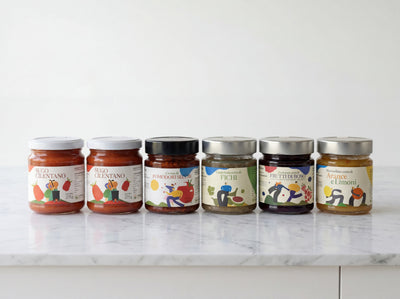
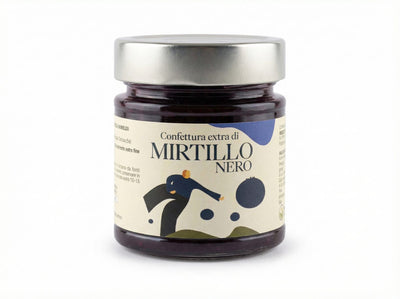
Regional marmalades of fig, citrus, wild blackberry and mountain apricot are staples of the Cilento pantry. Production follows simple principles: ripe fruit, little sugar, long cooking. The result is a confettura that tastes of the fruit, not of the jar. Once you have tried Cilento marmalades and confetture, supermarket versions pale.
The four main preservation methods in Cilento:
- Sott’olio (in oil): vegetables such as sun-dried tomatoes, artichokes or aubergines are blanched, seasoned and preserved in extra-virgin olive oil, developing a deep, almost caramelised aroma.
- Sott’aceto (in vinegar): sharper method for capers, chillies and baby onions; ideal as antipasti.
- Drying: figs, tomatoes and peppers are sun-dried, concentrating flavour and creating shelf life without chemicals.
- Reduction: for marmalades, sugo and sauces. The traditional Cilento tomato sauce is reduced from sun-ripened tomatoes according to handed-down recipes and is far more than a pasta topping.
| Product | Method | Typical use |
|---|---|---|
| Sun-dried tomatoes in oil | Sott’olio | Antipasti, pasta, bruschetta |
| Fig confettura | Reduction | Cheese, breakfast breads, desserts |
| Capers in vinegar | Sott’aceto | Salads, fish dishes, pizza |
| Dried white figs | Drying | Snack, desserts, gifts |
| Artichokes in oil | Sott’olio | Antipasti, pasta dishes |
Buying and enjoying Cilento specialities
Where to find authentic products
Many authentic specialities are protected as Slow Food Presidia and are available only in small shops or directly from the producer. This limits availability but secures quality. Recommended sources:
- Local weekly markets in Vallo della Lucania, Agropoli and Sapri: farmers sell direct, no middleman. Prices are fair, quality often exceptional.
- Agriturismo: staying on a Cilento agriturismo gives not only lodging but direct access to estate products—olive oil, charcuterie and preserves.
- Gourmet shops and delicatessens in Germany: specialists focused on southern Italy increasingly stock Cilento products.
- Online delivery: quality-oriented brands such as Minnelea ship handcrafted products with controlled cold chains and authentic bottling.
Pro tip: Always buy Cilento olive oil in dark glass bottles or tins. Light accelerates oxidation and destroys valuable polyphenols. A good regional oil keeps for 18 months without trouble if stored cool and away from light.
At home, the specialities can be showcased simply: sun-dried tomatoes in oil on an antipasti board beside buffalo mozzarella and soppressata; fig confettura with aged pecorino; Lagane e Ceci as the main course for an authentic Cilento evening. Anyone wanting to learn how to refine pasta with olive oil will find one of the most honest lessons of southern Italian cuisine.
My experience with Cilento’s culinary wealth
I remember my first visit to Pisciotta. An old fisherman opened a clay jar of Alici di Menaica, and the scent alone explained why this region is so special gastronomically. No staging, no menu. Just a jar, a spoon, a bread.
What continually surprises me about Cilento: the region is culinarily richer than the Amalfi Coast, yet discussed a tenth as much. This is not due to lack of quality. It is because the region’s slow pace has kept it from becoming a mass phenomenon. That is its greatest protection.
For newcomers I recommend starting with the olive oil and a regional confettura. These two products immediately show what Cilento craftsmanship means: no excess of ingredients, but a flavour that burns itself into memory. Those who wish to dive deeper move on to the anchovies, the pasta specialities, the charcuterie boards.
What still moves me after years: these products are no trend. They reflect a sustainable handling of resources that the rest of the food world is only now discovering as a concept. In Cilento it has been lived for centuries.
— carmine
Experience Cilento at home with Minnelea
At Minnelea we know this world first-hand. Our products are created in small batches, with selected ingredients from Cilento, and they carry the same spirit carmine describes above.

Anyone looking for an entry into Cilento cuisine will find in our sun-ripened tomatoes in oil a product that immediately makes clear what it’s about: intense aroma, artisan quality, no compromises. Our traditional tomato sauce follows a handed-down recipe and tastes like a summer by the sea. And those with a sweet tooth will discover in our confettura collection Cilento fruit in its purest form. We invite you to experience the flavour of this region in your own home.
FAQ
What counts as typical products from Cilento?
Typical Cilento products include buffalo mozzarella DOP, extra-virgin olive oil, hand-caught anchovies (Alici di Menaica), pasta specialities such as Lagane e Ceci, white figs and charcuterie like soppressata and capocollo.
What is eaten traditionally in Cilento?
Eating in Cilento means above all simple ingredients, perfectly combined. Typical dishes are Lagane e Ceci, pasta with anchovies and olive oil, grilled fish and antipasti of preserved vegetables and local cheeses.
Why are Cilento specialities so special?
Many Cilento specialities carry the Slow Food Presidio status, guaranteeing the highest quality standards and the preservation of traditional methods. The region is also the birthplace of the Mediterranean diet, directly shaping its product philosophy.
Where can you buy typical Cilento products?
Authentic products are found at local markets and agriturismi on site. Outside Italy, specialist delicatessens and brands such as Minnelea offer handcrafted Cilento delicacies with controlled quality.
Are Cilento products suitable for a healthy diet?
The Cilento Mediterranean diet is internationally regarded as a model for healthy, natural eating. Olive oil, pulses, fresh vegetables and fish form the base. Most traditional products are free from artificial additives.