
Artichokes in oil: nutritional values, varieties and antipasto pairings
Artichokes in oil are one of the few preserves that appeals equally to those seeking a light antipasto and those wanting an elegant side dish. Compact, gently bitter and versatile, they are a cornerstone of countless Italian antipasto boards.
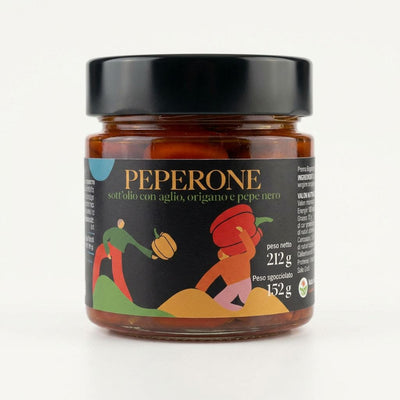
 | From our selection Peppers in Olive OilHandmade, no preservatives. € 7,90 Discover → |
This guide looks at the most common varieties, nutritional values, and the pairings that bring out their unique character.
What are artichokes in oil?
Artichoke hearts (usually small varieties such as Brindisino, Romanesco, Sardinian Spinoso) harvested very young, trimmed of tough outer leaves, blanched in water and vinegar, then preserved in oil (usually extra virgin olive oil) with garlic, chilli, parsley and bay leaf.
There are two main formats:
- Whole — small hearts, elegant presentation
- Quartered — more economical, ideal for recipes and pasta dishes
Production follows EU Regulation 2073/2005 and HACCP protocols. Artichokes have a naturally medium-to-high pH and require adequate acidification (vinegar during blanching) to ensure microbiological safety.

Most common Italian varieties
| Variety | Origin | Characteristics |
|---|---|---|
| Brindisino | Puglia | Small and spiny, tender heart |
| Romanesco IGP | Lazio | Large and round (for whole heads, less common in small oil-preserves) |
| Spinoso sardo DOP | Sardinia | Spiny, intense flavour |
| Violetto di Sant'Erasmo | Veneto | Small, violet, refined |
| Mammola | Liguria | Tender, fragrant |
Premium Italian producers often specify the variety on the label. A generic label reading just "artichokes" with no variety or origin is often a sign of an industrially produced imported product.
Average nutritional values (per 100 g)
Indicative values based on CREA food composition tables. Always check the label on the specific product.
| Component | Average value per 100 g |
|---|---|
| Energy | ~120–160 kcal |
| Fat | 10–14 g |
| Carbohydrates | 4–6 g (of which sugars 1–2 g) |
| Protein | 1.5–2.5 g |
| Fibre | 3–4 g |
| Salt | 0.8–1.5 g |
Fresh artichokes are naturally rich in fibre and iron. Oil preservation retains much of the fibre. A typical board portion (3–4 artichokes, roughly 40–50 g drained) provides around 50–75 kcal.
Five practical ways to use them
1. Classic antipasto board
Whole artichoke hearts alongside semi-matured cheeses (goat's cheese, primo sale, scamorza). The gentle bitterness cleanses the palate between bites.
2. Pasta with artichokes
Spaghetti or linguine, quartered artichokes in oil, cherry tomatoes, parsley, a grating of pecorino. Ten minutes.
3. Warm crostino
Toasted bread, spread with fresh ricotta, half an artichoke heart, a grind of black pepper, lemon zest.
4. Artichoke frittata
Beaten eggs, 4–5 drained artichoke hearts roughly chopped, Parmesan. A simple all-in-one Monday dish.
5. White pizza with artichokes
White pizza base, mozzarella, artichokes in oil added in the last 3 minutes of baking. Finished with a drizzle of raw extra virgin olive oil.
Food pairings
| Category | Pairing |
|---|---|
| Cheeses | Fresh pecorino, goat's cheese, ricotta, primo sale, scamorza |
| Charcuterie | Mild prosciutto crudo, mortadella, mild salami |
| Bread | Rustic crostini, focaccia, flatbread |
| Wine | Vermentino, Falanghina, full-bodied white (Fiano) |
| Dishes | Frittata, pasta, white pizza, risotto, spelt salad |
Important note: artichokes are notoriously difficult to pair with wine. They contain cynarine, a bitter compound that alters the perception of soft or sweet wines, making them taste more bitter. Prefer dry, mineral whites.
Storage
Sealed jar, 24–36 months in the pantry. Once opened: 7–10 days in the fridge, always covered with oil. Use clean utensils. If the oil level drops, top up with extra virgin olive oil.
Frequently asked questions
How many calories do artichokes in oil have?
120–160 kcal per 100 g. A board portion of 3–4 artichoke hearts (roughly 40–50 g drained) provides around 50–75 kcal.
Are they vegan?
Yes, the base ingredients (artichoke, oil, vinegar, salt, vegetable aromatics) are vegan. Check the label for variants containing anchovies.
Do they contain gluten?
No, the base ingredients are naturally gluten-free. Always check the label if you are coeliac.
Can they be frozen?
Not recommended. The structure of oil-preserved artichokes does not survive freezing.
Can they be used in pasta?
Yes — they are one of the most versatile preserves. The quartered format is specifically suited to pasta and risotto recipes.
Can I drink sweet wine with artichokes?
Not advisable. The cynarine in artichokes alters sweetness, making it taste more bitter. Opt for dry whites.
Sources
CREA — Food composition tables
EU Regulation 2073/2005 on microbiological safety
Related articles
Antipasto board with preserved vegetables
Oil-preserved vs pickled vegetables
Try our artichokes in oil — Italian artisan preparation.