
Pickled vs. Oil-Preserved: The Differences & How to Choose
Sottaceti and sott'olio are the two great families of Italian vegetable preserves. Both keep vegetables, both land on the antipasti board—but what happens in your mouth is completely different. Understanding the differences helps you choose: it’s not about better or worse, but about what you want on the plate.
 | From our selection Fig JamHandmade, no preservatives. € 7,90 Discover → |
How They Work: Two Methods, Two Results
Pickled: vinegar as the preservative
In pickled vegetables, the produce is submerged in a vinegar solution (wine, apple or white). The acidity lowers the pH and creates an environment where bacteria cannot thrive.
Result:
- Flavour bright, tart, zingy
- Texture crunchy—vinegar keeps the fibre intact
- Colour that lightens over time
- The vegetables “speak” less of themselves—vinegar takes the lead
Classic pickles: baby cucumbers, pearl onions, mixed giardiniera, peppers, capers.
Sott'olio: oil as the preservative
For sott'olio, vegetables are first treated (blanched, grilled, sun-dried or briefly vinegared) then immersed in oil—ideally extra-virgin olive oil. The oil forms a barrier that seals the vegetables from air.
Result:
- Flavour round, mellow, soft—the EVO adds its aroma without masking the vegetable
- Texture tender—the vegetables absorb the oil and become velvety
- Vivid colour that holds
- The vegetables stay centre-stage: an aubergine still tastes of aubergine
Classic sott'olio: aubergines, peppers, sun-dried tomatoes, artichokes, mushrooms, courgettes.
Head-to-Head
| Feature | Pickled | Sott'Olio |
|---|---|---|
| Preservative | Vinegar | Oil (often EVO) |
| Dominant flavour | Tart, fresh | Round, full |
| Texture | Crunchy | Soft, velvety |
| Main use | Side, sandwich, burger | Starter, board, bruschetta |
| Tradition | Central-Northern Europe, also Italy | Mediterranean, especially Southern Italy |
| With cheese | Good with rich cheeses (palate cleanser) | Perfect with aged cheeses (they complete each other) |
| In the kitchen | Salads, sandwiches, sauces (tartare) | Pasta, bruschette, one-dish meals |
When to Choose Pickles
Pickles shine when you want:
- An acidic contrast—in a fatty salami sandwich, on a burger, beside rich meats
- Crunch—when the dish is all soft and needs bite
- Palate reset—between bites of a lavish meal
- Freshness—summer salads, bowls
Mixed giardiniera (carrots, cauliflower, celery, peppers in vinegar) is Italy’s pickle icon.
When to Choose Sott'Olio
Sott'olio is the right pick when you want:
- An instant starter—open the jar and serve. Zero prep
- Mediterranean soul—EVO brings the scent of the South to the table
- The board’s heart—sott'olio are the centrepiece of an antipasti platter
- A cooking ingredient—in pasta, on pizza, on bruschetta
Sott'olio on the board
Three different jars make a complete starter:
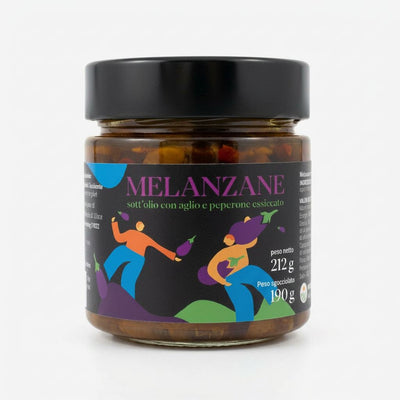
- Aubergines Sott'Olio EVO—The staple. Soft, delicate, crowd-pleasing
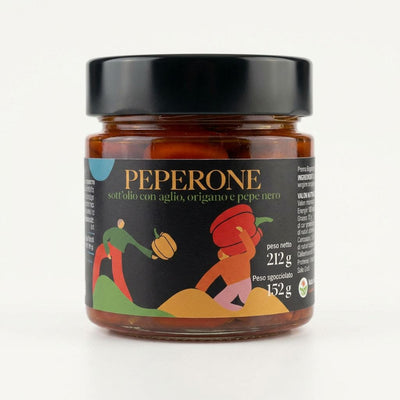
- Peppers Sott'Olio EVO—The colour and sweetness
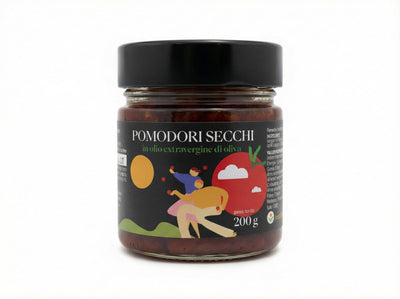
- Sun-dried Tomatoes Sott'Olio EVO—The intensity and character
Add bread, a cheese, and you have a four-person aperitivo in three minutes.
The jar oil
A perk of sott'olio that’s often overlooked: the oil in the jar is already seasoned. It has absorbed the vegetable flavours and is perfect for dressing bruschetta, pasta or salad. Don’t toss it.
Quality Makes the Difference
Not all sott'olio are equal. What to check on the label:
- The oil type—Extra-virgin olive oil is best. “Seed oil” or “vegetable oil” signals an industrial product
- The ingredient list—the shorter, the better. Vegetable, EVO, vinegar, salt, natural aromatics. A long list is a red flag
- Origin—products stating where the veg was grown and the oil produced offer more transparency
- Appearance—vegetables must be fully submerged. If they poke out, preservation is compromised
Discover the Minnelea Sott'Olio collection—aubergines, peppers, sun-dried tomatoes in EVO. Ready to serve.
FAQs
What is the difference between pickled and sott'olio?
Pickles use vinegar as the preservative: the result is crunchy and tart. Sott'olio use oil (ideally EVO) as the preservative: the result is soft and savoury. Pickles work best as sides and in sandwiches; sott'olio shine as starters, on boards and bruschetta.
Are sott'olio more calorific than pickles?
Yes, oil adds calories compared to vinegar. But sott'olio are eaten in small portions (a few pieces as a starter) and EVO is the dressing fat of the Mediterranean diet. For specific nutrition, check the label.
How do I store sott'olio after opening?
Once opened, keep the jar in the fridge. Make sure the vegetables stay covered by oil. For exact shelf life and storage, always refer to the producer’s label.