
Sun-Dried Tomato Sauce: Ready in 10 Minutes
 |
From our range
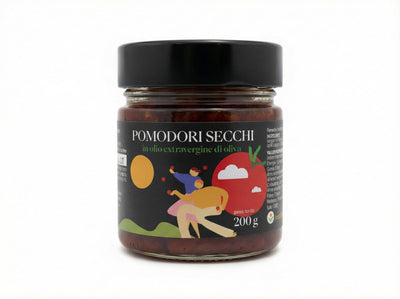
Sun-Dried Tomatoes in OilHandmade, no preservatives.
€ 7,90
Discover →
|
Sun-dried tomato sauce isn't a quick tomato sauce: it's something else entirely. The dried tomato has lost its water and concentrated its sugars, acids and salt, so it doesn't need half an hour of cooking to “reduce”. It's already reduced from the start. Ten minutes are only needed to melt it into the fat and bind it to the pasta.
The recipe (4 servings, 10 minutes)
Ingredients
- 120 g sun-dried tomatoes in oil, drained and cut into strips
- 1 garlic clove, skin on
- 3 tablespoons extra virgin olive oil
- 1 ladle of pasta cooking water
- basil or parsley
- black pepper; salt only if it's really needed
Method
- Put the pasta water on to boil before anything else: the sauce is ready in less time than it takes the pasta to cook.
- Warm the oil with the unpeeled garlic clove over low heat for one minute. Low heat: burnt garlic is the most common mistake in this dish.
- Remove the garlic, add the tomato strips and let them flavor the oil for two minutes, stirring.
- Add a ladle of cooking water and raise the heat. In two to three minutes the water and oil bind together into a glossy sauce.
- Drain the pasta very al dente, tip it into the pan and toss it for one minute over the heat, adding water if it dries out too much.
- Off the heat: hand-torn basil and pepper.
Why it works in ten minutes
A fresh tomato sauce has to evaporate its water, and the water in a ripe tomato is more than 90% of its weight. The dried tomato has lost almost all of it in the sun, and its flavor is already there, concentrated. What's missing is just the binder: that comes from the starch in the cooking water, which emulsifies with the oil to create the sauce. It's the same principle as cacio e pepe, applied to tomato.
This leads to something counterintuitive: cooking it longer doesn't improve it, it ruins it. After five or six minutes the tomatoes start to release a bitter note and the sauce turns brown.
Three variations
With ricotta
Two tablespoons of ricotta added off the heat, mixed with a little cooking water. The sauce turns pink and creamy and the tomato's saltiness softens: it's the version that works with kids.
With anchovies
Two fillets melted in the oil together with the garlic, before the tomatoes. No need to add salt, ever. It's the winter version, deeper and saltier, that calls for spaghetti rather than short pasta.
With grilled vegetables
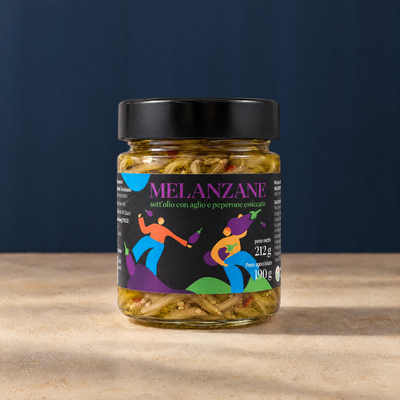
Eggplant or zucchini in oil, drained and cut into strips, added along with the tomatoes. It becomes a one-pot vegetarian dish that also holds up cold the next day.
Which pasta to use
The sauce is thick and chunky, so it calls for shapes that hold onto it: fusilli, casarecce, rigatoni, orecchiette. On spaghetti it slides off, unless you use the anchovy variation, which is thinner and coats them better.
It also works outside of pasta: on a slice of toasted bread with a shaving of pecorino on top, or as a base for a main course — pan-seared chicken or white fish finished with a couple of spoonfuls of sauce.
The three mistakes that ruin it
Salting the water as usual. Sun-dried tomatoes already bring salt. Use half the salt you'd normally use in the water, and taste before adding any more to the dish.
Draining the pasta and dressing it afterwards. Without tossing it in the pan, the oil stays separate and the sauce settles at the bottom of the plate. The minute in the pan isn't optional.
Blending everything. If you blend it, it's no longer a sauce, it's a pesto — a different preparation, with different rules. If that's what you're after, the recipe you want is the sun-dried tomato pesto.
Frequently asked questions
Can I use dry sun-dried tomatoes instead of the ones in oil?
Yes, but they need to be rehydrated first: ten minutes in hot water, then squeezed out. Add an extra tablespoon of oil, because the rehydrated flesh absorbs a lot of it.
How long does it keep?
Two or three days in the fridge, in a sealed container. Reheat it in a pan with a spoonful of water, never in the microwave at full power: the oil separates.
Do I need tomato paste?
No. It's the substitution many people make thinking it will boost the color, but it adds acidity and masks the flavor of the dried tomato. If the sauce looks pale, that's down to the tomatoes, not a missing spoonful of paste.
How do I choose a good jar of tomatoes in oil?
Short ingredient lists and extra virgin olive oil stated on the label, not “vegetable oils”. The difference really shows in preparations like this one, where the preserving oil ends up on the plate. The criteria to look for are gathered in the guide to sun-dried tomatoes.
For an effortless aperitivo, check out our appetizers in oil in extra virgin olive oil.