
Comment choisir une marque alimentaire artisanale à revendre
Quand vous mettez en rayon une marque alimentaire artisanale, vous n'achetez pas des pots : vous achetez une histoire que votre boutique racontera pendant des mois. Voici les critères pour savoir si une marque italienne mérite votre espace — et les signaux qui devraient vous faire fuir.
 |
À déguster de notre sélection
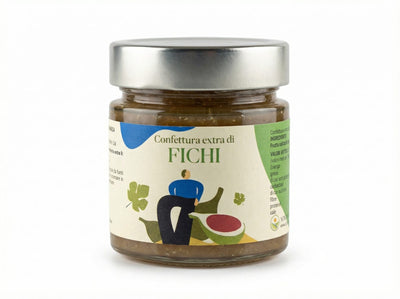
Confiture de figuesFait main, sans conservateurs.
€ 7,90
Découvrir →
|

Le produit se goûte, la marque se revend
Deux confitures peuvent être bonnes de la même façon. Mais l'une a une étiquette anonyme et un nom inventé par un façonnier ; l'autre a un producteur réel, un atelier avec une adresse, un visage qui signe. À goût égal, la seconde se vend mieux, se raconte mieux et supporte un prix plus élevé. Le client ne rachète pas « la confiture de figues » : il rachète cette confiture, de cette marque, découverte chez vous.
Les 6 critères pour évaluer une marque alimentaire artisanale
- Celui qui fabrique est-il celui qui signe ? Beaucoup de « marques artisanales » sont des étiquettes commerciales sur des produits de façonniers. Demandez où se trouve l'atelier et qui y travaille. Si la réponse est vague, la marque est vide.
- L'étiquette tient-elle la lecture ? Des ingrédients courts et compréhensibles. Une confiture avec fruits, sucre et rien d'autre raconte seule sa qualité.
- Le positionnement est-il cohérent ? Site, packaging, prix et canaux doivent dire la même chose. Une marque artisanale présente aussi au discount a déjà bradé l'histoire que vous voudriez revendre.
- Vous protège-t-elle sur votre territoire ? La valeur d'une marque distinctive s'effondre si trois boutiques du même quartier l'ont. L'exclusivité de zone (Minnelea : 30 km) garantit que l'investissement reste le vôtre.
- Vous aide-t-elle à vendre ? Fiches produits, accords, supports comptoir, contenus réutilisables : une marque mature travaille avec vous, elle ne vous laisse pas seul avec le carton.
- Les marges sont-elles écrites ? Tarif réservé, prix conseillé, conditions de réassort claires. Si les chiffres arrivent « à l'oral », les surprises arriveront aussi.

Les signaux d'alarme
- Des sigles AOP/IGP utilisés avec légèreté, sans certifications documentées
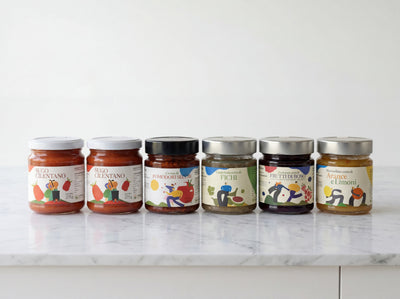
- Des catalogues énormes « tout artisanal » (aucun atelier artisanal ne fait 200 références)
- Aucun minimum de commande mais aucune exclusivité : cela signifie qu'ils vendent à n'importe qui
- Des photos produit méconnaissables par rapport à ce qui arrive en carton
Le test final : la question au comptoir
Imaginez le client qui montre le pot et demande : « C'est quoi, ça ? ». Si avec cette marque vous avez une réponse de trente secondes qui finit par une dégustation, vous avez bien choisi. C'est pourquoi nous donnons aux revendeurs l'histoire de chaque produit : la variété de la figue, la semaine de récolte, le pourquoi du sans pectine ajoutée.
Envie d'évaluer Minnelea comme marque pour votre boutique ? Commencez par comment fonctionne la revente, jetez un œil à l'offre en gros ou demandez échantillons et tarif.
Questions fréquentes
Mieux vaut revendre plusieurs petites marques ou peu de marques bien choisies ?
Peu et bien choisies : chaque marque en plus dilue l'espace et le récit. Trois marques avec une histoire vraie et une exclusivité valent plus que dix étiquettes interchangeables.
Comment savoir si une marque artisanale est fabriquée par un façonnier ?
Demandez l'adresse de l'atelier et s'il se visite, et comparez le nom sur l'étiquette avec l'établissement de fabrication indiqué : si d'autres fabriquent, la marque est commerciale, pas artisanale.
Une marque émergente est-elle un risque pour la boutique ?
Moins qu'il n'y paraît, si les fondamentaux y sont (fabrication en propre, étiquette propre, marges écrites) : la marque qui grandit récompense les points de vente qui l'ont découverte en premier.