
Why Italian Confettura Is Unlike Anything Else
 | From our selection Fig JamHandmade, no preservatives. € 7,90 Discover → |
Italian confettura is defined by a rare alchemy: native fruit varieties, artisan craftsmanship, and legally enforced quality standards that together exist nowhere else in the world. Those who wonder what sets Italian confettura apart will find the answer not in any single attribute, but in the interplay of soil, climate, tradition, and European law. Designations such as PDO (Protected Designation of Origin) and PGI (Protected Geographical Indication) guarantee traceability right back to the fruit. And it is precisely this traceability that separates a confettura from Cilento from an industrial spread. For discerning palates who value authenticity, this is no mere detail. It is the essence.
What Role Do Native Fruit Varieties Play in Flavor?
Regional fruits from Calabria, Sicily, and Cilento shape the taste of Italian confettura in ways that cannot be replicated. The soil of Cilento, marked by limestone bedrock and Mediterranean climate, gives strawberries and apricots an aromatic profile that simply does not exist in Northern Europe. Climate and soil in regions like Cilento or Sicily create a flavor signature that no technology can imitate. This is not marketing. This is geography.
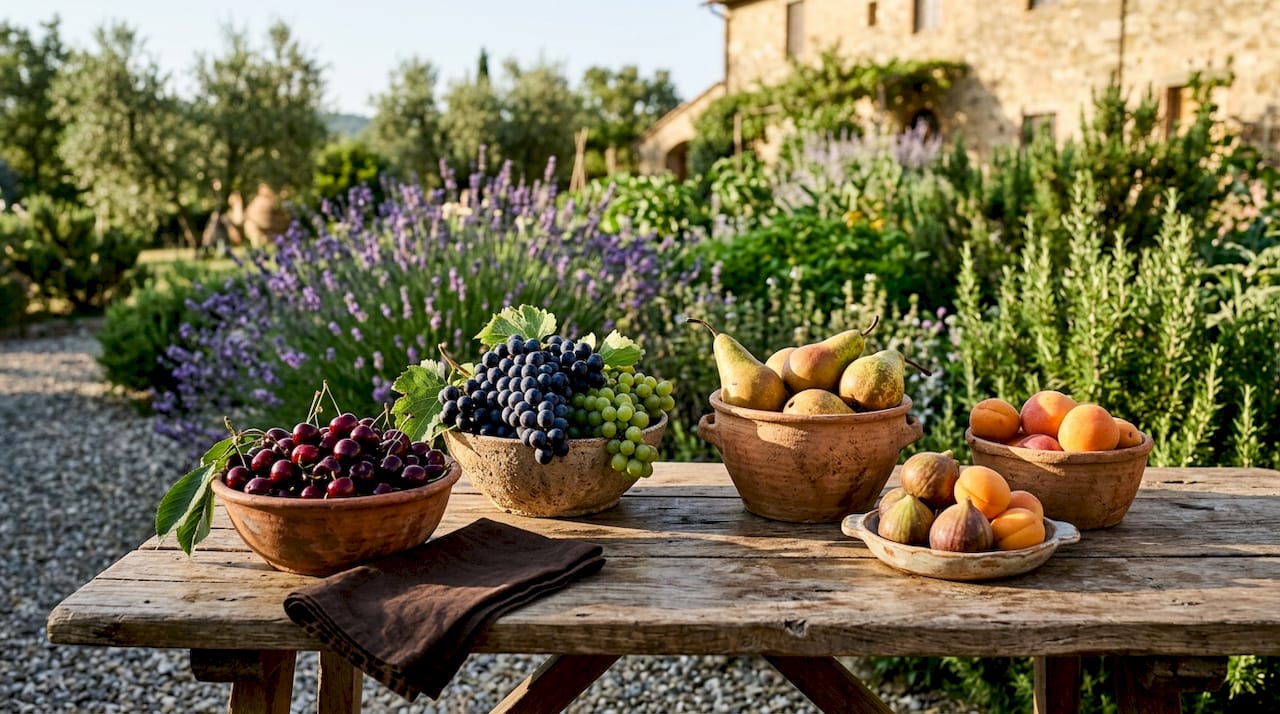
Native varieties are fruits cultivated for generations in a particular region, adapted to their local ecosystem. A Sicilian blood orange tastes different from a Spanish one because it ripens on volcanic soil and experiences different temperature fluctuations. These seasonal ingredients directly influence the acidity, sweetness, and texture of the finished confettura. Short supply chains from field to processing preserve these aromas, as fruits are transformed at the peak of ripeness.
Typical examples of regionally rooted confettura:
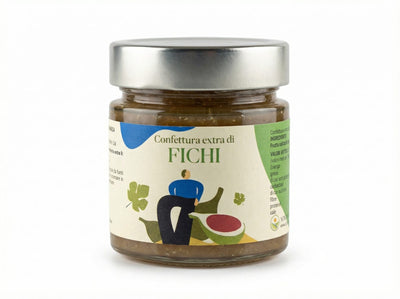
- Fig confettura from Calabria: The Dottato fig, one of Italy's oldest cultivated varieties, yields a honey-like sweetness with subtle nutty notes.
- Blood orange marmalade from Sicily: Handcrafted from various red orange varieties with high fruit content and gentle processing, as is customary with Sicilian orange marmalades.
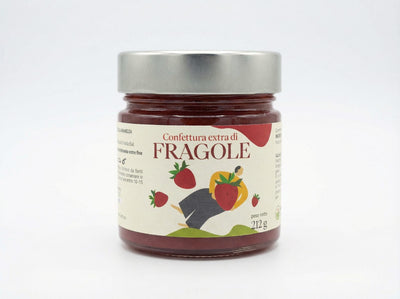
- Strawberry confettura from Cilento: The Fragola Cilentana is smaller and more intense than commercial varieties. Minnelea processes it with 130% fruit content, fully preserving the character of the fruit.
- Bergamot confettura from Reggio Calabria: Bergamot grows almost exclusively along this coastal strip worldwide. Its aroma is herbaceous, floral, and unmistakable.
Insider tip: To verify a confettura's provenance, first examine the ingredients list. If it merely states "fruits" without origin indication, regional roots are absent. A true Cilento strawberry confettura names the variety or region.
EU PDO and PGI labeling legally safeguards this provenance. Traceability through protected designation of origin means every batch can be traced back to harvest. For connoisseurs, this is the most reliable guarantee of authenticity.
How Do Legal Regulations Safeguard the Quality of Italian Confettura?
Italian confettura has been governed since June 2026 by Legislative Decree 207/2025, which transposes EU Directive 2024/1438 into national law. This framework defines what confettura may and may not be. Those who dismiss quality standards as mere bureaucracy underestimate their impact on what ends up in the jar.
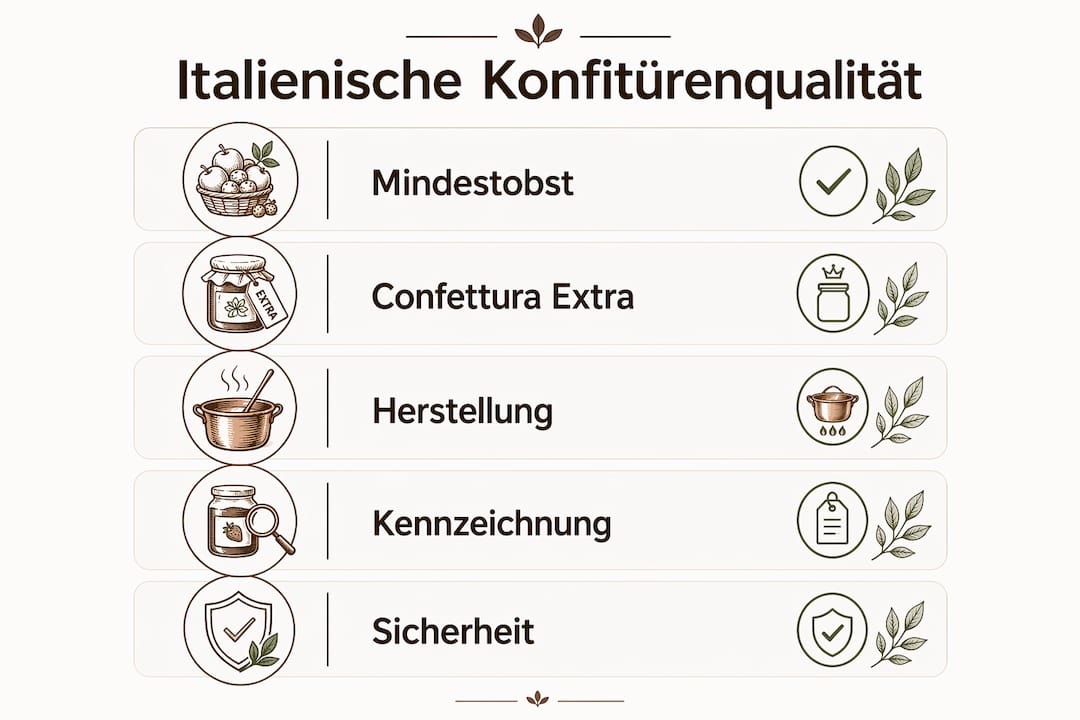
The decree establishes, among other provisions, minimum fruit content and clearly distinguishes between confettura and marmalade. Regulations are particularly stringent for citrus products: citrus marmalades must contain at least 200g of citrus fruit per 1,000g of finished product, with at least 75g derived from the endocarp. The endocarp is the white pith between peel and flesh. It contains pectin and bitter compounds that give the product body and depth.
| Category | Requirement |
|---|---|
| Citrus marmalade (minimum fruit content) | 200g citrus fruit per 1,000g finished product |
| Of which from endocarp | At least 75g per 1,000g |
| Origin labeling | PDO or PGI per EU regulation |
| Microbiological safety | Controlled through heat treatment and process monitoring |
| Effective from | 14 June 2026 (Legislative Decree 207/2025) |
These provisions protect consumers from products bearing the name "marmalade" yet containing scarcely any fruit. Simultaneously, they establish a market standard that strengthens artisan producers against industrial bargain alternatives. Rigorous traceability and inspections ensure these standards are upheld.
Insider tip: When purchasing Italian confettura, the label merits attention: "Confettura Extra" indicates fruit content exceeding the legal minimum. This is the most reliable quality indicator.
Microbiological safety depends directly on controlled heat treatment. Precise process management preserves flavor while preventing microbial risks. Too hot, and aromas are destroyed. Too cool, and shelf stability is compromised. Artisan producers know this fine line and hold it.
What Artisan Methods Shape Production?
Handcraft in confettura means more than a person stirring instead of a machine. It means each batch is individually assessed, because no two harvests are identical. Handcraft in confettura encompasses fruit selection, temperature and cooking time control, and sensory evaluation during processing.
The difference from industrial products is most evident with citrus fruits. Premium confettura uses not only juice but also endocarp and peel for complex aroma and vibrant texture. Endocarp and peel contribute bitterness, pectin, and depth that pure juice never achieves. Industrial lines skip this step because it demands time and manual labor.
The essential artisan steps in production:
- Selection and sorting: Each fruit is individually inspected for ripeness and integrity. Overripe or damaged fruits alter the final product.
- Gentle preparation: Peels are finely grated, endocarp carefully separated. This step determines bitterness and texture.
- Temperature control during cooking: Small batches allow precise regulation. Excessive heat over-caramelizes sugar and masks fruit aromas.
- Sensory evaluation: Experienced producers assess color, consistency, and aroma during cooking. No algorithm replaces this judgment.
- Filling and sealing: Hot-filled and immediately vacuum-sealed to prevent oxidation and ensure shelf stability without preservatives.
Insider tip: A quality confettura should produce an audible vacuum pop when opened. Its absence indicates compromised sealing and reduced shelf life.
Minnelea produces all confettura in small batches from Cilento. This means every batch receives attention that mass production never can. The varieties of Italian confettura from the South demonstrate how rich this artisan tradition is.
How Do Culture and Family Recipes Shape the Diversity of Confettura?
Italian confettura is a cultural expression. Family recipes and seasonal harvests in Southern Italy make each confettura its own story, far beyond standardized products. These recipes are not preserved in books. They live in kitchens, in hands, in the memory of an August afternoon's scent when figs ripen.
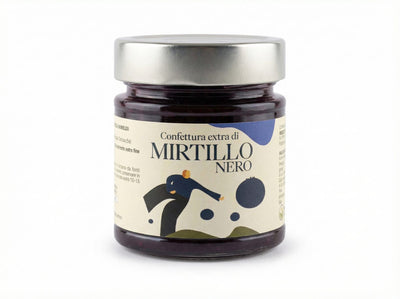
Regional differences are substantial. In Calabria, figs, bergamot, and lemon dominate. Sicily brings blood oranges, almonds, and pistachios to confettura. Cilento is renowned for strawberries, apricots, and wild fruits. Each region has its own harvest season, its own varieties, and its own notion of how much sugar a fruit needs to unfold.
Typical cultural characteristics of traditional confettura:
- Generational knowledge: Grandmothers in Calabria never measured cooking times. They decided by color and scent. This knowledge has flowed into artisan enterprises today.
- Seasonal commitment: True confettura is made only when fruit is ripe. This means: no year-round production, no frozen fruit as base.
- Pairing with other products: Southern Italian confettura is traditionally served with aged Pecorino or Provolone. The sweetness of fig and saltiness of cheese complement each other in ways no industrial product achieves.
- Recipe variations by harvest: A dry summer yields more concentrated fruits. Artisan producers adjust sugar and cooking time. Industrial lines do not.
And then there is the matter of timing. A Cilento apricot has a harvest window of perhaps three weeks in June. Those who do not process during this time miss the year. This scarcity is no disadvantage. It is proof of authenticity.
Family recipes and regional harvests connect biodiversity with pleasure. Those who purchase confettura made from native varieties simultaneously support the preservation of that variety. This is a side effect many buyers do not know, yet it is real.
Key Insights
Italian confettura is unique because regional provenance, legal standards, and artisan skill work in concert—and no single element can be replaced by industrial processes.
| Topic | Details |
|---|---|
| Regional fruit varieties | Native varieties from Cilento, Sicily, and Calabria unmistakably shape aroma and texture. |
| Legal standards | Legislative Decree 207/2025 mandates minimum fruit content and traceability. |
| Artisan processing | Small batches, temperature control, and endocarp utilization create complexity industrial lines cannot achieve. |
| Cultural depth | Family recipes and seasonal commitment make each confettura a regional document. |
| Quality indicator | "Confettura Extra" and PDO/PGI labeling are the most reliable marks of genuine quality. |
What I Truly Think About Italian Confettura After Years in Fine Food
I have tasted many confettura. From France, from Spain, from Germany. And I say this without nostalgia: None has surprised me like a well-made confettura from Southern Italy.
What impresses me most is not flavor alone. It is the honesty of the product. A confettura from Cilento tastes of what the label promises, because the fruit actually grows that way there. This sounds obvious. It is not. Many products on shelves work with flavorings, colorants, or frozen fruits without provenance.
What sometimes troubles me about debates on "traditional recipes": they are often romanticized. The truth is that artisan production also demands discipline. Temperature control, hygiene, process consistency. Tradition without technique produces no reliable quality. The finest producers I know combine both. They cook from grandmother's recipe, but with a thermometer in hand.
And then there is the aspect of biodiversity. Those who purchase bergamot confettura from Reggio Calabria keep alive a variety that would otherwise vanish. This is no marketing argument. This is reality. The production of Italian confettura connects tradition and protection of regional varieties in ways I consider underestimated.
My advice: Buy no confettura without provenance indication. And when you find one from Cilento, open it with good Pecorino. Then you will understand why these products are different.
— carmine
Minnelea: Artisan Confettura from Cilento
Minnelea stands for precisely what this article describes: small batches, selected fruits from Cilento, and production that knows no shortcuts.

The confettura from Minnelea is produced to the "Confettura Extra" standard, with fruit content far exceeding legal minimums. The Cilento strawberry confettura, for instance, contains 130% fruit, as water evaporates during cooking and the fruit concentrates. Those wishing to experience true Italian marmalade distinctions in a jar will find at Minnelea a selection ranging from apricot orchard to wild berry. All marmalades in the collection are free from preservatives and available in Germany.
FAQ
What makes a confettura truly Italian?
A genuine Italian confettura contains regionally traceable fruits, meets minimum fruit content requirements under Legislative Decree 207/2025, and is produced without artificial preservatives. PDO or PGI labeling is the most reliable quality indicator.
Why do Italian confettura taste more intense than others?
The flavor arises from native fruit varieties ripened in specific soils and climates, combined with gentle processing at peak ripeness. Industrial products often use frozen fruit or concentrates that cannot achieve this aromatic profile.
What does "Confettura Extra" mean on the label?
"Confettura Extra" designates confettura with fruit content exceeding the legal minimum standard. The product contains no artificial flavors and is produced to stricter quality specifications than standard confettura.
How can I recognize artisan-made confettura?
Artisan confettura names the fruit variety, region, and fruit content percentage on the label. A vacuum pop upon opening indicates intact sealing. Small batch sizes and short ingredient lists are further marks of genuine artisan quality.
Which regions of Italy produce the finest confettura?
Cilento, Sicily, and Calabria are considered the most significant regions for premium confettura. Each region contributes distinctive varieties: Cilento is known for strawberries and apricots, Sicily for blood oranges, Calabria for figs and bergamot.
Recommended Reading
- Checklist for Genuine Italian Delicacies: The Guide – Azienda Agricola Minnelea
- Artisan Fruit Preserves: What Lies Beneath? – Azienda Agricola Minnelea
- What Does Handcraft Mean in Confettura? Explanation 2026 – Azienda Agricola Minnelea
- How to Taste Italian Confettura Like a Pro: The Artisan Guide – Azienda Agricola Minnelea