
Types of Artisanal Fruit Preserves: The Complete Guide
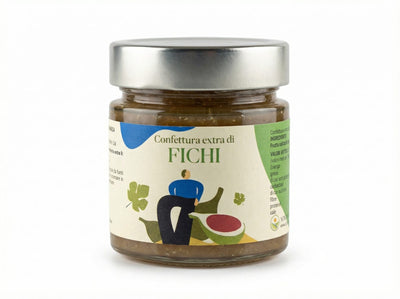
 | From our selection Fig JamHandmade, no preservatives. € 7,90 Discover → |
Artisanal fruit preserves are defined as small-batch products made with carefully selected fruit and no industrial additives. Once you know the different styles, the gulf between them and supermarket jars becomes obvious. Whether it’s a confettura of Cilento apricots, a crystal-clear citrus gelee, or a fragrant woodland-berry spread, each style follows its own logic of fruit choice, sugar ratio, and cooking method. For German food lovers who prize authentic Italian tradition, this knowledge is the key to mindful enjoyment—and to successful home production.
1. Types of Artisanal Fruit Preserves at a Glance
The main categories differ by fruit content, texture, and processing method. Knowing the distinctions helps you shop with purpose and cook with precision.
- Confettura (extra): Fruit content starts at 45 %, and “extra” means 60 % or more. Whole or roughly chopped fruit gives a chunky, vibrant texture. Apricots, strawberries, and cherries are classic choices.
- Marmellata: In the German-speaking world, marmellata traditionally refers to citrus spreads with peel. The bitter rind caramelises during cooking, lending its signature slightly sharp aroma.
- Gelee: Made solely from clarified juice—no pulp. The result is translucent, jewel-bright, and intensely coloured. Blackcurrants, quince, and grapes shine here.
- Fruchtaufstrich: These spreads cut back—or cut out—the sugar and rely on the fruit’s natural pectin. Preserves without artificial additives deliver a pure, unmasked fruit character.
- Fruchtmus & Fruchtpaste: Fruchtmus is slowly reduced without setting; Fruchtpaste is reduced further until sliceable. Quince and fig are traditional partners for cheese boards in Italian kitchens.
- Chutney & Fruit Relish: These marry fruit with vinegar, spices, and sometimes onions. They straddle the line between preserve and condiment, pairing beautifully with cheese, grilled meats, or antipasti.
Each style has its kitchen role: confettura sings on fresh bread, gelee gleams as a pastry glaze, and a slice of fruit paste waltzes with aged Pecorino.
2. How Sugar and Fruit Ratio Shape Quality and Shelf Life
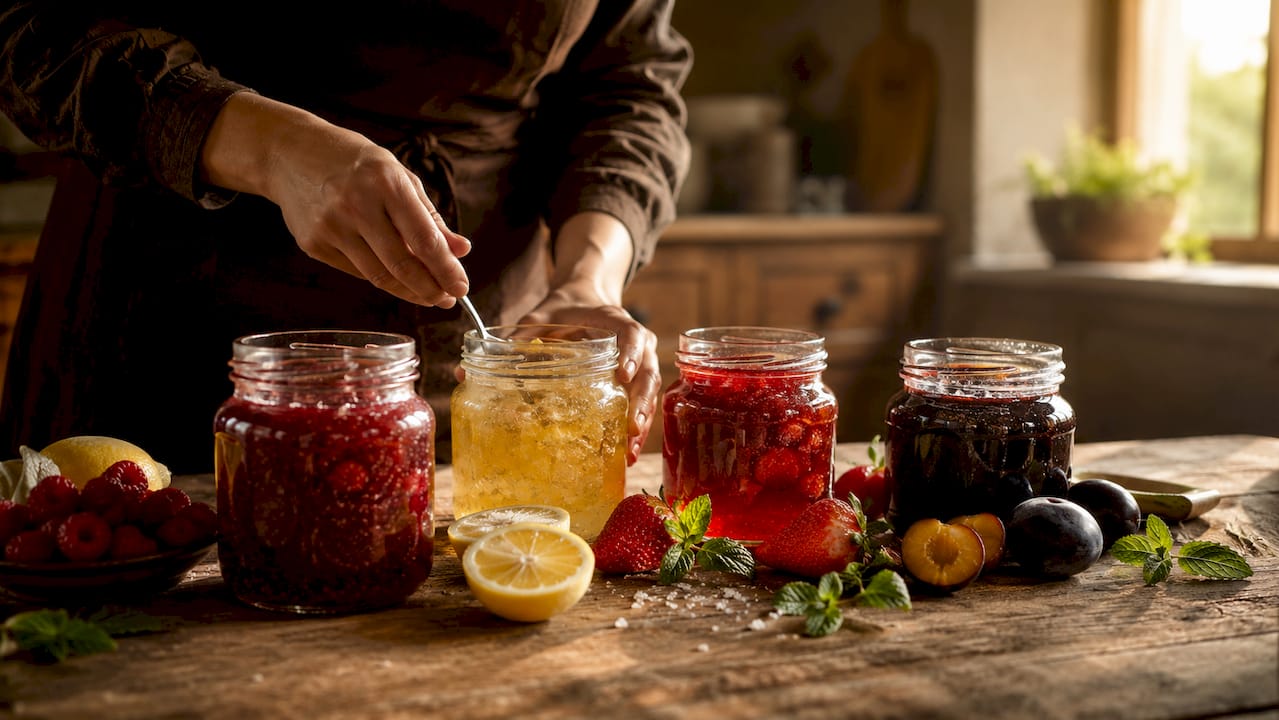
The sugar-to-fruit ratio is the single most important technical choice in artisanal preserving. It governs flavour, texture, and shelf life in equal measure.
| Sugar : Fruit Ratio | Shelf Life | Flavour Profile | Best Use |
|---|---|---|---|
| 1 : 1 | up to 2 years | sweet, classic, stable | breakfast spread, pastry filling |
| 2 : 1 | ≈ 1 year | balanced, fruity | confettura, cake topping |
| 3 : 1 | ≈ 6–9 months | intensely fruity, less sweet | fruit spread, cheese pairing |
Higher fruit content means more aroma and less sweetness, but a shorter shelf life. The 2 : 1 ratio is the artisan’s sweet spot: it keeps the fruit centre-stage and remains stable for over a year. For cherry confettura, seasoned makers recommend 2 : 1 jam sugar plus lemon juice for optimal set and colour retention.
Jar sterilisation is just as critical as the sugar ratio. Inadequately sterilised jars will slash shelf life regardless of sugar content. Boil jars for at least ten minutes, fill while hot, and invert immediately to create a vacuum seal.
Pro tip: To dive deeper into how sugar and fruit ratios affect flavour and texture, read our detailed guide.
3. Critical Steps for Peak Quality
Artisanal preserving follows a precise sequence where every step influences the final jar. Industrial processes skip or automate many of them. Producers like Natur ins Glas stress that the pure fruit flavour can only be safeguarded through repeated manual checks.
- Fruit selection & harvest timing: Fruit picked at peak ripeness delivers the highest natural pectin and the most vivid flavour. Carefully selecting ripe fruit at the right moment—citrus in January, for example—is decisive.
- Hand washing & sorting: Every piece is inspected. Bruises, underripe spots, or blemishes are removed before processing.
- Stone removal & peeling: Cherries, apricots, and peaches are pitted by hand to protect the flesh from crushing, which would dull the flavour.
- Gentle cooking with pectin & lemon juice: Fruit is simmered over moderate heat. Lemon juice aids setting while locking in colour and freshness.
- Use of wooden tools: Wooden spoons prevent the metallic taint that can come from oxidation. It sounds minor, but with delicate fruit like strawberries it makes a noticeable difference.
- Sterilisation & bottling: Jars are sterilised in boiling water, filled piping hot, then inverted. The resulting vacuum seals the preserve without chemical additives.
- Quality control & labelling: Each jar is checked for consistency, colour, and aroma. Small batch sizes make this individual scrutiny possible—something mass production simply cannot match.
Pro tip: If you want to make your own preserves, always sterilise jars fresh and never reuse previously opened ones—residues can drastically shorten shelf life.
4. Favourite Italian Varieties for Connoisseurs
Italy—especially the south—offers an extraordinary range of preserves from fruit varieties rarely grown in central Europe. Traditional recipes and seasonal ingredients are the key to authenticity.
- Citrus marmellate from Calabria & Sicily: Bitter-orange marmellata, bergamot gelee, and lemon spread are household names. Organic estates like Agriturismo I Moresani use only fresh, organic citrus and raw cane sugar—no preservatives, no pectin.
- Apricot confettura from Campania: Cilento apricots ripen slowly in sea breezes, developing a flavour that hovers between honey and bright acidity. Minnelea turns them into a handmade apricot confettura without additives—equally at home on a cheese board or a croissant.
- Strawberry preserves from Cilento: Cilento strawberries are smaller and more aromatic than industrial varieties. Minnelea’s Cilento Strawberry Confettura contains 130 % fruit—meaning more than 100 g of fresh fruit per 100 g of finished preserve.
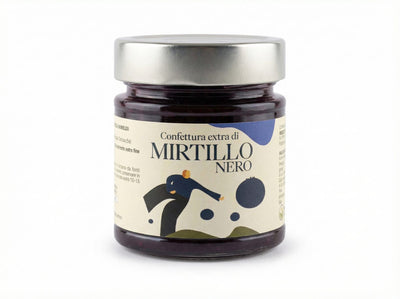
- Woodland-berry confettura: A blend of blackberries, blueberries, and raspberries yields deep, layered flavour. Minnelea’s handmade woodland-berry confettura pairs beautifully with yoghurt, panna cotta, or aged goat cheese.
- Fig & quince pastes: These southern classics are traditionally served with cheese. Fig paste caramelises during long reduction, developing a deep, almost toffee-like sweetness.
- Red apple confettura from the autumn harvest: Autumn apples from Cilento bring natural sweetness and high pectin. Minnelea’s red apple confettura tastes like freshly pressed cider with a whisper of spice.
To explore the full spectrum of southern Italian confetture, see our deep dive into regional traditions and flavour profiles.
5. Artisanal vs. Industrial: What Really Changes
The difference is not marketing fluff. It’s measurable, tasteable, and visible.
- Manual quality control: Small batches allow meticulous ingredient selection and execution impossible in mass production. Every jar is checked, not just spot-tested.
- No additives: Industrial spreads often contain colourants, stabilisers, preservatives, and flavourings. Artisanal versions rely solely on quality fruit, sugar, and lemon acid for shelf life and taste.
- Fruit content & raw-material quality: Industrial lines often use concentrates or frozen fruit. Artisanal producers use fresh, seasonal fruit harvested at peak ripeness.
- Sustainability through full utilisation: Skins become tea blends, seeds find their way into other products. Food waste is driven to a minimum.
“The original, pure fruit flavour can only be guaranteed through repeated manual quality checks.” — Natur ins Glas
Once you’ve tasted a high-fruit artisanal confettura, the difference is instant: livelier flavour, truer texture, more complex aroma. That’s no accident—it’s the direct result of the method.
Key Takeaways
Artisanal fruit preserves win on natural ingredients, manual quality control, and an aroma profile industrial products simply cannot match.
| Point | Details |
|---|---|
| Know the styles | Confettura, gelee, fruit spread, and fruit paste each follow distinct rules for fruit content and texture. |
| Pick the right sugar ratio | A 2 : 1 ratio balances fruit flavour with roughly one year of shelf life. |
| Respect the process | Fruit selection, wooden tools, lemon juice, and sterilisation are the four critical quality levers. |
| Discover Italian varieties | Cilento apricots, citrus marmellate, and woodland-berry confetture deliver flavour profiles rarely found in central Europe. |
| Artisanal vs. industrial | No additives, fresh fruit, and small batches are the three measurable differences that matter. |
What Years of Working with Artisanal Preserves Have Taught Me
I still remember the first jar of Cilento apricot confettura I opened. The aroma was so vivid I thought someone had just sliced fresh fruit. That’s the moment you grasp what artisanal preserving is really about.
What has surprised me most after years of experimenting: most mistakes happen before the pot ever hits the stove. Underripe fruit, poorly sterilised jars, metal spoons instead of wood. These details decide success or failure long before any cooking begins. Anyone who consistently uses seasonal ingredients already has a head start.
My honest advice for home cooks: start with a 2 : 1 ratio and a fruit you truly know. Apricots in summer, quince in autumn, citrus in January. Learn the fruit before you start playing with spices or blends. And every now and then, buy a jar from a genuinely artisanal producer. It shows you where the journey can lead.
What fascinates me about the Italian tradition is how effortlessly sustainability is woven into daily life. Skins become tea, seeds become other products. Nothing is wasted. That isn’t a marketing line—it’s lived practice passed down for generations.
— carmine
Minnelea: Discover Artisanal Confetture from Cilento
If you’d rather not make your own but still want to taste artisanal fruit preserves at their peak, Minnelea is the perfect starting point.

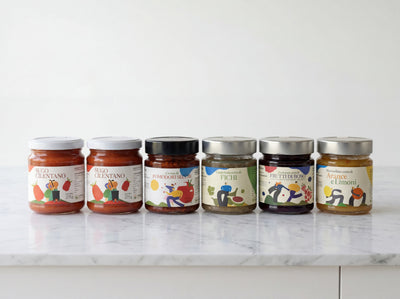
Minnelea produces every confettura in small batches at the Azienda Agricola in Cilento, southern Italy. Fruit comes from our own orchards and trusted local growers—no preservatives, no colourants, no compromises on fruit content. The Cilento Strawberry Confettura at 130 % fruit is an ideal introduction. To explore the full range, browse the complete confetture collection from Minnelea.
FAQ
What’s the difference between confettura and marmellata?
Confettura contains at least 45 % fruit and can be made from any fruit. Marmellata, in German usage, traditionally means citrus spreads with pieces of peel.
How long do artisanal fruit preserves keep?
Shelf life depends on the sugar ratio: 1 : 1 keeps up to 2 years, 2 : 1 about 1 year, 3 : 1 roughly 6–9 months—provided the jars are properly sterilised.
Why do artisanal fruit preserves taste more intense?
Artisanal makers use fresh, ripe fruit harvested at peak flavour and avoid concentrates, flavourings, and stabilisers. The result is an aroma profile that mirrors the fruit itself.
Which fruits are best for “healthier” preserves?
Fruits naturally high in pectin—quince, blackcurrants, citrus—gel without added agents and allow reduced sugar while maintaining good shelf life.
Can I make artisanal fruit preserves at home?
Yes. With fresh fruit, jam sugar, lemon juice, and sterilised jars, it’s entirely doable. A 2 : 1 fruit-to-sugar ratio is the most reliable starting point.
Further Reading
- Artisanal Fruit Preserves: What’s Really Behind the Jar – Azienda Agricola Minnelea
- Storing Handmade Jam: How to Keep It Fresh – Azienda Agricola Minnelea
- The Benefits of Seasonal Ingredients in Confetture: 2026 Guide – Azienda Agricola Minnelea
- Why Handmade Jams Taste Better – Azienda Agricola Minnelea