
Cheese and Fruit Spread: The Finest Pairings
The finest cheese and fruit spread pairings follow a simple principle: intensity meets intensity, sweetness balances salt. When assembling a cheese board with fruit spreads, these time-honoured combinations reward the thoughtful host:
- Camembert + Apricot Confettura — the sweetness lifts the creamy mildness without overwhelming it
- Goat Cheese + Fig Spread — caramel depth meets the fresh tang of goat cheese
- Roquefort + Raspberry Spread — the berry's acidity tames the salty mould
- Brie + Strawberry Confettura — a classic where fruit and rind melt together
- Gorgonzola + Pear Spread — the floral sweetness of pear opens up the blue cheese's aroma
- Manchego + Quince Jelly — tart-sweet against nutty-firm, an Iberian tradition
- Fresh Cheese + Redcurrant Jelly — the acidity cuts through the fat and lets the flavour bloom
- Gruyère + Apricot Spread — stone fruit sweetness meets the nutty melt of this hard cheese
- Stilton + Fig Confettura — intense blue mould needs an equally characterful counterpart
- Pecorino + Orange Marmalade — the gentle bitterness of the peel breaks through the sheep cheese's saltiness
On Terminology: In Germany and the EU, only citrus-based products may officially be called "marmalade". All other products are correctly termed "confettura" or "fruit spread". Minnelea uses only premium fruits with high fruit content for its artisan spreads from Cilento — exactly what gourmet pairings demand.
Table of Contents
- Why Do Cheese and Fruit Spread Work So Well Together?
- Which Fruit Spread Goes with Which Cheese?
- Blue Cheese: How to Master the Intensity
- Marmalade, Confettura, Fruit Spread: What Applies in Germany?
- How to Serve a Cheese Board Properly
- Minnelea Spreads: Three Recommendations for the Gourmet Board
- Key Insights
- What I Truly Appreciate About This Combination
- Minnelea Spreads for Your Next Cheese Board
- Further Reading
Why Do Cheese and Fruit Spread Work So Well Together?
Four fundamental rules explain why this combination works so reliably. Understanding them allows you to judge any new pairing for yourself.
- Intensity Balance: Robust cheeses need robust spreads. A mild Brie can take a delicate strawberry confettura; a Roquefort, however, needs the acidity of raspberry or the depth of fig, or else the spread disappears into the cheese.
- Sweetness-Acidity Balance: Sweetness balances salt and fat. Meanwhile, a slightly tart spread like redcurrant jelly brings freshness to creamy cheeses, as the acidity literally cuts through the fat.
- Texture Contrast: Chunky confetture offer more mouthfeel with creamy cheeses than smooth, sieved jellies. Pairing Camembert with a spread containing whole fruit pieces creates an intriguing interplay between melt and bite.
- Aroma Contrast: Dark, caramelised spreads (fig, plum) add depth to light, mild cheeses. Bright, fresh spreads (peach, apricot) highlight creaminess without competing.
The visual component deserves equal attention: a deep red raspberry spread beside white goat cheese creates a contrast that delights guests before the first bite.
Pro Tip: Chutney pairs best with aged hard cheeses, as its spicy-sour complexity complements the cheese's nuttiness. Jelly suits mild soft cheeses where transparency and freshness are desired. Whole fruit pieces in spreads work wherever textural play is welcome.
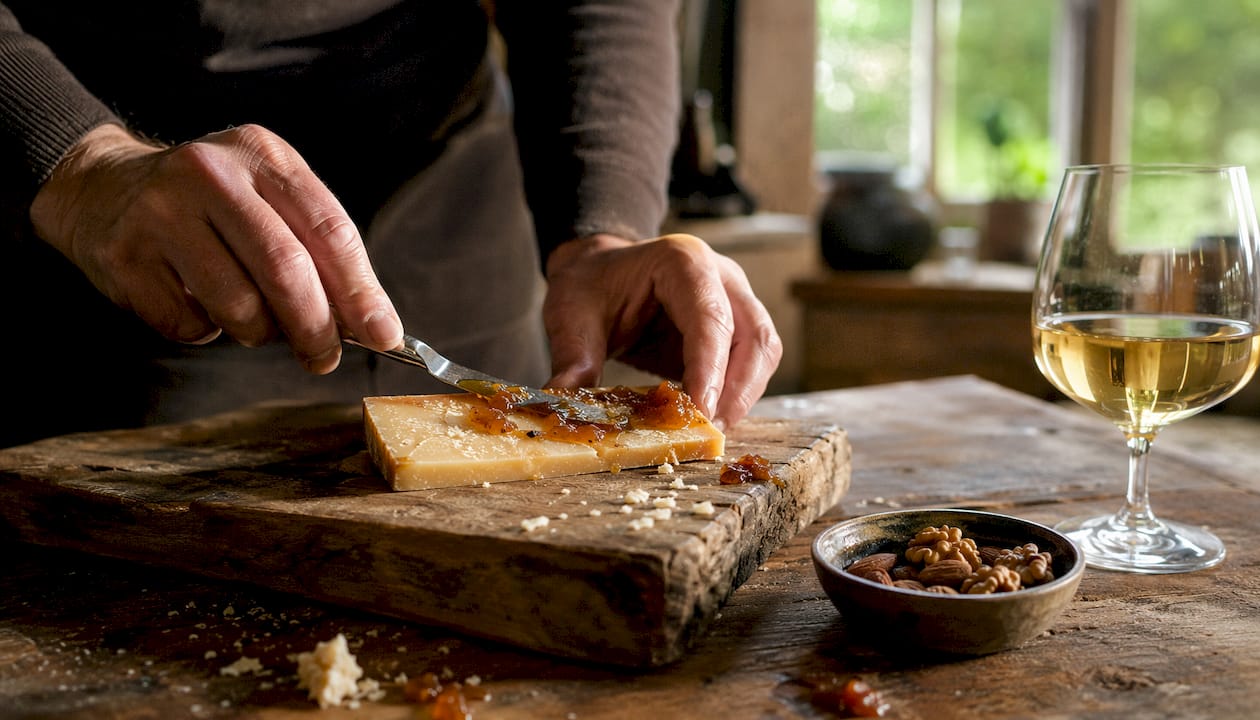
Which Fruit Spread Goes with Which Cheese?
| Cheese Type / Intensity | Flavour Profile | Recommended Fruit Spread | Serving Tip |
|---|---|---|---|
| Soft Cheese (Camembert, Brie) / mild | sweet, creamy | Apricot, Peach, Strawberry | Ciabatta, walnuts, Pinot Blanc |
| Fresh Cheese / very mild | fresh, neutral | Redcurrant jelly, citrus confettura | Toast bread, mint, Prosecco |
| Semi-hard Cheese (Gouda, Edam) / medium | nutty, lightly sweet | Apple-pear spread, quince jelly | Wholegrain bread, hazelnuts, Riesling |
| Hard Cheese (Gruyère, Manchego, Parmesan) / robust | nutty, savoury | Apricot, mango chutney, fig mustard | Sourdough bread, walnuts, Chardonnay |
| Blue Cheese (Roquefort, Gorgonzola) / very robust | salty, savoury, complex | Fig, pear, raspberry, sour cherry | Walnut bread, honey, port wine |
| Goat Cheese / medium to robust | fresh, lightly tangy | Fig spread, apricot confettura | Rye bread, pine nuts, Sauvignon Blanc |
Stone fruits like peach and nectarine harmonise particularly well with soft, creamy cheeses, as their fresh sweetness underscores the creaminess without overwhelming it. Seasonal variations are worthwhile: in summer, cherry or raspberry spreads bring vibrancy to the board; in autumn, quince and pear take on this role.
- Mild sliced cheeses like Gouda pair equally well with apple wedges and apple spreads.
- Hard cheeses benefit from chutney as an accompaniment, as the spicy-sour component complements the cheese's nuttiness.
- Fig mustard is an all-rounder that suits both mild and robust sliced cheeses.
Blue Cheese: How to Master the Intensity
Blue cheese is the extreme case among cheese varieties. Its high salt content, intense fat, and savoury mould ripening demand a spread that doesn't flinch. Too mild a spread simply vanishes.
- Roquefort + Raspberry Spread: The berry's acidity cuts through the fat and lets the fruit shine beside the salt. For those who prefer it even more intense, sour cherry is the choice.
- Gorgonzola + Fig Confettura: The caramelised, slightly resinous aroma of fig meets the creamy savouriness of Gorgonzola. This pairing works because fig confettura is considered a versatile premium companion.
- Stilton + Pear Spread: Pear brings floral sweetness without acidic sharpness — ideal when you want to keep the cheese centre stage.
- Blue Cheese generally + Honey: Honey isn't strictly a fruit spread, but as a complement to raspberry or fig spread on the board, it sets a golden counterpoint.
When serving: blue cheese comes in small portions on the board, room temperature is essential. Walnuts alongside, a dollop of spread in a small spoon beside. Port wine or a sweet Riesling complete the experience.
Marmalade, Confettura, Fruit Spread: What Applies in Germany?
The terms sound interchangeable, but they are not. According to EU Jam Regulations, only citrus-based products may be called "marmalade". All other fruit products are correctly termed "confettura" or "fruit spread". An exception applies to homemade products and those sold at weekly markets.
- Confettura: minimum 35% fruit content; "extra" means at least 45%
- Fruit Spread: typically high fruit content, usually with little or no sugar
high fruit content is the benchmark for premium fruit spreads — and it is precisely this high proportion that makes the difference in pairing, as the fruit aroma remains clear and undiluted.
When buying, it's worth checking the label: fruit content, sugar quantity, origin of fruits, and organic certification are the most important criteria. Ökotest examined strawberry confetture and found that organic-certified spreads performed better in sensory qualities and ingredients than conventional products. Artisan products like Minnelea spreads rely on selected fruits from Southern Italy and avoid unnecessary additives — you can taste the difference.
How to Serve a Cheese Board Properly
Three rules determine whether a cheese board with fruit spread truly shines at the table.
- Temperature: Cheese needs at least 30 minutes at room temperature before serving. Cold cheese releases little aroma.
- Order: Taste from mild to robust — fresh cheese first, blue cheese last. This way no aroma overwhelms the next.
- Texture Contrast on the Board: Creamy beside firm, soft beside crisp. Ciabatta, wholegrain bread, and sourdough slices side by side give guests choice.
For presentation, we recommend a quality wooden board with room for cheese, spreads, and accompaniments without crowding. Spreads go in small spoons or bowls on the board — never spread directly on the cheese, so guests can combine as they wish. A separate knife for each cheese prevents aroma mixing.
For drink pairings: Riesling suits fruity combinations with soft and semi-hard cheeses. Port wine or dessert wine harmonises with blue cheese and fig spread. For goat cheese with apricot, we recommend a fresh Sauvignon Blanc.
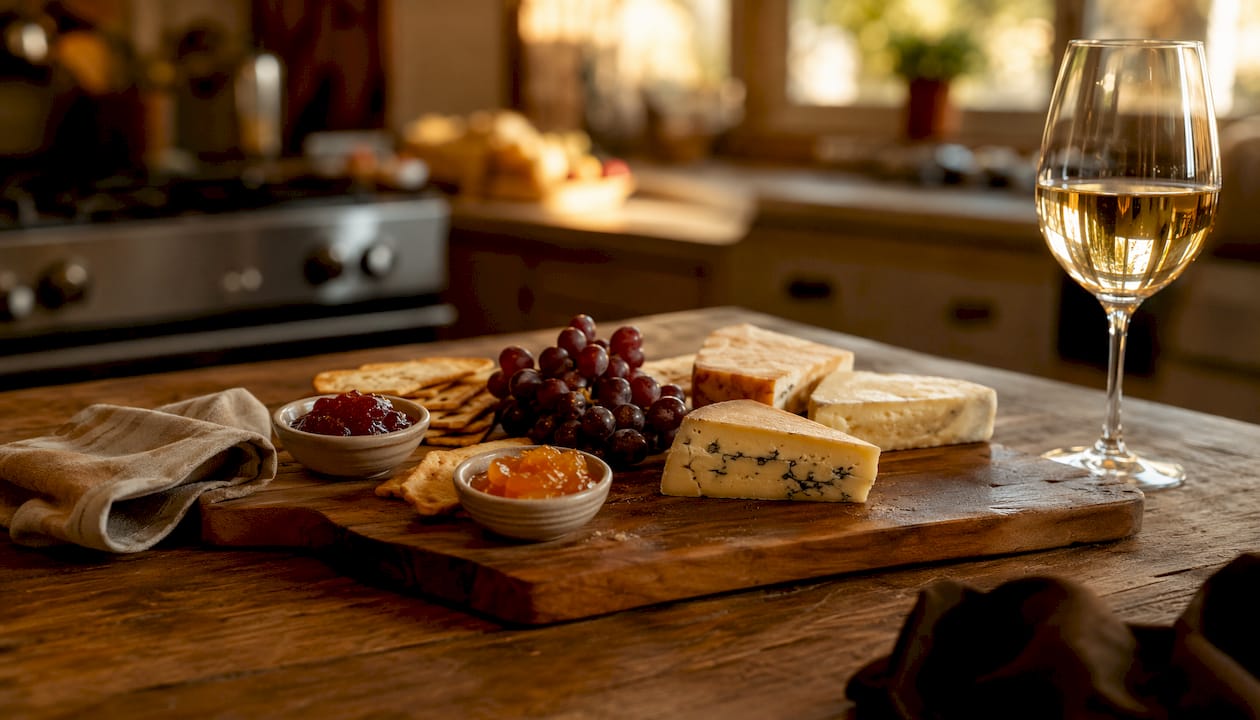
Pro Tip: Small labels beside each cheese and spread help guests experience the pairings consciously. Serving spreads in spoons allows free combination and prevents aromas from mingling on the board.
Minnelea Spreads: Three Recommendations for the Gourmet Board
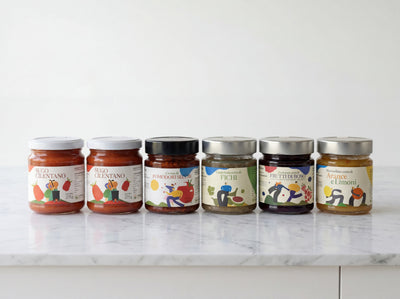
At Minnelea, we work with fruits from Cilento, one of the most biodiverse cultural landscapes in Southern Italy. Three spreads from our range have proven particularly versatile in practice.
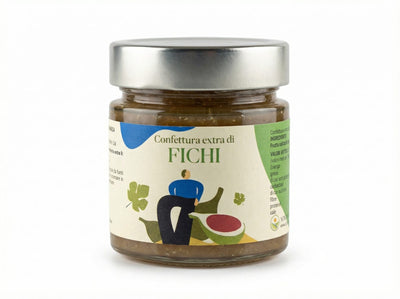
- Fig Confettura: The caramelised, slightly resinous aromatic profile of fig makes this spread the perfect companion for goat cheese. But it also sings alongside aged Pecorino or Gorgonzola. On wholegrain bread, with walnuts beside and a glass of Primitivo — this is a combination that lingers. More on the history and quality of this speciality can be found in our article on fig confettura.
- Strawberry Confettura: Fresh, lightly tangy, with genuine fruit pieces — it suits Brie and Camembert equally well as mild fresh cheese. Consistency is crucial: chunky strawberry confettura provides textural contrast to creamy cheese that a smooth, sieved jelly cannot achieve. Our pairing guide to strawberry confettura shows all combination possibilities in detail.
- Apricot Confettura: Stone fruit sweetness with a fine acidic note that flatters Gruyère, Manchego, and goat cheese alike. On toasted sourdough with a hint of butter, it unfolds its full aroma.
Key Insights
The best cheese and fruit spread combination succeeds when intensity, texture, and sweetness-acidity balance are aligned — fig confettura, apricot, and raspberry spreads belong on every gourmet board.
| Topic | Details |
|---|---|
| Intensity Rule | Robust cheeses need robust spreads; mild cheeses suit delicate, fruity spreads. |
| Texture Contrast | Chunky confetture offer more mouthfeel with creamy cheeses than smooth, sieved jellies. |
| Check Fruit Content | Premium fruit spreads typically have high fruit content — this makes the aromatic difference. |
| Three All-Rounders | Fig spread, apricot confettura, and raspberry spread suit most cheese categories. |
| Minnelea Recommendation | Minnelea fig confettura, strawberry and apricot confettura from Cilento suit gourmet cheese boards. |
What I Truly Appreciate About This Combination
There is one observation that surprises me again and again at tastings: most people underestimate how strongly a spread's consistency changes the experience. Not the fruit variety alone matters, but whether the spread is chunky, creamy, or jelly-like. A fig spread with recognisable fruit pieces beside goat cheese creates a different mouthfeel than a smooth, sieved fig jelly — though both taste of fig.
Then there's a point many guides overlook: the term "marmalade" sounds familiar, but it obscures real quality differences. A fruit spread with 50–70% fruit content tastes more vibrant, fresher, and less sweet than a confettura with 35% — and it is precisely this vibrancy that elevates a cheese board from good to exceptional. Once you've tasted an artisan spread with high fruit content beside an industrial product, you don't go back.
My personal favourite remains goat cheese with fig spread on lightly toasted rye bread. The combination is simple, but it has a depth that cannot be explained — it must be tasted.
Minnelea Spreads for Your Next Cheese Board
Those wishing to recreate these pairings at home will find artisan fruit spreads from Cilento at Minnelea, made precisely for this purpose: high fruit content, no unnecessary additives, a consistency that works on the cheese board.

And for those wishing to extend the board with savoury Mediterranean accents: our peppers in olive oil serve as a spicy counterpoint to mild and aged cheeses. For a complete overview of all pairing possibilities, we recommend our guide to pairing preserves with cheese. Browse the collection and assemble your gourmet board — the spreads from Cilento await.
Further Reading
- Jam Food Pairing: The Best Combinations with Cheese and Bread — comprehensive overview of bread-cheese-spread combinations, useful for those wishing to deepen the fundamental rules
- Cheese & Confettura: Delicious Combinations — practical pairing suggestions by cheese category, ideal as quick reference
- Which Marmalade Goes with Cheese? — explains chutney varieties and fresh cheese pairings with drink recommendations
- Ökotest Strawberry Marmalade Test — buying guide with quality ratings and notes on EU Jam Regulations
- Which Spread Goes with Cheese? — recommendations for nuts, honey, and fig mustard as additions to the cheese board
- Minnelea: Marmalade, Confettura, Composta — What Are the Differences? — internal article on the legal and qualitative distinctions between fruit products, recommended for those wishing to delve deeper into terminology