
Pairing Jam with Cheese: The Ultimate Guide
 | From our selection Welcome Kit (6 jars)Handmade, no preservatives. € 34,90 Discover → |
Once you’ve tasted a spoonful of fig confettura on a wedge of real blue cheese, no explanation is needed—only the courage to take the first bite. Pairing jam with cheese isn’t a fleeting trend; it’s an age-old culinary tradition rooted in many European regions. Yet plenty of gourmets still hesitate. The right marriage of sweet fruit and savoury cheese opens an entirely new dimension of flavour. Let us show you—through recipes, pro tips and concrete ideas—how to bring this jam-and-cheese pleasure to your own table.
Inhaltsverzeichnis
- Key Takeaways
- Pairing jam with cheese: the basics and ingredients
- Step by step: how to pair cheese and jam correctly
- Common mistakes when pairing cheese and jam
- Creative recipe ideas for sweet cheese twists
- My own experience with jam and cheese
- Minnelea jams for your cheese board
- FAQ
Key Takeaways
| Point | Details |
|---|---|
| Opposites attract | Sweet or tangy jams marry best with piquant or salty cheeses. |
| Quality is everything | High-quality jams with a balanced sweet-acid ratio make all the difference. |
| Let it mature | Homemade jams should rest for one to two weeks before meeting cheese. |
| Avoid imbalance | Overly sweet jams paired with mild cheeses drown the cheese’s character. |
| Be bold | Savoury jams with chilli or onion open surprising avenues far beyond the classic board. |
Pairing jam with cheese: the basics and ingredients
To pair jam with cheese you need one thing above all: a feel for contrast. The principle is simple yet captivating. Opposites attract, and that is what makes flavour pairing so alive. Sweet meets salty, fruity meets savoury, delicate meets intense.
Cheese styles at a glance
Not every cheese responds the same way to a fruit spread. Here are the main categories and their strengths:
- Soft cheeses like Camembert or goat’s cheese: mild, creamy, and receptive to sweet-fruit notes
- Semi-firm slicing cheeses like Gouda or Fontina: balanced flavour, happy with both fruity and savoury jams
- Hard cheeses like Parmigiano Reggiano or Pecorino: intense and salty, lovely with fig or citrus marmellata
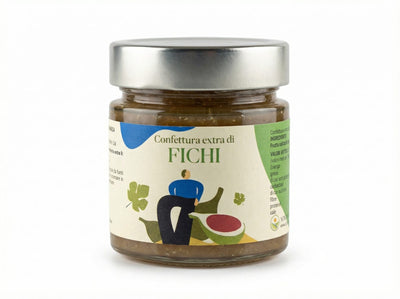
- Blue cheeses like Gorgonzola or Roquefort: bold and piquant, needing a sweet counterweight; fig confettura is a classic
Jams and their personalities
The world of jams for cheese is larger than most imagine. Classic strawberry or apricot confettura is only the beginning. Wild berries, blood oranges, figs, red onion with chilli, even radicchio—each brings its own aroma.
What matters is the sweet-acid balance set during cooking. Jams that strike a true equilibrium between fruit, acidity and sweetness give the best foundation for a successful cheese match.
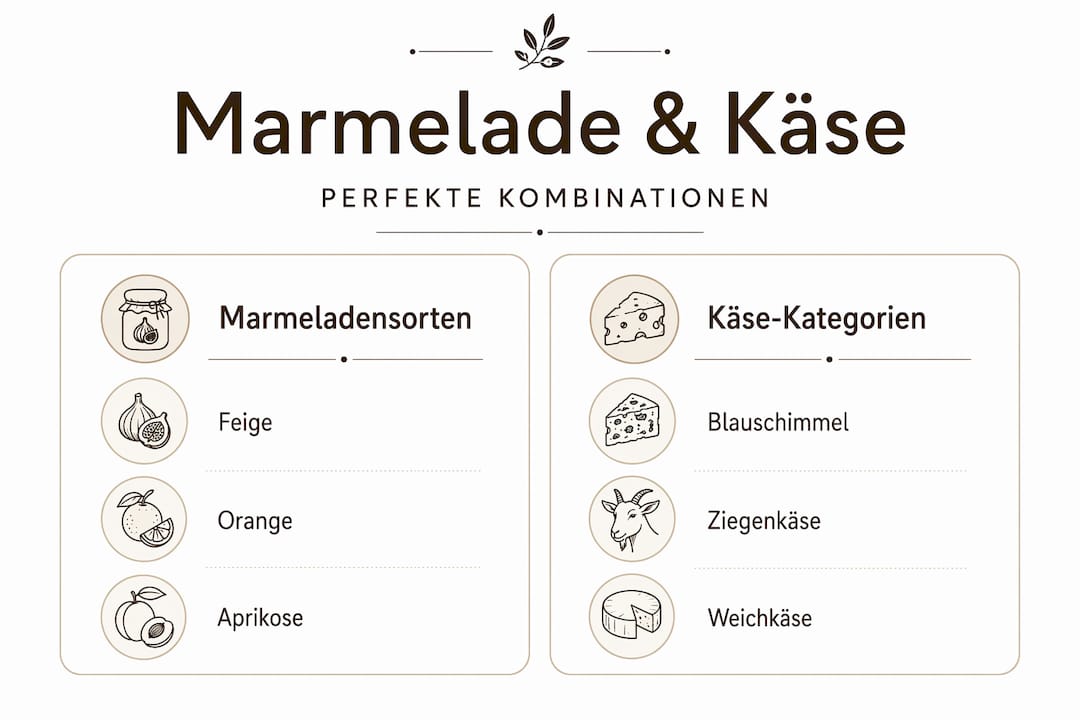
| Jam style | Cheese match | Flavour profile |
|---|---|---|
| Fig confettura | Blue cheese, hard cheese | Sweet, caramel-like, deep |
| Orange marmellata | Goat’s cheese, soft cheese | Fruity, gently bitter, aromatic |
| Wild-berry jam | Blue cheese, Brie | Tangy-sweet, berry-fresh |
| Red-onion-chilli jam | Slicing cheese, hard cheese | Savoury, spicy, warming |
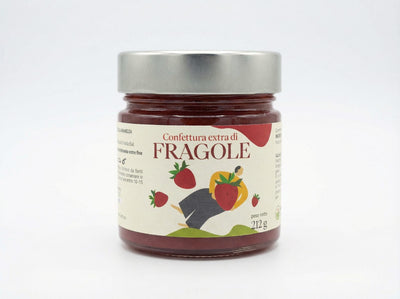
| Strawberry confettura | Fresh cheese, mild goat’s cheese | Classic-sweet, light, fresh |
Pro tip: Choose jams with a high fruit content and no artificial additives. A worthy cheese partner needs no thickeners; its set comes solely from the fruit’s natural pectin and careful cooking.
Step by step: how to pair cheese and jam correctly
A successful pairing is no accident; it follows a small, learnable logic. Here is our trusted guide.
-
Temper the cheese. Remove it from the fridge at least 30 minutes before serving. Only at room temperature does it reveal its full aroma.
-
Choose the jam. Let the cheese decide: bold wheels need sweeter, more intense fruit; mild cheeses prefer lighter, tangier spreads.
-
Melt for creaminess. Slide soft cheeses like Camembert briefly under the grill for an irresistibly creamy texture, then spoon on the jam.
-
Measure sparingly. A teaspoon per portion is plenty. The jam should support, not smother, the cheese.
-
Add supporting actors. Walnuts, pecans or a good sourdough round things off beautifully. A sprig of fresh thyme adds a green, aromatic lift.
-
Let homemade jams mature. If you cook your own, let them rest for at least one to two weeks before they meet cheese. The flavour deepens remarkably.
| Pairing | Prep time | Special note |
|---|---|---|
| Goat’s cheese with orange marmellata and walnuts | ~20 min | Savoury-sweet-nutty, perfect starter |
| Melted Camembert with wild-berry jam | ~10 min | Creamy, fruity, effortless |
| Gorgonzola & fig confettura on crostini | ~15 min | Classic, deep, festive |
| Pecorino with red-onion-chilli jam | ~5 min | Spicy, surprising, bold |
Pro tip: Homemade savoury jams such as red-onion-apple-chilli keep up to six months when hot-filled into sterile jars and sealed immediately. You’ll have a versatile secret weapon for every cheese board.
Common mistakes when pairing cheese and jam
Even enthusiastic tasters fall into the same traps. Know them, and you’ll sidestep them effortlessly.
-
Too much sweetness on mild cheese. An ultra-sweet strawberry confettura on delicate fresh cheese flattens both elements.
-
Choosing the wrong cheese. A young, mild Gouda disappears beside an intense fig jam. Bold pairings need cheeses with backbone.
-
Serving cheese too cold. Cold cheese releases almost no aroma; the duet stays dull.
-
Overloading the jam. A tiny dot is enough to open the flavour window.
-
Reaching for industrial jams. High-sugar, low-fruit spreads add little. The sweet-acid profile must be honest.
Pro tip: If a pairing turns too sweet, balance it with a pinch of flaky sea salt on the cheese or a drop of lemon juice on the jam. Salt amplifies fruit notes while bringing the cheese back into focus.
Creative recipe ideas for sweet cheese twists
This is where the fun begins. Once you know the rules, you can start bending them. The ideas below range from a quick breakfast to a festive cheese board for guests.
Classics with depth
Goat’s cheese with orange marmellata never grows old. The gentle bitterness of citrus plays beautifully against the cheese’s creamy mildness. Walnuts and a sprig of lemon thyme complete the spectrum. Twenty minutes of work, a lifetime of flavour.

For a warm version, try crostini with Fontina and orange-lemon marmellata. The Fontina melts silkily, the citrus sings, and a whisper of prosciutto crudo adds the savoury depth that makes this starter unforgettable.
Bold new discoveries
If you’re feeling adventurous, explore savoury jams. A red-onion-apple-chilli confettura with aged Pecorino or Manchego is revelatory. The heat and tang balance the cheese’s fat and salt in a way you simply don’t expect.
Blue cheese with wild-berry jam follows the same principle. The berries counter the Gorgonzola’s bite and create a moment of genuine surprise.
Ideas for every occasion
-
Breakfast: Fresh cheese on sourdough toast with strawberry confettura and a twist of black pepper. Simple and eye-opening. Find inspiration at toast with cheese and jam.
-
Cheese board for guests: Offer at least three jams of differing intensity—a sweet fruit confettura, a tangy citrus marmellata and a savoury onion jam. Every guest will find the pairing that surprises them.
-
Party dip: A spicy fruit spread with chilli alongside cheese cubes for a standing reception. Blueberry confettura with a hint of rosemary becomes an elegant, modern dip your guests won’t forget.
-
Cheese dessert: Aged Parmigiano Reggiano with fig confettura and a glass of Lambrusco. Not a dessert in the classic sense, but a dignified close to dinner. A risotto with Gorgonzola and fig confettura shows how the pairing can even enrich hot dishes.
The beauty of sweet cheese twists is their formlessness. There is no wrong, only degrees of discovery.
My own experience with jam and cheese
I still remember the first time I tasted a homemade radicchio-blood-orange marmellata with aged Pecorino. My first reaction was scepticism. Radicchio and cheese? It sounded like an experiment doomed to fail. Then came the first bite: the gentle bitterness of radicchio, the floral acidity of blood orange, the salty punch of Pecorino. All at once, all in balance.
Since then I’ve learned that the greatest discoveries happen when you set the rules aside. I’ve played with chilli-ginger confettura and hard cheese, lemon-thyme jelly with Brie, plum confettura with Manchego. Not everything worked—but many of those moments revealed that the playing field between jam and cheese is far larger than cookbooks suggest.
My honest advice: invest in quality on both sides. A mediocre jam can’t be rescued by the finest cheese. But work with artisanal fruit spreads that carry real fruit and honest aroma, and you’ll taste the difference immediately. Cheese and jam is no lucky accident; it’s an invitation to pleasure that deserves to be accepted.
— carmine
Minnelea jams for your cheese board
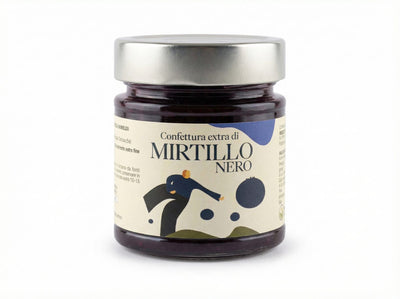
At Minnelea we craft our jams in small batches from carefully chosen ingredients grown in Cilento, southern Italy. Each jar carries the scent of a specific place, a specific moment of harvest. Our blueberry and wild-berry confetture are wonderful with blue cheeses and mature hard cheeses. The orange and lemon marmellate from Cilento sing alongside goat’s cheese or Fontina. You’ll find the full range in our jam collection, also available as gift sets for cheese lovers. Try it: a good jar of jam on a thoughtfully composed cheese board is a gift to everyone seated at the table.
FAQ
Which jam works best with cheese?
Fig confettura with blue cheese and orange marmellata with goat’s cheese are tried-and-true classics. The rule: bold cheeses call for sweeter, more intense jams; mild cheeses prefer lighter, fruitier spreads.
Can savoury jams be used with cheese?
Absolutely. Savoury jams with onion, chilli or apple make brilliant cheese companions. They balance the cheese’s fat and bring a surprising kick that pairs especially well with slicing and hard cheeses.
How much jam should I serve with cheese?
A teaspoon per portion is plenty. Too much jam masks the cheese, which should remain the star. A small dab keeps both elements in balance.
How long should homemade jam mature before serving with cheese?
Homemade jams reach their full aroma after at least one to two weeks. Stored correctly they keep up to six months and grow more complex, making the pairing with cheese even more intriguing.
What mistakes should I avoid when pairing?
The most common is pairing an overly sweet jam with a mild cheese. Also, never serve cheese ice-cold; it releases almost no aroma. And always use jam sparingly.
Recommendations
- Cilento Orange and Lemon Marmalade · Artisan · Minnelea – Azienda Agricola Minnelea
- Cilento Washington Orange Marmalade · Artisan · Minnelea – Azienda Agricola Minnelea
- Sicilian Orange Marmalade: What Sets It Apart? – Azienda Agricola Minnelea
- Stocking Premium Marmalade in 2026 – Azienda Agricola Minnelea