
Elevating Pasta with Olive Oil Sauce: How It’s Done
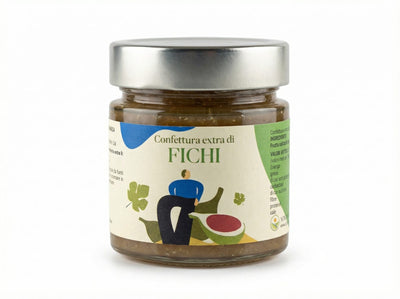
 | From our selection Fig JamHandmade, no preservatives. € 7,90 Discover → |
Olive oil is never just fat in the pan—it is the aromatic soul of every great olive-oil pasta. Yet when you try to elevate pasta with olive-oil sauce, a familiar frustration appears: the oil refuses to marry the noodles, the dish feels greasy instead of creamy, and the garlic tastes bitter. The secret is not more ingredients, but the right technique. This guide shows you exactly how to do it.
Inhaltsverzeichnis
- Key Takeaways
- Choosing the Right Ingredients
- Step-by-Step: the Perfect Olive-Oil Sauce
- Common Mistakes When Elevating Pasta with Olive Oil
- Creative Twists on Olive-Oil Sauce
- My Own Journey with Olive Oil and Pasta
- Authentic Ingredients for Your Pasta from Cilento
- FAQ
Key Takeaways
| Point | Details |
|---|---|
| Olive-oil quality is everything | Choose extra-virgin olive oil with a fresh, fruity aroma as the foundation of every good sauce. |
| No oil in the pasta water | Oil in the water prevents the sauce from clinging to the pasta later. |
| Pasta water as emulsifier | Starchy cooking water binds oil and liquid into a creamy emulsion. |
| Finish the pasta in the pan | The final toss in the pan with oil and pasta water is what turns noodles into silk. |
| Herbs and extras, used wisely | Fresh herbs, lemon and nuts give the olive-oil base new depth. |
Choosing the Right Ingredients
Before you even switch on the stove, one choice shapes everything: the olive oil. Not every bottle is equal. For a fragrant sauce you need extra-virgin olive oil of the highest grade—fruity, lightly peppery and aromatic.
Quality markers and storage
Extra-virgin olive oil is sensitive to light, heat and oxygen. Proper storage means dark, cool and tightly sealed. Use an opened bottle within a few months so the aroma does not fade. An oil that smells rancid or tastes flat will ruin any sauce, no matter how good the other ingredients.
Herbs and add-ins for Mediterranean character
Pasta with herbs shine when oil and fresh (or dried) aromas meet. These ingredients work especially well:
- Garlic: Fresh, sliced thinly, never crushed. It releases its perfume evenly.
- Parsley: Fresh and added only at the end so the colour stays vivid and the aroma bright.
- Basil: Also at the end—never let it cook.
- Chili: A pinch of dried chili adds warmth without taking over.
- Parmesan or Pecorino: Finely grated and folded in during the final toss.
As for tools, you need a wide pan, a large pot for the pasta, a ladle for the cooking water and tongs or a spoon for tossing. Simple, because it should be.
Pro tip: Look for a harvest year on the label. The fresher the oil, the more intense the aroma. A current-harvest oil tastes grassy, lightly bitter and peppery—exactly what you want in your sauce.
| Ingredient | Role | When to add |
|---|---|---|
| Extra-virgin olive oil | Flavour carrier and fat base | At the start and as a finishing touch |
| Garlic | Depth and savour | Early, over medium heat |
| Fresh herbs | Freshness and colour | Right at the end |
| Pasta water | Emulsifier for creamy binding | While tossing |
| Parmesan | Umami and creaminess | During the final pan toss |
Step-by-Step: the Perfect Olive-Oil Sauce
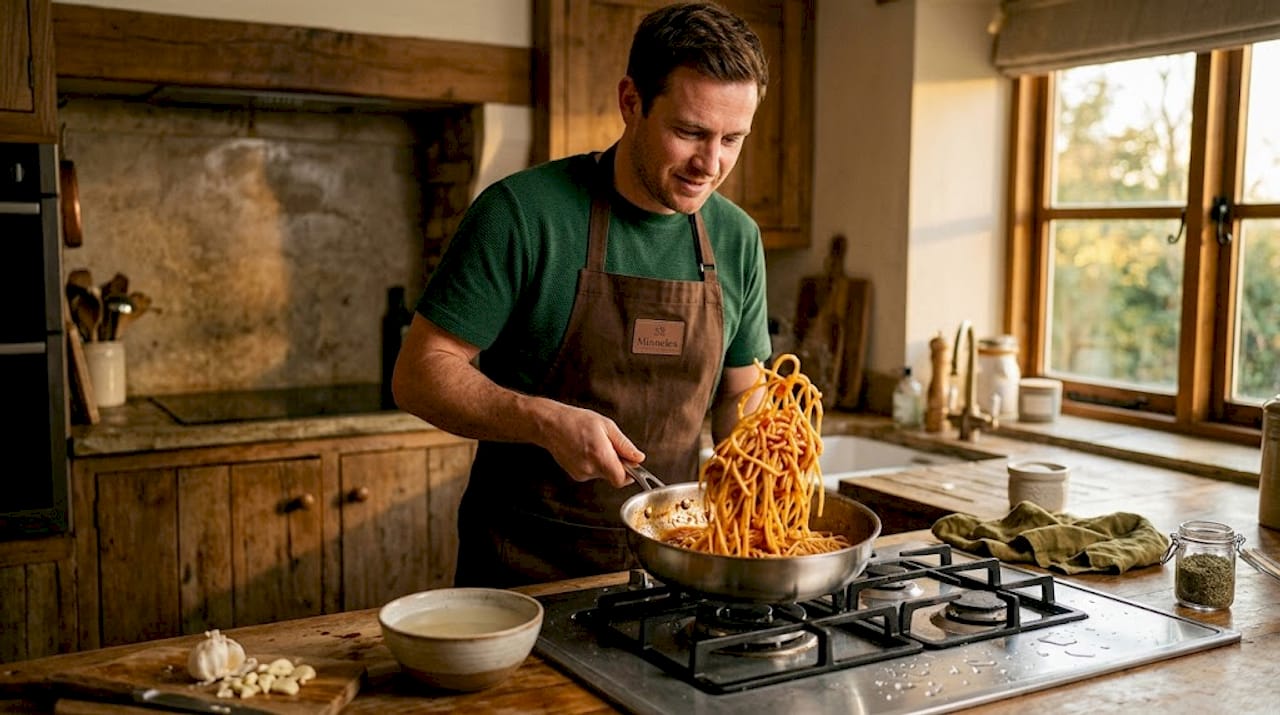
Here is the truth many home cooks never hear: a great olive-oil sauce is not mixed, it is emulsified. The difference is decisive. If you cook pasta and merely drizzle oil over it, you get greasy noodles. If you finish the pasta in the pan with oil and starchy water, you get a silky sauce that that coats every strand.
The method in detail
-
Bring salted water to a boil. Use plenty of water and salt it generously—it should taste like mild seawater. No oil in the water, ever.
-
Cook the pasta al dente. Boil it two minutes shorter than the package suggests; it will finish in the pan.
-
Reserve the cooking water. Before draining, scoop out two or three ladlefuls of the cloudy, starchy water and set aside. This is your most important tool.
-
Warm the olive oil in a wide pan. Add two to three tablespoons of olive oil over medium heat. It should shimmer but never smoke.
-
Infuse the garlic. Slide in the garlic slices and let them turn translucent slowly. They should perfume the oil, not fry. Once fragrant and lightly golden, remove them or leave them in—your choice.
-
Transfer the pasta, dripping wet. Lift the pasta straight from the pot into the pan with tongs. The little water that comes along helps the emulsion.
-
Add the cooking water gradually. Pour in a ladleful and toss the pan vigorously. The starch in the water binds with the oil to create a creamy emulsion. Add more water as needed until the sauce looks glossy and coats the noodles.
-
Fold in herbs and Parmesan. Take the pan off the heat, add fresh parsley or basil and toss once more. Stir in the Parmesan; it melts in the residual heat.
-
Serve immediately. Olive-oil pasta does not wait. Plate on warmed dishes and finish with a thin thread of fresh oil.
Pro tip: The pan toss is not optional. It is the motion that creates the emulsion. Stirring instead of tossing gives a less creamy sauce. A wide, shallow pan makes this effortless.
The starch-oil-water emulsion only forms when the pasta finishes cooking under constant motion in the pan. This is the detail that separates a trattoria in Naples from your kitchen.
Common Mistakes When Elevating Pasta with Olive Oil
Even seasoned home cooks repeat the same missteps. Here are the most common—and how to avoid them.
“Olive oil works best as a flavour carrier in a controlled pan environment, never in the pasta water.”
The most frequent mistakes at a glance
-
Oil in the pasta water. The most widespread myth. Oil forms a film on the noodles that repels the sauce. The starch on the pasta surface is the natural glue; oil destroys it.
-
Burning the garlic. Garlic that browns turns bitter and ruins the oil’s aroma. Short cooking over medium heat is the rule. As soon as it smells fragrant and turns light gold, it is ready.
-
Too much oil. More oil does not make a better sauce. Two to three tablespoons for 300 g of pasta are enough. The rest comes from the pasta water and the final drizzle.
-
Fully cooking the pasta in water. If you drain the pasta completely and then simply mix in oil, you get greasy noodles instead of a creamy sauce. Finishing in the pan is not optional; it is essential.
-
Adding herbs too early. Fresh herbs like parsley or basil lose aroma and colour if they cook. Always add them at the very end.
-
Overheating the olive oil. Extra-virgin olive oil has a higher smoke point than often claimed, but too much heat still strips its delicate aromas. Medium heat is plenty.
These tips sound simple because they are. Yet they make the difference between mediocre and memorable pasta.
Creative Twists on Olive-Oil Sauce
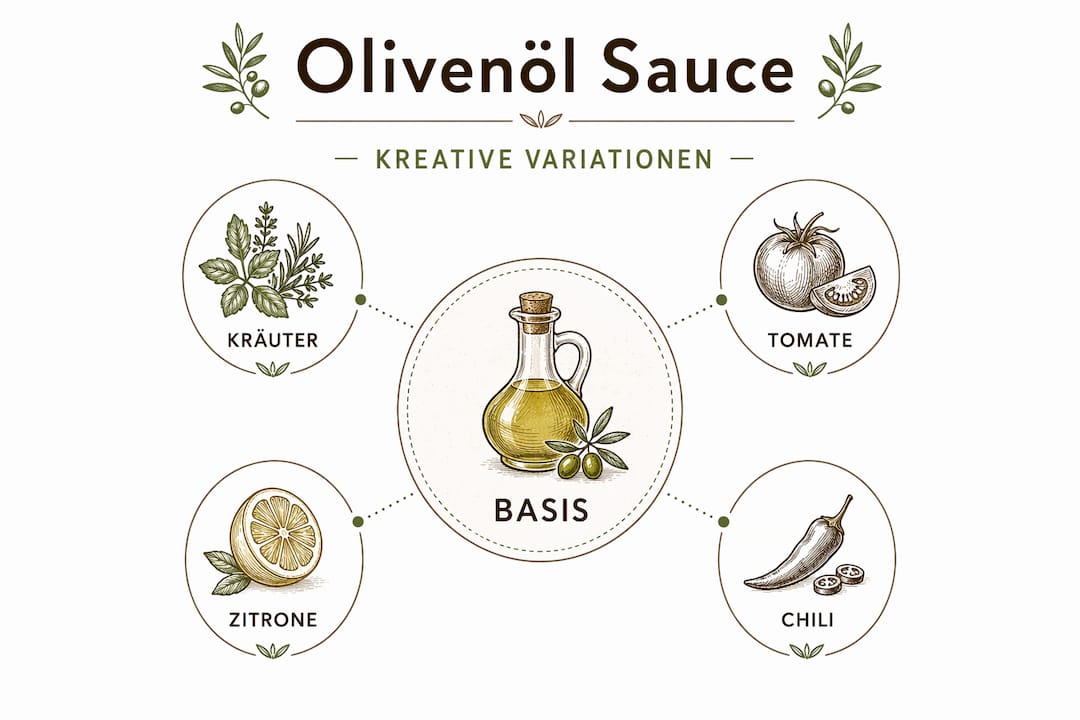
The beauty of an olive-oil base is its chameleon-like nature: it carries many flavours without ever fading into the background. Once you master the foundation, you can play endlessly.
Classic: perfecting Spaghetti Aglio e Olio
Spaghetti Aglio e Olio is olive-oil pasta in its purest form: only oil, garlic and parsley. The quality of the oil takes centre stage because nothing masks it. Garlic and herbs are gently warmed in the oil, the pasta is added straight from the pot, tossed with pasta water to emulsify, and finished with fresh parsley and Parmesan. A pinch of chili is optional. That is all.
Fresh variations with lemon and nuts
- Lemon: The zest of an organic lemon, grated over the pasta just before serving, lifts the olive-oil aroma to another level. The citrus note brightens the sauce.
- Ricotta: Ricotta with olive oil and lemon zest creates a creamy sauce without cream. Simply fold the ricotta in while tossing.
- Pine nuts: Briefly toasted in a dry pan and scattered over the finished pasta. They add texture and a gentle nutty note.
- Walnuts: Roughly chopped, raw or toasted. They pair beautifully with herbs such as sage or rosemary.
Mediterranean extras for deeper flavour
| Ingredient | Effect | Pairs with |
|---|---|---|
| Sun-dried tomatoes in oil | Intense sweetness, umami | Linguine, penne |
| Olives | Salty, fruity | Spaghetti, rigatoni |
| Chili | Warmth, heat | Aglio e Olio, bucatini |
| Capers | Acidity, saltiness | Pasta with fish, penne |
| Aubergine in oil | Creamy, smoky | Rigatoni, paccheri |
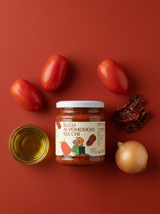
Sun-dried tomatoes preserved in extra-virgin olive oil—like those from Minnelea—bring a concentrated sweetness that fresh tomatoes never achieve. Simply slice them into strips and add them, along with their fragrant oil, straight to the pan. The oil is already infused and gives the sauce instant depth.
Antipasti such as marinated peppers or aubergine in extra-virgin olive oil fold effortlessly into an olive-oil sauce. Roughly chop, tip into the pan and toss with the pasta. Mediterranean soul appears on the plate without hours of prep.
Pasta with tomatoes and olives is another classic: sauté garlic briefly, add cherry tomatoes and olives, toss in the pasta, finish with parsley. A dish that tastes like southern Italy in one bite.
My Own Journey with Olive Oil and Pasta
It took me years to understand why my pasta never tasted like the plates I loved in Italy. I had good oil, fresh herbs, everything. What I lacked was patience for the final pan toss.
My most common mistake—one I made again and again—was to cook the pasta completely in water, drain it, drizzle oil and hope for the best. The result was always the same: slick, oily noodles that refused to hold a sauce. Only when I realised that finishing in the pan is not a trick but the actual method did everything change.
What surprised me most: the fewer the ingredients, the more technique matters. In Spaghetti Aglio e Olio there is nowhere to hide bad oil or burnt garlic. The dish reveals everything you know and everything you use.
My honest advice: invest in a truly great extra-virgin olive oil from a specific region, learn the toss, and pull the pasta two minutes early. The rest takes care of itself.
— carmine
Authentic Ingredients for Your Pasta from Cilento

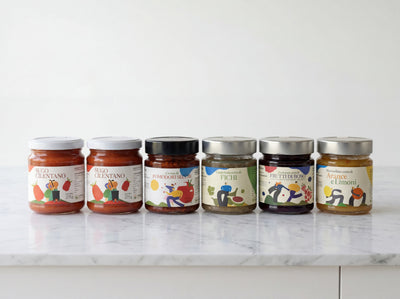
If you want to elevate pasta with olive-oil sauce, you need ingredients that carry the aroma. At Minnelea you will find handcrafted antipasti and Mediterranean specialities from Cilento in southern Italy—sun-dried tomatoes, marinated aubergines and aromatic peppers, all preserved in extra-virgin olive oil. The aubergine in extra-virgin olive oil is a direct route to authentic Mediterranean flavour on your plate, without hours of preparation. Explore the full Minnelea collection and bring real southern-Italian aromas into your kitchen.
FAQ
Why doesn’t the olive-oil sauce stick to the pasta?
Usually because oil was added to the cooking water or the pasta was not finished in the pan. Oil forms a film that repels the sauce.
How do I make olive-oil sauce creamy?
Add starchy pasta water gradually to the noodles in the pan and toss vigorously. The starch binds with the oil to create a silky emulsion that coats every strand.
Which olive oil is best for pasta?
Extra-virgin olive oil with a fresh, fruity aroma is ideal. Look for a harvest year on the label and store the oil in a cool, dark place.
When should I add herbs to the olive-oil sauce?
Fresh herbs such as parsley or basil go in right at the end, after the pasta has finished cooking in the pan. This preserves colour and aroma.
Can I add sun-dried tomatoes or antipasti to the sauce?
Yes. Sun-dried tomatoes or marinated antipasti in extra-virgin olive oil can go straight into the pan together with their oil, instantly adding Mediterranean depth.
Recommendations
- Cilento Tomato Sauce · Traditional Recipe · Minnelea – Azienda Agricola Minnelea
- Cilento Spicy Tomato Sauce with Chili · Minnelea – Azienda Agricola Minnelea
- Pumpkin Cream EVOO 200g · Cilento Artisan · Minnelea – Azienda Agricola Minnelea
- Cilento Peppers in EVOO · Mediterranean Antipasto · Minnelea – Azienda Agricola Minnelea