
Creamy Pasta Without Cream: the 5 Italian Techniques
Here lies the paradox of Italian cooking: its silkiest pastas—Carbonara, Cacio e Pepe, every risotto-like finish—contain not a drop of cream. In Italy, creaminess is not an ingredient but a technique. Master the five methods in this article and every noodle you serve will be glossy, lighter, more fragrant and infinitely more impressive than anything a carton of cream could deliver. (Cream lovers, we still have you covered: the classic cream sauce, done right.)
 | From our selection Fig JamHandmade, no preservatives. € 7,90 Discover → |
Technique 1: The pasta-water emulsion (the foundation of everything)
Pasta water is liquid starch—and starch plus fat plus movement equals emulsion, the same physics behind mayonnaise. Here’s how:
- Cook the pasta in less water (1 L per 100 g instead of the usual recommendation—more concentrated starch).
- Scoop out a cup of cooking water before draining. Always. Automatically.
- Transfer the pasta to the pan one minute before al dente, add a splash of the starchy water and toss vigorously over medium heat. The sauce visibly turns creamy and coats every strand.
Those 60 seconds are called mantecatura in Italian—and mark the difference between “noodles with sauce” and pasta.
Technique 2: Cheese + pasta water (the Cacio e Pepe principle)
Finely grated Pecorino or Parmigiano whisked with lukewarm (never hot!) pasta water into a paste, then stirred off the heat into the pasta—creates a cream that makes actual cream look clumsy. The only rule: keep it below 70 °C or the cheese will seize. Pull the pan off the burner, wait 30 seconds, then stir.
Technique 3: The vegetable purée (the pantry trick)
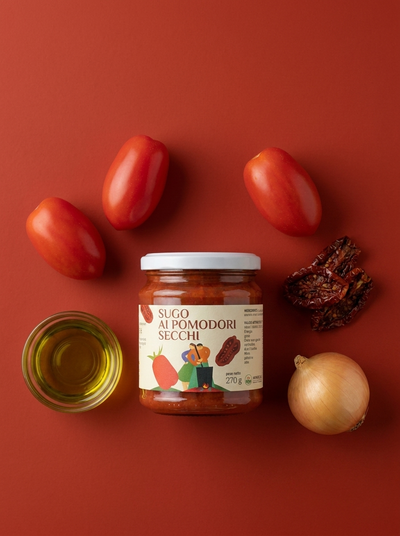
Puréed vegetables are natural creaminess with built-in flavour: a few spoonfuls of pumpkin crema loosened with pasta water become a silky autumn sauce in two minutes (a veil of sage butter on top and you’re in restaurant territory). The same works with puréed white beans (Pasta e Fagioli logic), peas or roasted cauliflower. For the red version: sun-dried-tomato paté plus ricotta plus pasta water—the fastest pesto rosso on earth.
Technique 4: The yolk principle (the Carbonara family)
Egg yolks set into a velvety sauce at 65–70 °C instead of scrambling—if the temperature is right. Whisk yolks with grated cheese, pull the pan with the hot pasta off the heat, wait 30 seconds, then fold in the yolk-cheese mix and loosen with pasta water to the desired consistency. After three practice runs you’ll own Carbonara forever—and a technique that works with zucchini, mushrooms or asparagus.
Technique 5: The butter finish (the pro polish)
The restaurant standard: a cold knob of butter whisked into the finished, no-longer-boiling sauce—it binds, shines and rounds off acidity. In tomato sauces a single cube transforms the texture. The butter must be cold and you stir until it disappears.
The cheat sheet
- Sauce too thin? → toss, don’t reduce (emulsion needs movement)
- Sauce too thick? → pasta water, one spoon at a time
- Cheese clumping? → too hot; next time pull the pan off the burner
- Tastes flat? → butter finish or a spoonful of paté
See all five techniques in action in the 12 pasta classics.
Frequently asked questions
Does the emulsion work with gluten-free pasta?
Yes—corn and rice pastas actually release plenty of starch. Whole-grain versions emulsify a little less, so plan on a touch more cheese or butter.
Why does my “cream” set when it sits?
Starch emulsions tighten as they cool—another reason Italians serve pasta immediately. To reheat, add a splash of water and toss again.
Which technique should beginners start with?
The pasta-water emulsion (Technique 1)—it works in every dish and almost never fails. Save the yolk principle for last.