
Cilento National Park Region: Everything You Need to Know
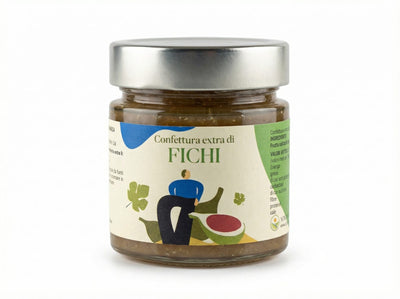
 | From our selection Fig JamHandmade, no preservatives. € 7,90 Discover → |
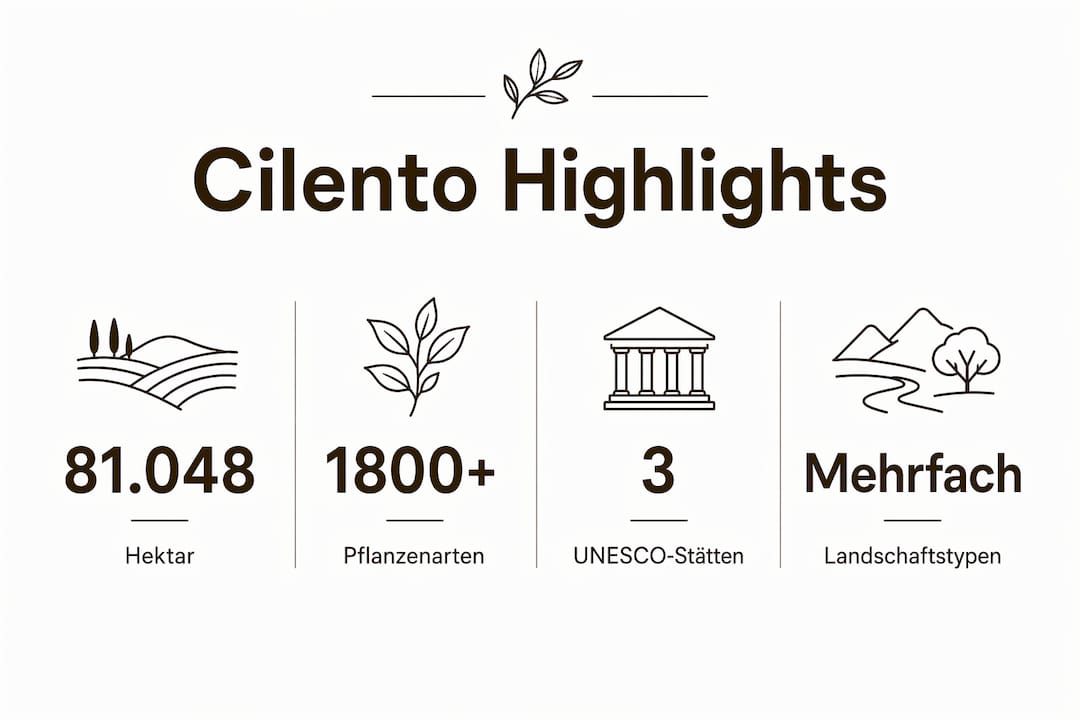
The Cilento National Park is a protected natural area in southern Italy, recognised as Italy’s second-largest national park, covering 81,048 hectares and officially established in 1991. Its full name is Parco Nazionale del Cilento, Vallo di Diano e Alburni. UNESCO inscribed it as a World Heritage Site in 1998 and simultaneously designated it a Biosphere Reserve. Travellers who set out to explore the Cilento National Park region will find a rare blend of untouched nature, ancient ruins and a way of life that, elsewhere in southern Italy, has long since surrendered to mass tourism.
What is the Cilento National Park region?
Parco Nazionale del Cilento, Vallo di Diano e Alburni lies in the province of Salerno, Campania, in the south-western corner of the Italian peninsula. The protected area stretches from the Tyrrhenian coast in the west to the Apennine foothills in the east, embracing an extraordinary variety of landscapes. Sandy beaches, wooded hills, high-mountain terrain and deeply carved river valleys alternate within a few kilometres.
UNESCO recognition since 1998 as both World Heritage and Biosphere Reserve underlines that the park is exceptional not only ecologically but also culturally. In other words, its protected status safeguards both nature and human history, making Cilento one of the very few places on earth where both categories are honoured simultaneously.
| Feature | Details |
|---|---|
| Official name | Parco Nazionale del Cilento, Vallo di Diano e Alburni |
| Area | 81,048 hectares |
| Established | 1991 |
| UNESCO status | World Heritage and Biosphere Reserve since 1998 |
| Location | Province of Salerno, Campania, southern Italy |
| Coastline | Tyrrhenian Sea to the west |
The park’s size is hard to grasp until you cross it. From the coastal town of Palinuro to the hill village of Teggiano is roughly 60 km as the crow flies, and along the way the landscape changes completely several times. This very diversity is why Cilento National Park information is so sought-after by travellers looking for more than just a beach.
What natural diversity does the Cilento National Park offer?
Nature in the Cilento National Park ranks among the richest in Italy. The flora includes around 1,800 plant species, among them the rare Primula di Palinuro—an unofficial emblem of the park that grows only on the limestone cliffs of the Cilento coast. Such endemism highlights how isolated and pristine these ecosystems remain.
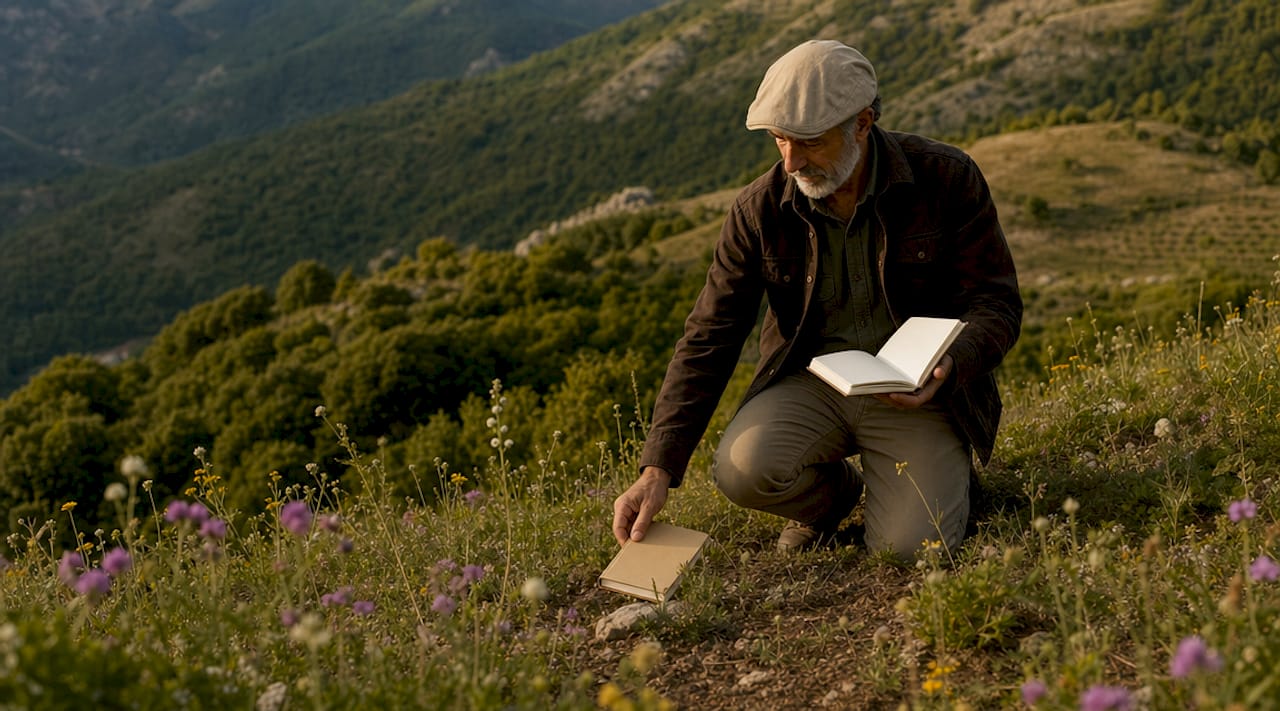
The fauna is equally impressive. The park provides habitat for wildcats, wolves, golden eagles, otters and salamanders—species long vanished from much of Europe. The presence of wolves and eagles signals intact food chains and landscapes the human footprint has not yet reached.
Cilento’s landscapes can be grouped into four broad types:
- Coast and marine areas: sandy beaches, sheer cliffs and sea caves between Agropoli and Sapri
- Macchia mediterranea: dense shrubland of rosemary, myrtle and strawberry trees on the hills
- Chestnut and beech forests: in the higher Apennine zones, especially around Monte Cervati (1,899 m)
- Karst caves and gorges: the Grotte di Castelcivita and the Gole del Calore count among Italy’s most spectacular natural formations
Did you know? Monte Cervati, at 1,899 m, is the highest peak in Cilento and, on a clear day, offers panoramic views as far as the Sicilian coast.
The variety—from coastline to mountains to river gorges—makes the park irresistible to nature lovers, hikers and photographers alike. A visit to the Grotte di Castelcivita reveals one of Italy’s longest cave systems, with stalactites and subterranean rivers stretching for kilometres.
What sights does the Cilento region offer?
Cilento’s attractions are not limited to nature. The park hosts some of southern Italy’s most important archaeological sites, and it is precisely this marriage of conservation and historical depth that sets Cilento apart from other national parks.
Paestum tops the list. The Greek colony of Poseidonia, founded in the 7th century BC, preserves three of the world’s best-preserved Doric temples. The Temple of Poseidon, the Temple of Hera and the so-called Temple of Ceres still stand in the open air, free of scaffolding or restoration tarpaulins. Paestum’s National Museum safeguards the famous frescoes from Lucanian tombs, including the “Diver of Paestum”, a unique testament to Greek painting.
| Site | Type | Highlight |
|---|---|---|
| Paestum | Archaeological zone | Three Doric temples, UNESCO World Heritage |
| Velia | Archaeological zone | Greek colony of Elea, birthplace of the Eleatic School |
| Certosa di Padula | Monastery complex | Largest Carthusian monastery in Italy, UNESCO World Heritage |
| Grotte di Castelcivita | Natural cave | Among Italy’s longest cave systems |
| Palinuro | Coastal town | Sea caves, nature reserve |
The Certosa di Padula in the Vallo di Diano is Italy’s largest Carthusian monastery and another UNESCO site. Its Baroque complex of 320 rooms, one of Europe’s largest cloisters and a kitchen where—legend has it—an omelette of a thousand eggs was once prepared for Emperor Charles V, makes history tangible.
Velia, the ancient Greek colony of Elea, is less famous than Paestum yet invaluable to philosophy lovers. Parmenides and Zeno, founders of the Eleatic School, taught here. Archaeological sites and cultural monuments intertwine with nature conservation in a way rarely found elsewhere in Europe.
Cilento vs. Amalfi Coast: what makes the region unique?
The comparison is clear-cut. Cilento is a quieter, more authentic alternative to the tourist-saturated Amalfi Coast, and you feel it immediately. In July on the Amalfi Coast you share Positano’s narrow lanes with thousands of day-trippers; in Cilento on a Tuesday in September you may have a beach to yourself.
The differences can be spelled out:
- Tourist density: The Amalfi Coast welcomes millions annually within a small area. Cilento spreads its visitors across 81,048 hectares.
- Price level: Restaurants, accommodation and parking in Cilento are markedly cheaper than on the Amalfi Coast—without any loss of quality.
- Landscape variety: The Amalfi Coast offers dramatic cliffs. Cilento offers cliffs, sandy beaches, mountain forests, caves, river gorges and ancient temples.
- Culinary authenticity: In Cilento, restaurants still cook from family recipes passed down for generations. The regional cuisine is considered one of the most genuine expressions of the Mediterranean diet.
- Accessibility: Both regions lie south of Naples, but Cilento is far more relaxed to drive than the winding Amalfi Coast.
Insider tip: If you already know the Amalfi Coast and want to experience “real” southern Italy, visit Cilento in May or October. Temperatures are pleasant, beaches are empty and the hill villages reveal their most authentic side.
Cilento as an unspoilt alternative to mass tourism is no longer a secret, yet it is still far from overrun. That makes it attractive to travellers who value authenticity over convenience.
Practical tips for a trip to the Cilento National Park
A successful visit to the Cilento National Park calls for good planning: the park is vast and infrastructure beyond the coastal towns is sparse. The following recommendations will help you make the most of your stay.
Best times to visit:
- May and June: wildflowers in bloom, temperatures between 20 and 26 °C, beaches still quiet
- September and October: off-season calm even at popular coastal spots like Palinuro; sea temperatures still pleasant
- July and August: high season with the warmest weather; coastal towns livelier yet still quieter than the Amalfi Coast
Getting around:
A hire car is advisable for remote inland areas, as public transport is limited. To visit the Gole del Calore, for instance, you will need your own vehicle; Felitto makes an ideal base for the gorge. Coastal towns such as Agropoli, Palinuro and Santa Maria di Castellbates can be reached by bus, but the hinterland only truly opens up by car.
Activities in Cilento at a glance:
- Hiking the Sentiero degli Dei or trails around Monte Cervati
- Snorkelling and diving in the sea caves off Palinuro
- Guided tours of the Grotte di Castelcivita
- Day trip to Paestum for the Greek temples
- Kayaking on the Calore river through the Gole del Calore
Insider tip: Combine coastal stays with hikes and visits to ancient sites to unlock the region’s full potential. Allow at least seven days to experience both coast and hinterland.
If you’d like to sample typical Cilento products, local markets in Agropoli, Vallo della Lucania and Sapri offer fresh olives, cold-pressed oils, buffalo mozzarella and sun-dried figs that taste like nowhere else.
Key takeaways
Across 81,048 hectares, the Cilento National Park unites UNESCO World Heritage status, extraordinary biodiversity and ancient sites, making it one of southern Italy’s most versatile destinations.
| Point | Details |
|---|---|
| Size and status | At 81,048 ha, Cilento is Italy’s second-largest national park and a UNESCO World Heritage Site since 1998. |
| Biodiversity | Around 1,800 plant species and rare fauna such as wolves and golden eagles underline its ecological importance. |
| Cultural heritage | Paestum, Velia and the Certosa di Padula make the park an archaeological treasure trove. |
| Travel alternative | Cilento offers the beauty of southern Italy without the tourist density of the Amalfi Coast. |
| Best time to visit | September and October combine pleasant temperatures with quiet experiences outside peak season. |
My take: Cilento deserves more attention
by carmine
I have experienced Cilento in every season, and the shoulder months have impressed me most. In October, once the summer crowds have gone, the coast between Palinuro and Marina di Camerota belongs almost exclusively to locals. Fishermen mend their nets on the sand, bars close at 10 p.m., and the silence is so complete you can hear the sea from afar.
What continually surprises me: most travellers I meet in Cilento are not first-timers to Italy. They know the Amalfi Coast, Sicily, Tuscany. They come to Cilento because they are looking for something those places no longer offer—the feeling of arriving somewhere not yet fully optimised for tourism.
My concrete advice: spend at least two nights inland, not just on the coast. A hill village like Castellabate or Stio reveals an Italy no guidebook can fully describe. The combination of hill village and coast, of ancient temples and natural caves, is what truly defines Cilento. See only the beaches and you’ve missed half the story.
— carmine
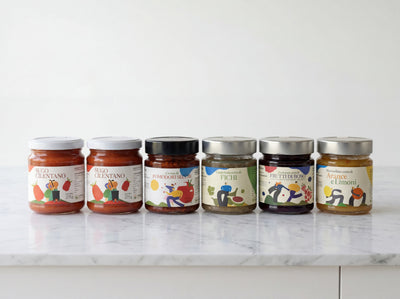
Cilento specialities from Minnelea: a taste of the region
Cilento tastes of sun-dried tomatoes mellowing in cold-pressed olive oil, of aubergines cured in salt and oil, of tomato sauces simmered to family recipes. At Minnelea we bring these very flavours straight from Cilento to your table.
Our aubergines sott’olio are crafted in small batches by traditional methods and embody the region’s character—intense, aromatic, uncompromising on quality. The sun-dried tomatoes in extra-virgin olive oil and the traditional Cilento tomato sauce complete the range for anyone who wants to bring the taste of Cilento home. If you have yet to visit the park, these jars offer a first—and very convincing—preview.
FAQ
What is the Cilento National Park?
Parco Nazionale del Cilento, Vallo di Diano e Alburni is Italy’s second-largest national park at 81,048 hectares, established in 1991 in the province of Salerno, Campania. Since 1998 it has held UNESCO status as both World Heritage Site and Biosphere Reserve.
What are the main sights in Cilento?
Highlights include the Greek temples of Paestum, the ancient colony of Velia, the Certosa di Padula, the Grotte di Castelcivita and the Gole del Calore. The park uniquely combines archaeological sites with remarkable natural features.
When is the best time to visit Cilento?
September and October are ideal: pleasant temperatures, warm seas and far fewer visitors than in high season. May and June offer blooming landscapes and quiet beaches.
Do I need a car for the Cilento National Park?
For coastal towns a car is not essential, but for the hinterland and remote natural sites such as the Gole del Calore a hire car is indispensable, as public transport is very limited.
How does Cilento differ from the Amalfi Coast?
Cilento offers a quieter, more authentic atmosphere, greater landscape variety and lower prices. The Amalfi Coast is spectacular but heavily touristed; Cilento preserves the character of the original southern Italy.