
The Taste of Extra Virgin Olive Oil: Everything You Need to Know
Extra virgin olive oil is prized all over the world for its unique character. Its flavour depends on several factors, above all the olive variety, the extraction method and the way it is stored. In this article we look at the different nuances of flavour and what makes it unmistakable.
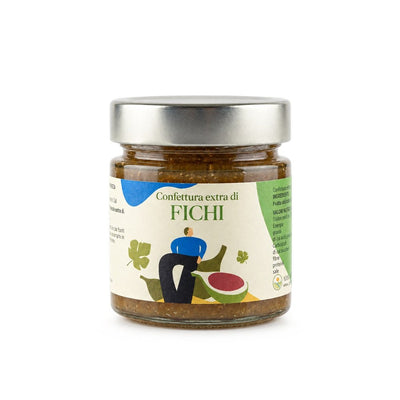
 | From our range Fig jamHandmade, no preservatives. € 7,90 Discover → |
Olive variety and flavour
The olive variety strongly shapes the flavour of the oil. Each oil made from a specific variety has its own character, with more or less bitter or mild notes depending on the olive used.
Cold extraction and flavour
The extraction method is decisive. Cold extraction preserves the aromas and flavours of the oil best. The result is an oil with a less aggressive but balanced taste, in which bitter and slightly acidic notes remain.
When the label can't be trusted, your nose isn't enough: how to spot fake extra virgin olive oil explains what acidity to expect.
The right balance between bitterness and taste
A good olive oil shows a balance between different sensations, such as bitterness and acidity. When that balance is right, the oil is fragrant and harmonious and stands clearly apart from poor-quality oils.
Ripeness and flavour
How ripe the olives are at harvest affects the taste. Unripe olives give a more bitter oil, riper olives a milder, more delicate one. A poor-quality oil, on the other hand, often comes from damaged olives or olives left too long before processing.
Quality and flavour
Recognising the quality of an extra virgin olive oil is the first step to appreciating its flavour. A genuine extra virgin oil tastes balanced: bitterness and fruit blend harmoniously with the other aromas. A top-quality oil is 100% extra virgin olive oil, never blended with inferior oils.
Fruitiness in olive oil
Fruitiness is an important flavour attribute. It describes the fresh, aromatic taste of green or ripe olives that marks a good oil. How intense it is depends on the variety (cultivar), the growing area and the conditions of harvest and processing.
Why the harvest matters
The harvest is a crucial moment. Olives picked at the right time, green or just starting to ripen, give a balanced, aromatic oil. Hand-picking deserves special attention: it protects the fruit and preserves its sensory qualities.
How to choose a good extra virgin olive oil
A few things help. First, read the label: category, origin of the olives and harvest date. Then taste the oil to judge its flavour and the balance between bitterness and fruit. Finally, an oil from hand-picked olives pressed within hours of the harvest is the best choice for a fresh, aromatic product.
Cold extraction: how it works
In cold extraction the oil is obtained purely mechanically at no more than 27 °C. This preserves the sensory qualities and limits oxidation. The result is a balanced oil, less punchy but rich in aroma.
How olive oil is made
Making olive oil takes careful selection of the olives, a harvest at the right moment and an extraction that preserves the qualities of the fruit. One litre of oil can take up to 7 kg of olives. The olives are crushed, the paste is separated and then centrifuged to obtain pure oil. Quality depends on the processing and on storage.
Balance of flavour
Extra virgin olive oil lives on the interplay of sensations. Bitterness, typical of an oil rich in polyphenols, meets the fruitiness of the olives in a harmony that is pleasant on the palate. A balanced oil is a sign of high quality.
The extra virgin olive oil market
The market has become more sophisticated in recent years, with growing attention to quality and origin. Consumers are better informed and look for oils with a character of their own. Producers have answered with a wide range, each oil reflecting its variety, its growing area and its production method.
100% extra virgin olive oil
It contains only oil obtained from olives and is not blended with other oils such as seed oil. That guarantees a high-quality product with an authentic taste that reflects the olives and how they were processed. Choosing 100% extra virgin olive oil means bringing an authentic product to the table.
Storage and shelf life
Proper storage keeps the oil's qualities intact. Keep it somewhere cool and dark, in a dark glass bottle or a tin. Once opened, it is best used within 12 to 18 months, while it is still fresh and full of flavour.
The role of polyphenols
Polyphenols are natural compounds in extra virgin olive oil that give it its bitterness and pungency. They slow down the oil's oxidation and keep it fresh for longer. An oil rich in polyphenols has a particularly distinctive flavour.
How to taste olive oil
To appreciate the flavour fully, taste the oil properly: at room temperature, a small amount in a glass, first looking at its colour, aroma and texture. Then taste it straight from the glass or on simple foods such as bread or salad.
Pairing olive oil with food
Extra virgin olive oil goes with a huge range of foods and lifts their flavour. Classic pairings are bread, salads, fish, meat and vegetables. The best approach is to experiment and find the combinations that suit your taste and your oil.
Our products made with extra virgin olive oil
In our artisan preserves, extra virgin olive oil plays the leading role. It is the easiest way to bring its flavour to the table every day:
- Sun-dried tomatoes in extra virgin olive oil (7,90 €) — sun-dried tomatoes preserved in extra virgin olive oil
- Aubergines in extra virgin olive oil (7,90 €) — preserved the southern Italian way
- Peppers in extra virgin olive oil (7,90 €) — sweet peppers in extra virgin olive oil
To try all our savoury flavours, there is the Savoury Welcome Kit (€40.00) with 6 artisan jars. Or explore the whole in-oil collection.
Flavour is a key element of an olive oil's quality and value. Knowing the olive varieties, the extraction process and the sensory qualities of the oil helps you appreciate it and choose a high-quality product. And don't forget: store it properly and taste it the right way to enjoy its flavour to the full.