
What Is Cilento Cuisine? Tradition, Ingredients & Signature Dishes
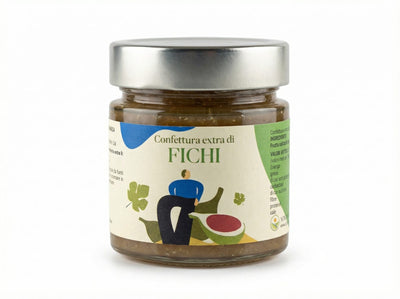
 | From our selection Fig JamHandmade, no preservatives. € 7,90 Discover → |
Cilento cuisine is a traditional Mediterranean way of eating that gathers simple, natural and seasonal ingredients from the Parco Nazionale del Cilento and turns them into signature dishes such as Pizza Cilentana, Lagane e Ceci and Alici di Menaica. It is firmly rooted in the Mediterranean diet, recognised by UNESCO in 2010 as Intangible Cultural Heritage. This is no coincidence: Cilento is considered the birthplace of the Mediterranean diet, and its cuisine embodies its principles with a purity rarely found elsewhere in Italy. To understand what Cilento cuisine is, you must embrace a philosophy of subtraction, freshness and deep connection to both land and community.
What is Cilento cuisine and what makes it unique?
Cilento cuisine is defined by its unwavering use of local, seasonal ingredients drawn from one of southern Italy’s most biodiverse natural areas. The Parco Nazionale del Cilento, stretching across 81,048 hectares and a UNESCO World Heritage site since 1998, forms the natural backdrop to every dish. This geography means that cooks and home-makers have, for generations, drawn from an extraordinary larder of wild herbs, seafood, pulses and olive oil. The cooking style is deliberately minimalist and aromatic, designed to let the freshness and purity of each ingredient speak for itself—unlike the often robust Neapolitan kitchen.
What sets Cilento cuisine apart from other southern-Italian traditions is its duality: it marries the flavours of the sea with the earthy notes of the hills. Tyrrhenian seafood meets chestnuts, chickpeas and goat’s cheese from the park’s uplands. This pairing is not merely culinary; it is cultural, reflecting centuries of exchange between fishermen and farmers who cooked together and shared their produce.
Which ingredients shape Cilento cuisine?
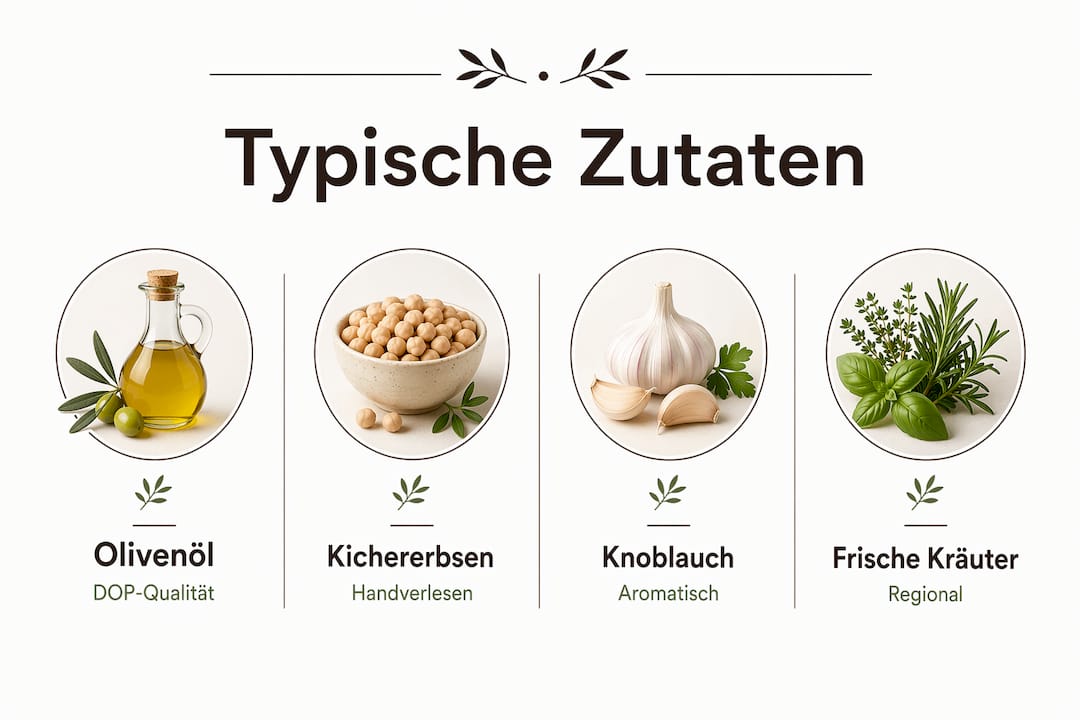
The ingredients of Cilento tell the story of its landscape. Each one has a provenance, a season and a purpose that go far beyond flavour. Knowing the typical Cilento products instantly reveals why this cuisine is so distinctive.
The key ingredients at a glance:
- Extra-virgin olive oil DOP: the backbone of every dish. Cilento oil has a fruity, gently bitter profile that brings sauces and antipasti to life.
- Alici di Menaica: anchovies caught with an ancient Greek net technique. Their flavour is more intense and saltier than industrially caught fish.
- Chickpeas and chestnuts: staples of the mountain kitchen, giving dishes such as Lagane e Ceci their satisfying depth.
- Fiano and Aglianico grapes: local varieties that shape both the region’s wines and its aromatic identity.
- Goat’s cheese: from the hills, mild and creamy, often used as a topping or filling.
- Chestnut honey: intensely aromatic and slightly bitter, a signature product of Cilento’s mountain woods.
Sustainable, traditional production is not a trend here; it is everyday practice. Local producers have worked the same way for generations, and close collaboration with them is a cornerstone of authentic Cilento cuisine.
Pro tip: Always choose Cilento olive oil with DOP certification. The seal guarantees that the olives come from the region and are pressed using traditional methods—the difference in flavour is immediate.
Which dishes are typical of Cilento cuisine?
Iconic dishes include Pizza Cilentana, Lagane e Ceci and Paccheri allo scoglio, all based on produce from both sea and hills. These are not mere variations of better-known classics; they are original creations with a clear regional identity.
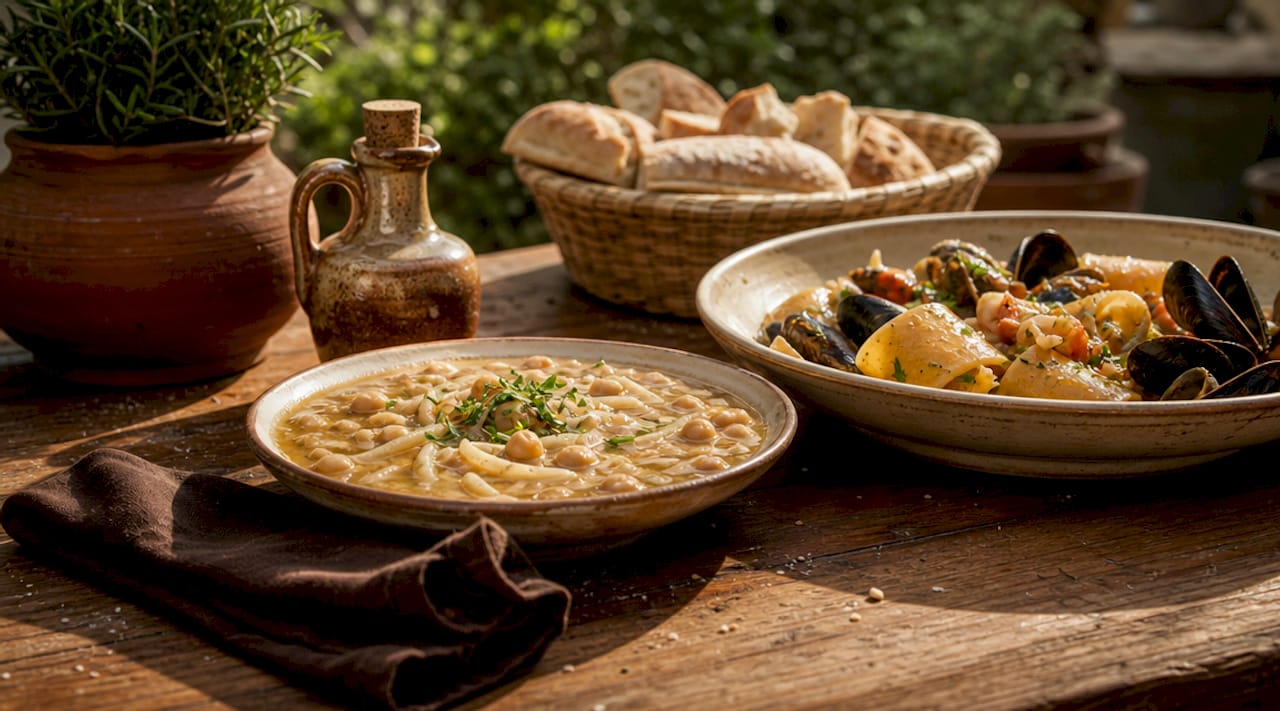
Lagane e Ceci is perhaps the most representative dish. The classic recipe calls for 300 g durum-wheat flour, 150 ml water and 300 g dried chickpeas. The hand-rolled pasta is united with a chickpea broth scented with garlic, rosemary and generous olive oil. No Parmesan, no cream, no distraction from the essentials.
| Dish | Main ingredients | Distinctive trait |
|---|---|---|
| Lagane e Ceci | Durum-wheat flour, chickpeas, garlic | Hand-rolled pasta, no tomato sauce |
| Pizza Cilentana | Goat’s cheese, basil, olive oil | Less tomato than Neapolitan pizza |
| Paccheri allo scoglio | Seafood, garlic, parsley | Fresh catch, minimal sauce |
| Melanzane al funghetto bianche | Aubergine, garlic, basil | Deliberately tomato-free |
Cilento cuisine diverges from its Neapolitan neighbour by avoiding heavy tomato sauces. Instead, garlic, chilli and basil take centre stage. This is especially evident in Melanzane al funghetto bianche, which omits tomatoes entirely to let the pure flavour of aubergine shine. The result is a dish whose simplicity surprises and convinces.
Pro tip: When making Lagane e Ceci, soak the chickpeas overnight and cook them slowly the next day. The cooking liquid becomes the base of the sauce and carries more flavour than any stock cube ever could.
How do sustainability and traditional fishing fit in?
The Menaica fishing technique is practised only in Cilento and is a Slow Food Presidium. This recognition underlines that it is not merely a fishing method but a cultural heritage that must be actively safeguarded.
How Menaica works:
- Fishermen set out at night in small boats and deploy fine-mesh nets designed specifically for anchovies.
- The mesh size allows only mature fish to be caught; juveniles escape unharmed.
- On board, the anchovies are immediately cleaned and washed in seawater.
- Back on land they are layered in salt and left to mature for several months, yielding a product of exceptional intensity and complexity.
“Alici di Menaica are hand-caught using an ancient Greek net technique that safeguards sustainability and quality, forming the basis of countless traditional recipes.”
The sustainable Menaica method embodies a union of tradition, environmental stewardship and culinary pleasure—values central to the identity and preservation of Cilento cuisine. Tourist experiences such as going out with local fishermen help keep the practice alive and introduce a new generation of food lovers to its story. Those seeking culinary travel in the region will find a perfect starting point on gourmet food tours in Italy.
What cooking tricks define Cilento cuisine?
Cilento’s cooking philosophy can be summed up in one sentence: freshness beats technique. Dishes such as Spaghetti alla Carmelo succeed thanks to pristine seafood and a deliberate blend of oils for optimal flavour release. A mix of olive and sunflower oil allows controlled heat without masking aromas: the olive oil brings flavour, the sunflower oil stabilises temperature.
More Cilento kitchen secrets:
- Salt after roasting: In Melanzane al funghetto bianche, salt is added only after the aubergine is seared. This preserves aromas and prevents oxidation or colour loss.
- Tear basil by hand: Fresh basil is gently torn, never cut with a knife, to avoid oxidation and retain the leaf’s essential oils.
- Minimal sauces: Pasta sauces are deliberately restrained. Two or three ingredients, good oil and fresh herbs are all that is required.
- Speed as a quality marker: The rapid cooking of dishes like Spaghetti alla Carmelo reflects the premium placed on freshness and ingredient quality.
Pro tip: When preparing Paccheri allo scoglio, finish the pasta in the pan with the sauce for the last two minutes. The noodles absorb the sea’s aromas and the sauce emulsifies perfectly.
The regional recipes of southern Italy show that these techniques are not secrets but knowledge waiting to be shared.
How does Cilento cuisine reflect culture and community?
Cilento cuisine is more than sustenance; it is a social ritual that binds generations and shapes regional identity. Nowhere is this clearer than with Cuccìa, a traditional communal dish of 13 pulses eaten together at festivals. The number 13 is deliberate: it symbolises completeness and agricultural abundance, each pulse representing a facet of local farming.
Cultural dimensions of Cilento cuisine include:
- Festive dishes as communal ritual: Cuccìa is never eaten alone. Its preparation is a collective act where families and neighbours gather, each contributing a part.
- Historic ties to Lucania: Cilento’s kitchen carries influences from neighbouring Lucania, seen in the use of pulses and dried pasta shapes.
- Seasonal and religious integration: Many dishes are tied to specific seasons or religious feasts—chestnut dishes in autumn, seafood during Lent.
- Gastronomy as identity: Local restaurants and agriturismi see themselves as guardians of tradition, serving recipes unchanged for centuries rather than fusion experiments.
The history of Cilento cuisine is inseparable from the history of its people. When you taste a dish from this region, you join a conversation that began long before us and will continue long after.
Key takeaways
Cilento cuisine is the purest expression of the Mediterranean diet: minimalist, seasonal, deeply rooted in landscape and community, and unmistakable in flavour and philosophy.
| Point | Details |
|---|---|
| UNESCO heritage as foundation | The Mediterranean diet has been UNESCO-listed since 2010, with Cilento as its birthplace. |
| Ingredients tell provenance | DOP olive oil, Alici di Menaica and chickpeas define the region’s aromatic character. |
| Minimalism as strength | Few, fresh ingredients and a conscious reduction of tomato set Cilento apart from Naples. |
| Sustainability as tradition | The Menaica fishing technique is a Slow Food Presidium and a model for sustainable seafood. |
| Community as recipe | Dishes like Cuccìa are social rituals that keep regional culture and identity alive. |
Why Cilento cuisine never lets me go
I have explored many Mediterranean kitchens, yet Cilento cuisine surprised me in a way I did not expect—not through complexity, but through courage in simplicity. The first time I ate Lagane e Ceci in a tiny trattoria in Vallo della Lucania, I thought: how can something with so few ingredients taste so profound?
The answer lies in the quality of the raw materials and the patience of the preparation. Chickpeas soaked overnight and simmered for hours develop a creamy texture and nutty flavour that need no sauce. The olive oil poured generously at the end is not fat but a flavour carrier that binds the whole dish.
What fascinates me most is its honesty. Nothing is hidden; every ingredient is visible, every flavour identifiable. That takes courage, because there is no sauce to hide behind. Cook with poor ingredients and you will know at once. Cook with excellent ones and you need nothing more.
My advice to anyone wanting to discover this cuisine: start with the ingredients, not the recipes. Buy the best olive oil you can find. Source dried chickpeas from Cilento. The rest will follow naturally.
— carmine
Discover Cilento specialities from Minnelea
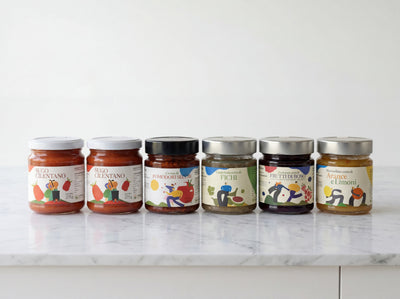
To experience Cilento cuisine at home, you need the right ingredients. Minnelea brings the artisan quality of Cilento straight to your kitchen: from aubergines sott’olio in extra-virgin olive oil, prepared by traditional methods, to handcrafted confetture made from regional fruit that capture the aromatic richness of the land in every jar.

Every Minnelea product is made in small batches with select ingredients from Cilento. Close collaboration with local growers and respect for seasonality are not marketing slogans but the foundation of every recipe. Begin your journey with sun-dried tomatoes in extra-virgin olive oil and step into the world of Cilento’s regional specialities.
FAQ
What is Cilento cuisine in a nutshell?
Cilento cuisine is a traditional Mediterranean food culture from the Parco Nazionale del Cilento in southern Italy, based on simple, seasonal and local ingredients. It is the original Mediterranean diet, recognised by UNESCO as Intangible Cultural Heritage since 2010.
Which dishes are typical of Cilento?
Signature dishes include Lagane e Ceci, Pizza Cilentana with goat’s cheese, Paccheri allo scoglio and Melanzane al funghetto bianche. They are characterised by few, fresh ingredients and a deliberate avoidance of heavy tomato sauces.
What are Alici di Menaica?
Alici di Menaica are anchovies caught with an ancient Greek net technique still practised only in Cilento. The method is a Slow Food Presidium and a model for sustainable fishing, as only mature fish are harvested.
How does Cilento cuisine differ from Neapolitan?
Cilento cuisine uses fewer tomatoes and lighter sauces, highlighting garlic, chilli, basil and the purity of each ingredient. Neapolitan cooking is known for tomato-rich sauces and bold flavours, whereas Cilento is more minimalist and delicately aromatic.
Which ingredients do I need for a typical Cilento recipe?
For Lagane e Ceci you need 300 g durum-wheat flour, 150 ml water and 300 g dried chickpeas, plus extra-virgin olive oil, garlic and rosemary. These six ingredients are enough to create one of the region’s most emblematic dishes.
Recommendations
- Typical Cilento Products: The Gourmet Guide – Azienda Agricola Minnelea
- Cilento Tomato Sauce · Traditional Recipe · Minnelea – Azienda Agricola Minnelea
- Regional Recipes from Southern Italy: Highlights for Gourmet Chefs – Azienda Agricola Minnelea
- What Are Zucchini sott’olio? Tradition and Preparation – Azienda Agricola Minnelea