
Why Cilento Products Are Truly Special
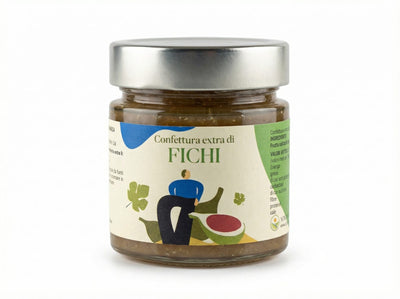
 | From our selection Fig JamHandmade, no preservatives. € 7,90 Discover → |
Cilento products are defined by the interplay of a protected national park, seasonal hand-craftsmanship, and the timeless principles of the Mediterranean diet. Together these three pillars create a quality that sets the region apart from every other Italian gourmet destination. To understand why Cilento products are special, you first have to understand the place itself: a UNESCO World Heritage landscape stretching from the Tyrrhenian Sea to centuries-old olive groves and mountain forests. Brands like Minnelea translate these deep regional roots into small-batch delicacies that give German gourmets a taste of authentic provenance.
1. Origin & Protected Status: The First Reason Cilento Products Are Special
Parco Nazionale del Cilento is a UNESCO World Heritage Site that shelters one of southern Italy’s richest and most untouched ecosystems. This is not a tourism slogan—it is a legal framework that blocks intensive farming, industrial development and unchecked construction. For food, that means uncontaminated soils, clean air and raw materials grown under conditions long lost in most of Europe.
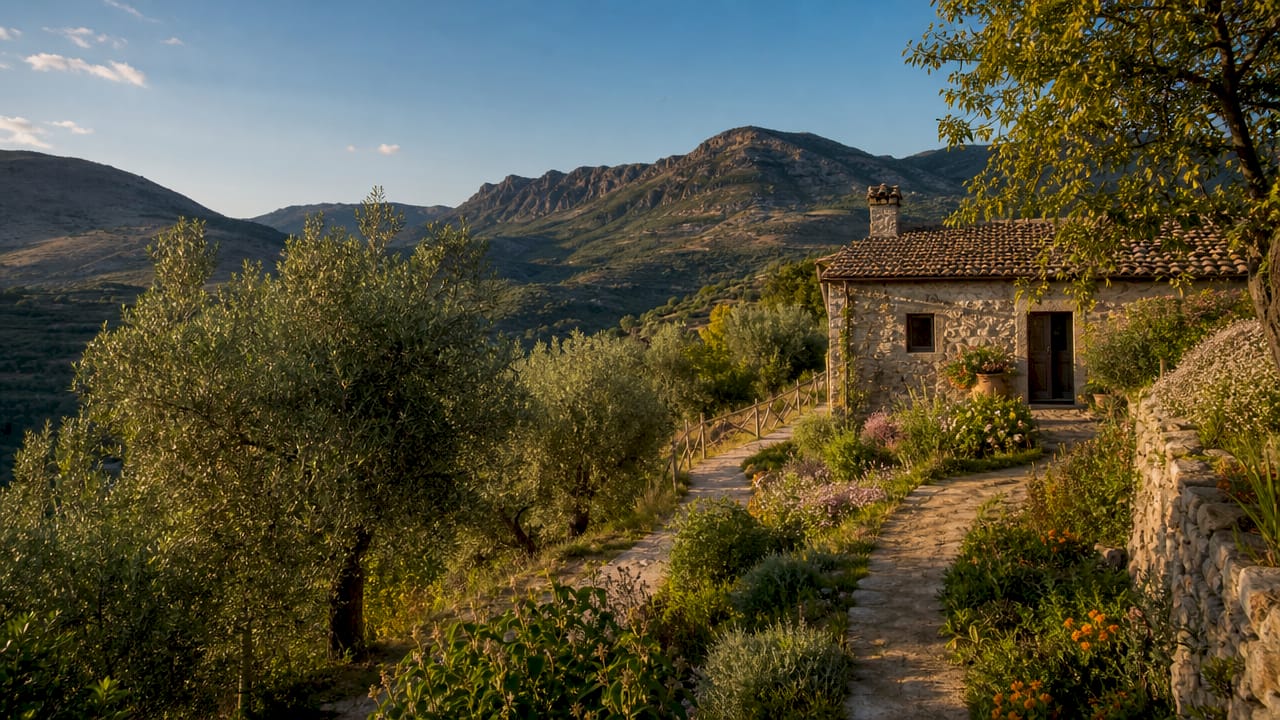
The terrain rises from the coast to olive terraces and up to wooded ridges above 1,700 m, all within a few kilometres. This compressed geography creates astonishing flavour diversity: olive oil from sea-level groves tastes different from that of the high slopes, and those nuances are what make Cilento’s pantry so compelling for connoisseurs.
Low-impact tourism is another decisive factor. Because the region is spared mass visitors, local foods remain seasonal and traditional methods survive. While the Amalfi Coast caters to millions, Cilento producers still work for village markets and loyal regulars, not for quick turnover.
Insider tip: Look for origin labels that name the National Park or specific villages such as Vallo della Lucania or Pisciotta. Geographic precision is a reliable quality signal.
Learn more about the protected landscapes that make this natural pantry possible.
2. Olive Oil, Anchovies & Buffalo Mozzarella: The Core Ingredients of Cilento
Cilento’s uniqueness rests on a handful of signature ingredients that simply do not occur together anywhere else in Italy:
- Extra-virgin olive oil: Cilento oils are prized for low acidity and a fresh, gently bitter profile. The dominant cultivars—Rotondella and Pisciottana—grow on centuries-old trees that need no intensive care and naturally yield small harvests.
- Alici di Menaica: These hand-caught anchovies from the village of Pisciotta are among Italy’s rarest delicacies. Fished at night with the traditional Menaica net that selects only mature specimens, they are salt-cured immediately. The result is less metallic, more nutty and complex than any industrial anchovy.
- Buffalo mozzarella & Mozzarella nella murtedda: Fresh buffalo mozzarella from the area is loved for its creamy texture and faintly tangy finish. Mozzarella nella murtedda is rested on fresh myrtle branches that lend a subtle resinous aroma—rural simplicity elevated to gastronomic finesse.
- Figs & pulses: The white figs of Cilento—Fichi Bianchi del Cilento—carry an EU protected-origin mark. Halved, sun-dried and often stuffed with almonds or fennel seed, they marry sweetness and spice in a way industrial dried fruit never will.
- Vegetables sott’olio: Zucchini, aubergines, peppers and tomatoes are harvested at peak ripeness and preserved in extra-virgin olive oil. The oil does more than conserve; it absorbs the vegetables’ aromas and releases them the moment the jar is opened.
Explore typical Cilento products—olive oil, buffalo mozzarella and figs—that capture the region’s flavour and soul. These ingredients are not marketing inventions; they are the outcome of centuries of farming tuned to a specific climate and soil.
Insider tip: Store Cilento olive oil at room temperature and consume within 18 months of harvest. Fresh oil smells of freshly cut grass and green tomato; if that scent is missing, the oil is past its prime.
3. Mediterranean Diet & Traditional Processing: Guardians of Quality
The Mediterranean diet is more than a way of eating; it is the cultural bedrock on which Cilento foods are built. Cilento is one of the very regions where the American nutritionist Ancel Keys first studied this diet in the 1950s. The principles are clear: abundant fresh vegetables, fruit, olive oil and fish; minimal processed meat; and a cuisine anchored to seasonal produce.
The key processing principles that separate Cilento delicacies from industrial fare can be summed up in four steps:
- Seasonal harvest: Ingredients are processed only at peak ripeness. An August tomato ripened under the southern Italian sun contains more lycopene, more sugar and more acidity than any February greenhouse specimen.
- Minimal processing: Cilento products rely on olive oil, salt and heat for preservation—no additives, colourants or flavour enhancers required.
- Artisanal small batches: Small lots mean every ingredient is under the producer’s eye. A maker crafting 200 jars of tomato sauce can monitor each step; an industrial plant turning out 20,000 jars daily cannot.
- Generational knowledge: Recipes are passed down in families, not standardised in manuals. This knowledge includes when a fig is ripe enough, how long an anchovy must cure, and which olive cultivar best complements a given dish.
The 2025 UNESCO recognition of Italian cuisine as intangible world heritage underlines this cultural dimension. Tradition, respect for ingredients and community are measurable quality factors, not romantic ideals. The balance of tradition and technique is especially evident in preserved vegetables, where the ratio of salt, acidity and oil has been refined over decades.
4. Cilento in Comparison: How It Differs from Other Gourmet Regions
Cilento products stand in direct contrast to other celebrated Italian gourmet regions. The differences are geographical, structural and, above all, sensory.
| Feature | Cilento | Amalfi Coast | Tuscany |
|---|---|---|---|
| Tourism | Low, National Park | Very high, mass tourism | Medium to high |
| Processing | Artisanal, small batch | Mixed | Mixed to industrial |
| Protected status | UNESCO National Park | No protection zone | Partially protected |
| Signature products | Olive oil, anchovies, buffalo mozzarella | Limoncello, lemon products | Chianti, Pecorino, truffles |
| German awareness | Growing, niche | Very high | Very high |
| Price–quality ratio | Outstanding | Often tourist-inflated | Variable |
The Amalfi Coast produces superb citrus, but mass tourism puts local producers under price pressure and threatens authenticity. Tuscany offers world-famous Chianti and Pecorino, yet fame has driven industrialisation. Cilento is the insider tip: less known, but qualitatively equal or superior.
For German gourmets, the thrill lies precisely in this obscurity. When you serve Cilento olive oil or sun-dried tomatoes in olive oil, you are offering something most guests have never tasted—an experience Tuscan staples can no longer deliver after years on supermarket shelves.
Placing Cilento products in the wider context of Italian gourmet regions shows that Cilento possesses a distinct, non-overlapping flavour identity.
5. Why Cilento Products Are Especially Appealing to German Gourmet Lovers
German fine-food shoppers increasingly seek traceable provenance, artisanal craft and flavours that clearly rise above supermarket fare. Cilento meets all three criteria in a way few other Italian regions can match.
The market for authentic Italian delicacies in Germany is growing, and the focus is shifting from famous brands to regional specialties. Buyers in German delicatessens and concept stores are willing to pay more for products with a genuine story and verifiable quality. Cilento products speak directly to this audience.
Another attraction is versatility. Cilento olive oil works both as a finishing touch over burrata and as the base for marinades. The traditional tomato sauce from Cilento serves equally well as a quick pasta condiment or the foundation for slow-cooked dishes. Everyday usability combined with premium quality is rare in the gourmet world.
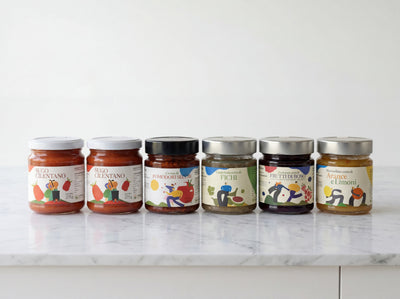
Minnelea translates these regional qualities into products designed for the German market: elegant packaging, clear origin statements and a range that runs from antipasti to confetture. That makes Cilento delicacies an inspired gift for wine lovers, hobby cooks and anyone who prizes real flavour.
6. Sustainability & Seasonal Craft as Hallmarks of Quality
In Cilento, sustainability is not a marketing strategy; it is an economic necessity. Small producers inside a national park cannot run intensive monocultures. They depend on healthy soils, clean water and intact ecosystems because their livelihoods do.
Seasonal craft shows in every detail. Olive oil is pressed only once a year, between October and December, when the fruit reaches perfect ripeness. Preserved vegetables are made in summer, when zucchini, aubergines and peppers are at their aromatic peak. Confetture are cooked from fruit that has never seen refrigeration or artificial ripening.
Mediterranean core ingredients—olive oil, vegetables, fish—shape the flavour profile of antipasti and delicacies more than any single spice. That means the finished product stands or falls on the quality of the raw material, not on flavour corrections by additives. This honesty toward the ingredient is the opposite of industrial food production.
7. How the Culture of cucina italiana Explains the Value of Cilento Products
UNESCO’s recognition of cucina italiana as intangible world heritage highlights three dimensions especially relevant to Cilento: inter-generational learning, respect for ingredients and the social role of shared meals. These are measurable quality factors, not sentimental extras.
In Cilento this means a grandmother teaching her granddaughter how to dry figs and stuff them with almonds is passing on more than a recipe. She is passing on knowledge of the exact ripeness, the correct drying time and the right storage. This knowledge is too subtle and context-dependent to be standardised in any industrial manual.
For gourmet lovers, buying a Cilento product means buying this knowledge. The flavour is the visible result of an invisible chain of experience, care and rootedness. That is the deepest reason why Cilento products are special—and why they cannot simply be replicated.
Key Takeaways
Cilento products are special because National Park protection, seasonal craft and Mediterranean dietary principles create a quality that industrial production structurally cannot match.
| Point | Details |
|---|---|
| Protected status as quality foundation | The UNESCO National Park prevents intensive farming and guarantees uncontaminated raw materials. |
| Seasonal small-batch production | Small lots at harvest time deliver maximum flavour intensity without preservatives. |
| Unique signature ingredients | Alici di Menaica, Mozzarella nella murtedda and Fichi Bianchi del Cilento are regionally unmistakable. |
| Cultural heritage as quality dimension | UNESCO recognition of cucina italiana confirms tradition and respect for ingredients as measurable quality factors. |
| Advantage for German gourmet lovers | Cilento offers premium quality with genuine provenance in a segment not yet dominated by mass-market goods. |
What Truly Fascinates Me About Cilento Products
By carmine
I have explored many Italian gourmet regions, from Tuscany to Sicily, and everywhere you find excellent products. Yet Cilento surprised me in a way I did not expect. It is not the fame that impresses; it is the absence of it.
What fascinates me most is that Cilento producers do not optimise for an international audience. They make their foods the way they always have because it is the only method they know and respect. You can taste it. A jar of preserved zucchini from Cilento smells of summer, of olive oil and fresh vegetables the moment you open it. That is no accident; it is the result of decades of artisanal practice.
I believe many German gourmet lovers still have no idea what Cilento has to offer. The Amalfi Coast is famous, Tuscany is famous, but Cilento is where real southern Italian cuisine is still alive, unchanged and unfiltered. Once you have poured Cilento olive oil over fresh burrata, you immediately understand why this region is special. The oil sings on the cheese—it complements and lifts without ever dominating.
My advice: start with a product you know well, perhaps tomato sauce or preserved aubergines, and compare it directly with what you have bought before. The difference will convince you more than any description can.
— carmine
Discover Cilento Delicacies by Minnelea
Minnelea brings the finest Cilento products straight to German gourmet lovers. Every item is crafted in small batches from carefully selected ingredients grown inside Parco Nazionale del Cilento—from artisanal antipasti in extra-virgin olive oil to fragrant confetture made with local fruit.

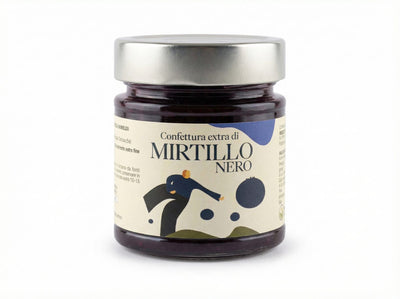
The confetture collection includes fig, bergamot and lemon, all without preservatives and with a fruit content that makes the difference from industrial jams instantly obvious. Anyone looking for an entry point into Cilento delicacies will find it in hand-crafted aubergines in olive oil, a single jar that captures the essence of the region. Minnelea is the address for anyone seeking true flavour from southern Italy.
FAQ
What makes Cilento products qualitatively special?
They are created inside a UNESCO-protected National Park with uncontaminated soils, seasonal hand-craft and zero industrial additives. This combination of origin, method and raw-material quality is structurally irreproducible.
Which typical products come from Cilento?
The best-known Cilento specialties include extra-virgin olive oil, buffalo mozzarella, Alici di Menaica, Fichi Bianchi del Cilento and vegetables sott’olio.
Why are Cilento products better than those from the Amalfi Coast?
Cilento is far less touristy, so local producers work for quality rather than volume. That preserves traditional methods and seasonal raw materials.
Is Italian cuisine really UNESCO World Heritage?
Yes, cucina italiana was recognised in 2025 as intangible UNESCO heritage, officially confirming the cultural importance of traditional recipes and regional ingredients.
Where can I buy authentic Cilento products in Germany?
Minnelea curates a selection of Cilento delicacies for the German market, including antipasti, confetture and sauces all artisan-made inside the National Park.