
Working with San Marzano Tomatoes: Methods and Recipes
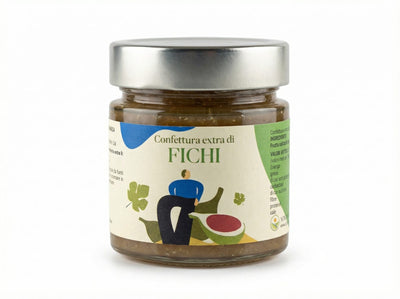
 | From our selection Fig JamHandmade, no preservatives. € 7,90 Discover → |
San Marzano tomatoes are the DOP-certified plum tomatoes from Campania that develop an incomparable aroma, low acidity, and a velvety texture thanks to the volcanic soil. When you set out to work with these tomatoes, you can choose between making sauces, canning for your pantry, or using them straight in classics like Neapolitan pizza and pasta. Each method has its own logic, its own tools, and its own pitfalls. This guide shows you how to process San Marzano tomatoes—whether from a tin or fresh—so their character shines through completely.
Which tools do you need to work with San Marzano tomatoes?
The right equipment determines whether your sauce turns out silky or chunky, whether your jar seals properly, or whether you introduce unwanted bitterness. For most preparations, a modest core set is all you need.
Core kit for every method:
- Sharp chef’s knife and sturdy cutting board
- Kitchen scale for precise salting
- Large stainless-steel or glass bowls
- Food mill (e.g., Rösle or Gefu) for velvety, seed-free sauces
- Stick blender (e.g., Bamix or Braun) for quick work—use with caution
- Twist-off jars or Weck jars with rubber rings
Optional gear for the keen:
- Water-bath canner (e.g., Weck or Rommelsbacher) for steady temperature control
- Flotte Lotte (hand-cranked mill) for large batches
- Kitchen thermometer to monitor canning heat
As for ingredients: extra-virgin olive oil, fresh basil, sea salt, and garlic form the aromatic backbone of any San Marzano sauce. If you want to refine it further, reach for tomato paste for depth, onion for sweetness, and chili for warmth.
| Tool | Use |
|---|---|
| Food mill | Silky sauce with no seeds or skins |
| Stick blender | Quick prep—short pulses only |
| Water-bath canner | Even processing at 90 °C |
| Weck jars | Long-term storage with vacuum check |
| Kitchen scale | Precise salting (1 g per 100 g) |
How do you turn San Marzano tomatoes into pizza sauce?
A classic San Marzano pizza sauce needs no heat, no long simmer, and no complicated techniques. The tomato is already the finished product. Your job is simply to open its texture without destroying its aroma.

There are three trusted ways to break them down: crushing by hand, passing through a mill, or pulsing with a stick blender. Each gives a different texture; choose according to the result you want.
Step-by-step for the classic pizza sauce:
- Open the tin, tip the tomatoes into a large bowl and keep the juice separate.
- Crush the tomatoes by hand until you have a rustic, chunky mass—this gives the sauce character and bite.
- Alternative: run the tomatoes through a food mill. You’ll get a silky, lump-free texture free of skins and seeds.
- If you use a stick blender: two or three short pulses max. Over-blending cracks the seeds and releases bitter compounds that will haunt the sauce.
- Season with salt: 1 g per 100 g tomatoes is the sweet spot. It lifts the tomato’s natural sweetness without overpowering it.
- Let the sauce rest 10–15 minutes so the flavours marry.
- Fold in fresh basil only right before topping the pizza, never earlier.
The sauce is ready to use straight away—no cooking required. That is one of the great virtues of the San Marzano: its flavour is so complete that heat would not improve a pizza sauce; it would only harm it.
Pro tip: For an especially smooth pizza sauce, the food mill is the safest route. A stick blender is faster, but the risk of bitterness is real. When in doubt, mill.
How do you cook San Marzano tomato sauce for pasta and more?
For pasta, eggplant Parmigiana, or shakshuka, the sauce needs more depth than for pizza. This is where slow simmering comes in. A San Marzano tomato sauce gains complexity when it bubbles gently, uncovered, for 30–40 minutes. Water evaporates, aromas concentrate, and the tomato’s natural sugars caramelise lightly.
The base for a classic sauce is:
- 3 tbsp extra-virgin olive oil as the aromatic foundation
- 4 garlic cloves, lightly crushed or finely chopped, depending on intensity
- 2 tbsp tomato paste for extra depth and colour
- Optional: half an onion, finely diced, for natural sweetness
- Optional: a pinch of sugar or a dash of balsamic to balance acidity
- Fresh herbs—basil, oregano, or thyme—only at the end
Heat the olive oil first, sweat the garlic and onion until translucent, then add the tomatoes, stir in the tomato paste, and bring everything to a gentle simmer. Remove the lid, drop the heat, and let the sauce do the work.
Pro tip: Stir regularly to keep tomato pulp from catching on the bottom of the pot. Scorched residue is one of the main causes of bitter notes in tomato sauces. Moderate heat and a heavy cast-iron or stainless-steel pot protect the sauce’s character.
If you like a little heat, drop a dried peperoncino into the oil before the garlic, then fish it out before serving. This gives the sauce warmth without aggressive spice. Always add fresh herbs after cooking—long simmering destroys their essential oils and flattens the flavour.
Which methods are there for canning San Marzano tomatoes?
Canning is the most elegant form of pantry stocking. If you have fresh San Marzano tomatoes from the garden or market in summer, you can lock in their aroma for winter. The tomato is ideal for this: its sweet fruitiness and low acidity make it the perfect canning tomato.
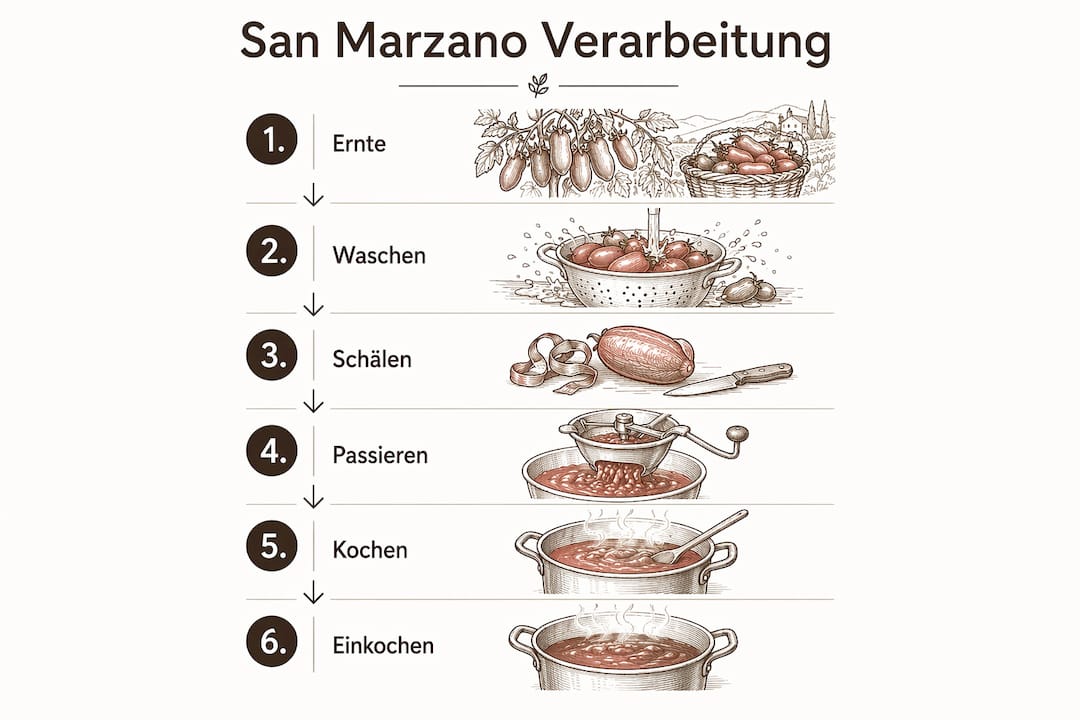
Water-bath canning tomatoes at 90 °C for 30 minutes guarantees a shelf life of 6–12 months, provided the jars are sterile and the vacuum is intact. This is the most reliable method for beginners.
Step-by-step for canning:
- Sterilise jars and lids: 10 minutes in boiling water or 15 minutes in the oven at 120 °C.
- Wash the tomatoes, remove the stem scar, and peel if desired (dip briefly in boiling water, then into ice water).
- Pack the tomatoes whole, halved, or as passata into the jars. Add a teaspoon of sea salt and a fresh basil leaf per jar.
- Seal the jars tightly and place them in the water bath. The water must cover the jars completely.
- Maintain 90 °C for 30 minutes. Do not let it boil, which would destroy texture.
- Lift the jars out, let them cool, and check the vacuum: the lid should be concave and not flex when pressed.
“Canning is not a passive process. It is a quality procedure in which temperature, time, and hygiene must work together. A missing vacuum is not a minor issue—it is a safety risk.”
Sterile jars and vacuum checks are not optional steps; they are mandatory. Skip these controls and you risk spoilage and flavour loss. A canning machine gives you automatic temperature regulation and consistent results across every jar.
How do you recognise genuine San Marzano tomatoes when buying?
Not every tin labelled “San Marzano” contains real San Marzano tomatoes. That is one of the most important truths for anyone who wants to use this tomato consciously. Authentic San Marzano tomatoes with DOP seal come exclusively from Campania and meet strict EU standards. Only the certification procedure approved by the Italian consortium may award the official DOP label.
False certifications are not a fringe phenomenon. A class-action suit was filed against the US producer Cento for marketing tomatoes as San Marzano that did not meet these origin criteria. This shows: the label alone is no proof of quality.
What to look for when buying:
- The DOP seal (Denominazione di Origine Protetta) must be visible on the tin—not just as text, but as the official EU quality mark.
- The origin must explicitly state Campania or the Agro Sarnese-Nocerino area at the foot of Vesuvius.
- Check the consortium’s certification number on the tin. Authentic products carry a traceable batch number.
- Price as an indicator: genuine DOP-certified San Marzano tomatoes cost more than generic tinned tomatoes. If you pay under €2 for a 400 g tin, you are probably not buying real San Marzano tomatoes.
- Look at the contents: real San Marzano tomatoes are elongated, fleshy, and sit in very little liquid. Lots of seeds or a watery consistency are warning signs.
The difference in aroma between real and fake products is noticeable. Real San Marzano tomatoes sing in the sauce; their natural sweetness carries the dish without the need for sugar or corrections.
Key takeaways
Working with San Marzano tomatoes means choosing the right method for the desired result, consistently avoiding bitterness, and checking for genuine DOP certification when buying.
| Point | Details |
|---|---|
| Choose method by goal | Food mill for pizza sauce, long simmer for pasta, water bath for canning. |
| Watch salt dosage | Precisely 1 g salt per 100 g tomatoes lifts natural sweetness without over-seasoning. |
| Avoid bitterness | Use stick blender with only 2–3 short pulses; a food mill is safer. |
| Check DOP seal | Only tomatoes with EU-certified DOP seal from Campania are genuine San Marzano. |
| Canning hygiene | Sterile jars and vacuum checks are mandatory for 6–12 months shelf life. |
What I’ve learned after years with San Marzano tomatoes
It took me a long time to realise that less intervention often means more flavour. My first instinct was always to cook, season, refine. Yet the San Marzano tomato is already so complete in its aroma that for a pizza sauce it literally needs only salt and a rest.
What really surprised me: the difference between a food mill and a stick blender is not just texture—it’s bitterness. I tested both side by side, and after 30 seconds of blending the stick-blender sauce had a noticeable bitter note that no seasoning could fully correct. The food mill takes longer, but the result is consistently clean.
Another tip I never skip: Take fresh tomatoes out of the fridge at least 24 hours before processing. Cold suppresses the tomato’s aromatics significantly. If you cook straight from the fridge, you get a flatter sauce than necessary.
When canning I’ve become very precise—not out of perfectionism, but because I once lost a jar that hadn’t sealed properly. After three months it was no longer edible. Since then I check every lid individually after cooling. It takes two minutes and saves disappointment.
What fascinates me about San Marzano tomatoes: they are versatile enough for antipasti, pasta, pizza, and stews, yet strong enough to stand alone. Once you’ve truly mastered them, you rarely reach for another variety.
— carmine
Minnelea: Aromatic sauces and antipasti from southern Italy

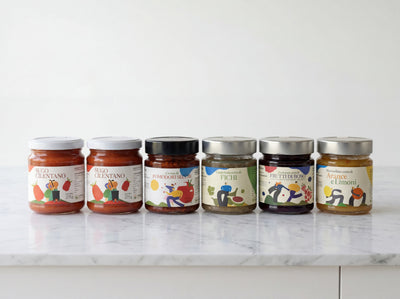
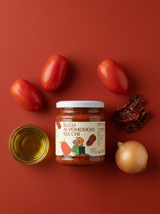
If you love the quality of San Marzano tomatoes but don’t always want to can them yourself, Minnelea offers artisanal alternatives from Cilento in southern Italy. Our Cilento tomato sauce is cooked in small batches following traditional recipes, with selected ingredients and no compromises on flavour. For those who like it spicier, discover our spicy tomato sauce with chilli, bringing Mediterranean warmth to any pasta. Complete your dish with our sun-dried tomatoes in extra-virgin olive oil from Cilento for a full southern-Italian flavour experience. All products are ideal as gifts or for your own pantry.
FAQ
What makes San Marzano tomatoes special for sauces?
San Marzano tomatoes have low acidity, plenty of flesh, and a natural sweetness drawn from Campania’s volcanic soil. These qualities make them the ideal base for pizza and pasta sauces without the need for added sugar.
How long can you store canned San Marzano tomatoes?
With proper preparation—sterile jars and an intact vacuum—canned tomatoes keep for 6–12 months. Store cool, dark, and dry, and check the vacuum before every use.
Do you need to cook San Marzano tomatoes for pizza sauce?
No. A classic Neapolitan pizza sauce made from San Marzano tomatoes is not cooked. Simply crush, salt, rest, and fold in fresh basil.
How do I recognise genuine San Marzano tomatoes in a tin?
The official EU DOP seal, an explicit Campania origin, and a traceable consortium certification number are the most reliable markers. If any of these are missing, proceed with caution.
Why does my tomato sauce taste bitter?
Bitterness usually comes from cracked seeds during blending, scorched tomato pulp on the pan bottom, or cooked skins. Use a food mill instead of a stick blender, moderate heat, and regular stirring to solve the problem reliably.
Recommendations
- Cilento Sun-Dried Tomatoes in EVOO 200g · Minnelea – Azienda Agricola Minnelea
- Cilento Peppers in EVOO · Mediterranean Antipasto · Minnelea – Azienda Agricola Minnelea
- Sun-Dried Tomato Pâté 200g · Cilento Artisan · Minnelea – Azienda Agricola Minnelea
- Cilento Tomato Sauce · Traditional Recipe · Minnelea – Azienda Agricola Minnelea